
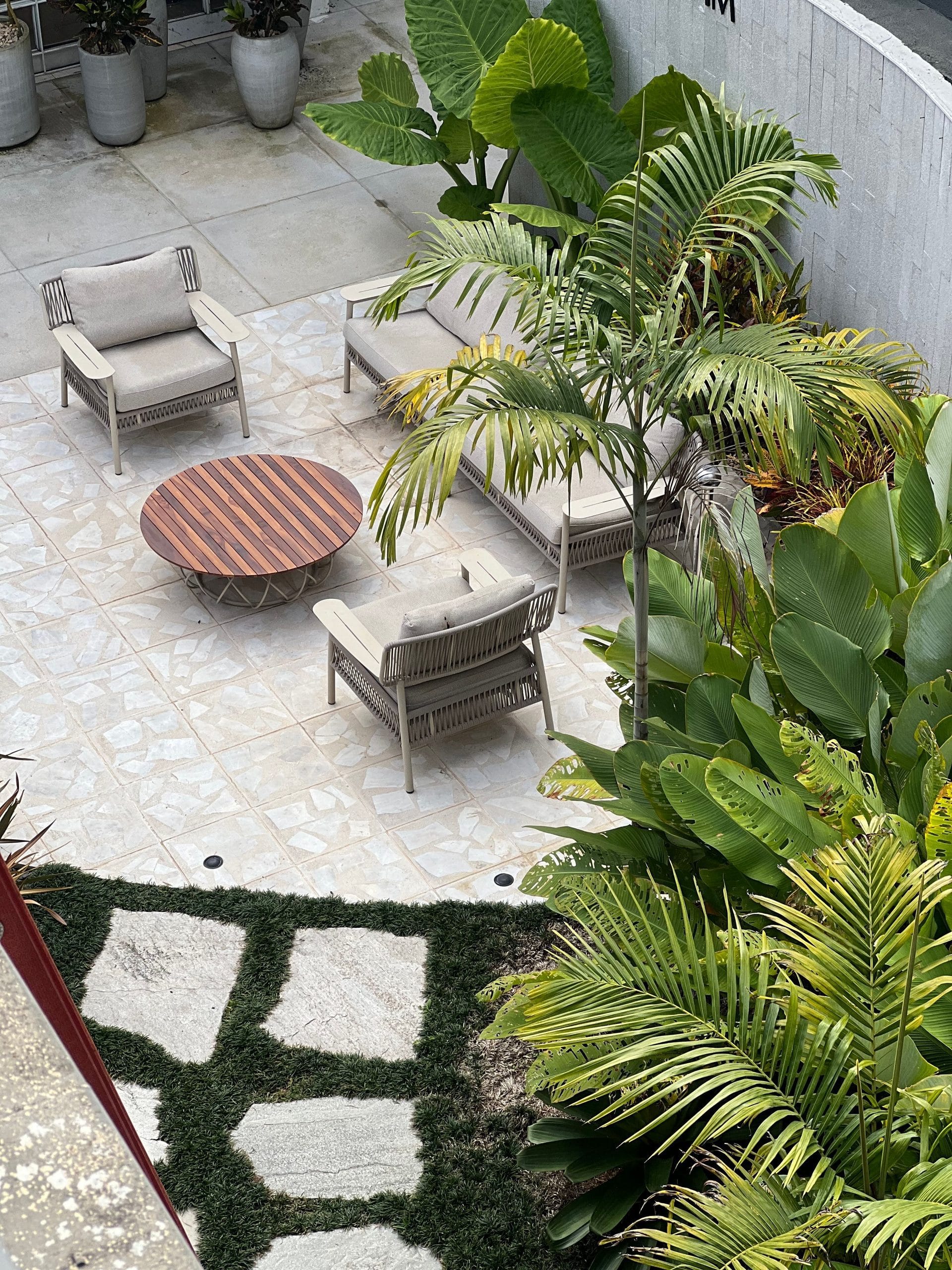
The easiest way to make a tiny patio feel bigger is to keep the floor open, choose compact furniture, use light colors, and take advantage of vertical space. These small patio ideas can make a limited outdoor area feel more comfortable and useful without adding more furniture than the space can handle. Focus on creating one clear purpose for the patio and choose pieces that support it while leaving enough room to move around comfortably.
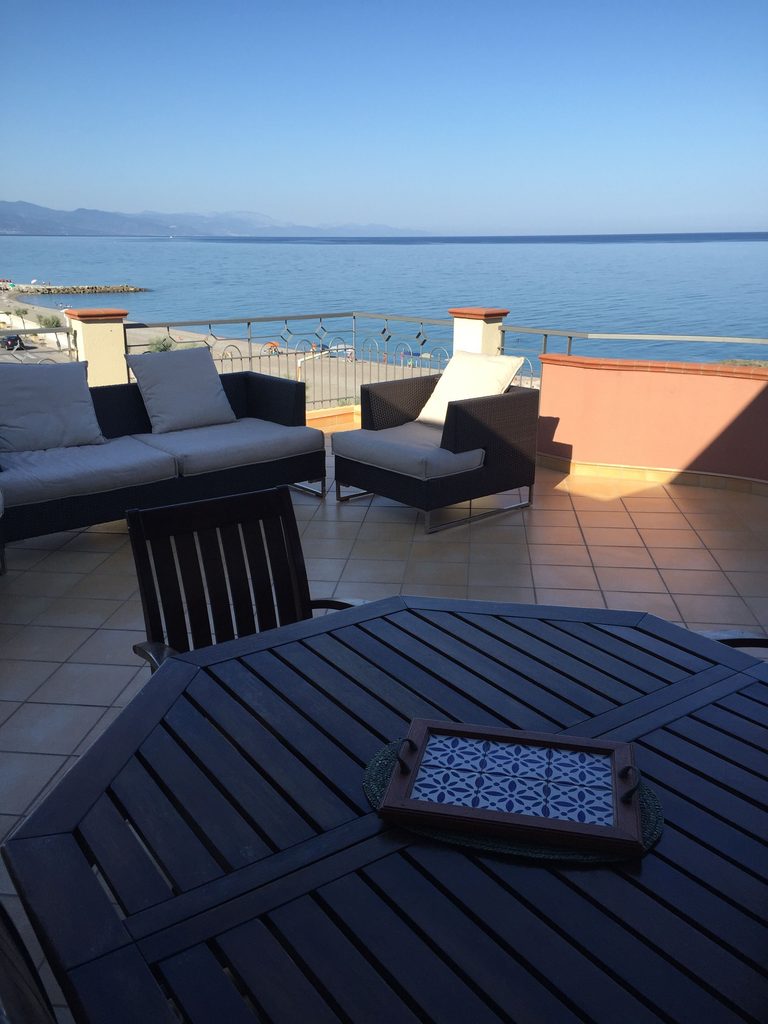
A small patio does not need to feel empty to appear spacious. The right furniture proportions, simple color palette, layered lighting, and carefully placed plants can create depth without taking up much space. The goal is to make the patio feel open while still giving you somewhere comfortable to sit, eat, relax, or entertain.
Choose Compact Furniture
Furniture size has a major effect on how large a small patio feels. Instead of a large sectional, choose a compact loveseat, two slim chairs, or a small bistro set that provides enough seating without overwhelming the floor. Furniture with raised legs can also create more visible floor space, making the patio feel lighter. Measure the available area before buying anything and leave comfortable paths around the furniture so the patio remains easy to use.
Keep the Floor Open
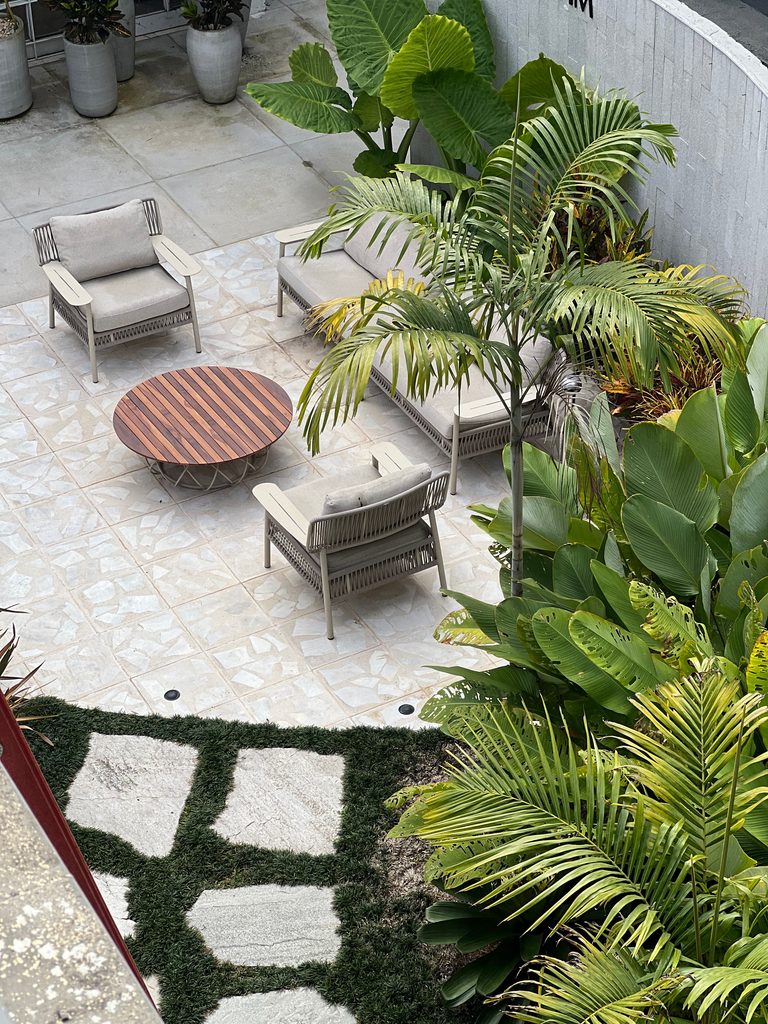
Open floor space can make a tiny patio feel noticeably larger. Avoid filling every corner with plant pots, tables, storage boxes, and decorative pieces because visual clutter reduces the sense of space. Keep the main walking path clear and choose furniture that can sit close to the edges when appropriate. A simple arrangement with fewer pieces often feels much more spacious than a patio packed with furniture that serves the same purpose.
Pro Tip
Before buying anything new, remove one piece of patio furniture and see how much easier the space feels to move through. Open floor space can make a bigger difference than adding another seating piece.
Use Light Colors
Light colors can help a small patio feel brighter and more open, especially when the area receives limited sunlight. Cream, warm white, beige, light gray, and soft natural wood can reflect available light and create a calmer backdrop. Use darker colors as smaller accents through cushions, planters, or outdoor accessories rather than making every large surface dark. A consistent palette also prevents the small space from looking visually fragmented.
Take Plants Upward
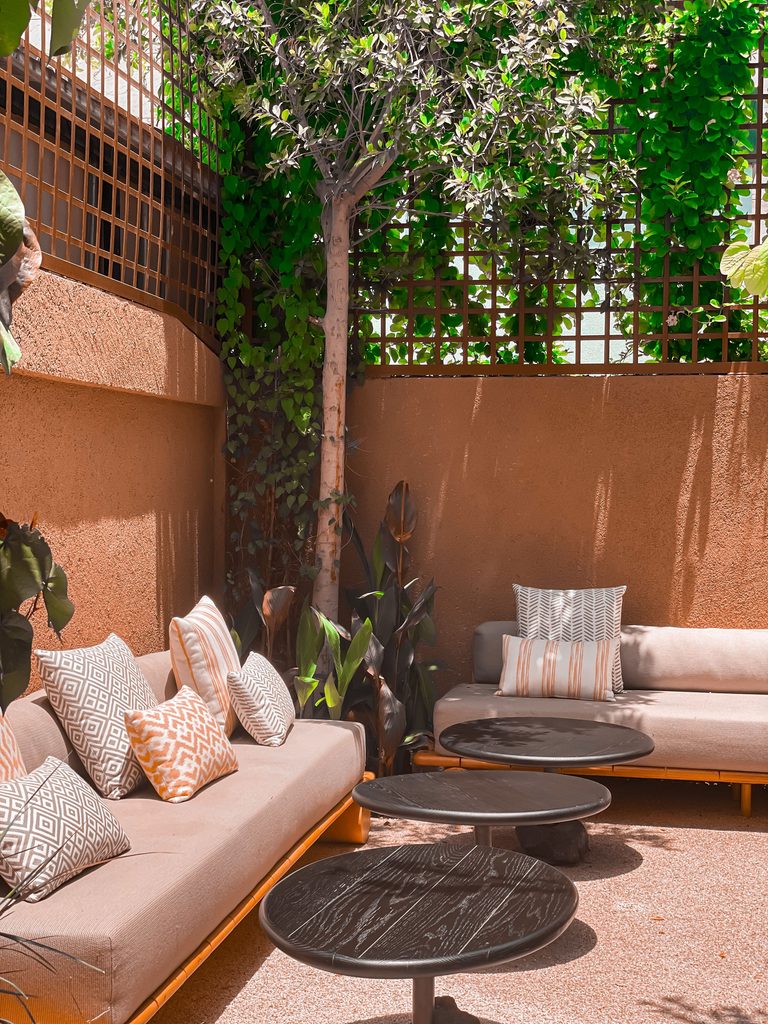
Plants are a great addition to a small patio, but large pots can quickly take over the floor. Use hanging planters, wall mounted planters, vertical garden panels, railing planters, or tall narrow containers to bring greenery upward instead. This adds natural color and texture while keeping the main floor open. Choose plants according to your sunlight and climate so the display remains healthy and easy to maintain.
Use a Small Outdoor Rug
A properly sized outdoor rug can define the seating area and make the patio feel more like an intentional outdoor room. Choose a rug that fits comfortably beneath the main furniture without covering nearly the entire floor. Subtle patterns can add interest, while neutral colors help maintain an open appearance. The rug should connect the seating visually while leaving some visible flooring around the edges.
Quick Fix
If the patio feels visually crowded, choose one simple rug and remove smaller mats or scattered decorative pieces. A single defined area can make the space feel more cohesive.
Choose Furniture With More Than One Purpose
Multifunctional furniture is especially useful when the patio is small. A storage bench can provide seating while keeping cushions hidden, while a compact ottoman can work as a footrest, extra seat, or small table when paired with a tray. Folding chairs and nesting tables can also be moved or stored when you need more open floor space. Choosing flexible furniture means the same small area can serve several purposes without requiring several separate pieces.
Add a Mirror or Reflective Surface
A weather appropriate mirror or another reflective surface can create the impression of additional depth on a small patio. Position it where it reflects plants, light, or another attractive part of the outdoor space rather than a cluttered area. A framed mirror can also become a decorative feature on a blank wall while helping bounce available light around the patio. Choose materials designed for outdoor use or place the mirror where it is protected from harsh weather.
Use Vertical Lighting
Lighting can create a sense of height and depth without taking up floor space. String lights overhead, wall mounted lanterns, hanging lights, and narrow sconces can illuminate the patio while keeping the ground clear. Warm lighting can also make the area feel more inviting in the evening without requiring bulky lamps or large fixtures. Hanging lights slightly higher can draw the eye upward and emphasize the vertical space around the patio.
Time Saver
Take a photo of the patio from the entrance and from the seating position. Looking at the space in a photo can make overcrowded corners and unused vertical areas much easier to notice.
Keep the Décor Simple
Small patios benefit from restraint because every object has a visual impact. Choose a few pieces that add comfort or personality, such as cushions, one plant display, a lantern, or a small decorative object. Avoid scattering many tiny accessories across tables, shelves, and the floor because they can make the space look fragmented. A simple arrangement with a few larger elements usually creates a stronger sense of openness.
Frequently Asked Questions
How can I make a very small patio look bigger?
Use compact furniture, keep the floor open, choose lighter colors, add vertical plants, and use wall or overhead lighting. A limited color palette also helps the space feel more connected.
What furniture is best for a tiny patio?
Compact loveseats, slim chairs, bistro sets, folding furniture, benches, nesting tables, and multifunctional pieces can all work well. Choose according to the actual dimensions of the patio.
Should I put a rug on a small patio?
Yes. A properly sized outdoor rug can define the seating area and make the patio feel more intentional. Choose a size that leaves some visible flooring around the edges.
How do I add plants without taking up space?
Use hanging planters, railing planters, vertical gardens, wall mounted planters, and tall narrow containers. These options bring greenery upward instead of using valuable floor space.
What colors make a small patio feel larger?
Cream, warm white, beige, light gray, pale wood, and other lighter natural shades can help reflect light and create a more open appearance.
Bottom Line
The best small patio ideas make the space feel bigger by protecting open floor area and using the walls and overhead space more effectively. Compact furniture, light colors, vertical plants, multifunctional pieces, a properly sized rug, reflective surfaces, and layered lighting can all add comfort without making the patio feel crowded.
Start with the furniture and layout before adding decorative pieces. When every item has a clear purpose and the floor remains easy to move through, even a tiny patio can feel comfortable, useful, and surprisingly spacious.