
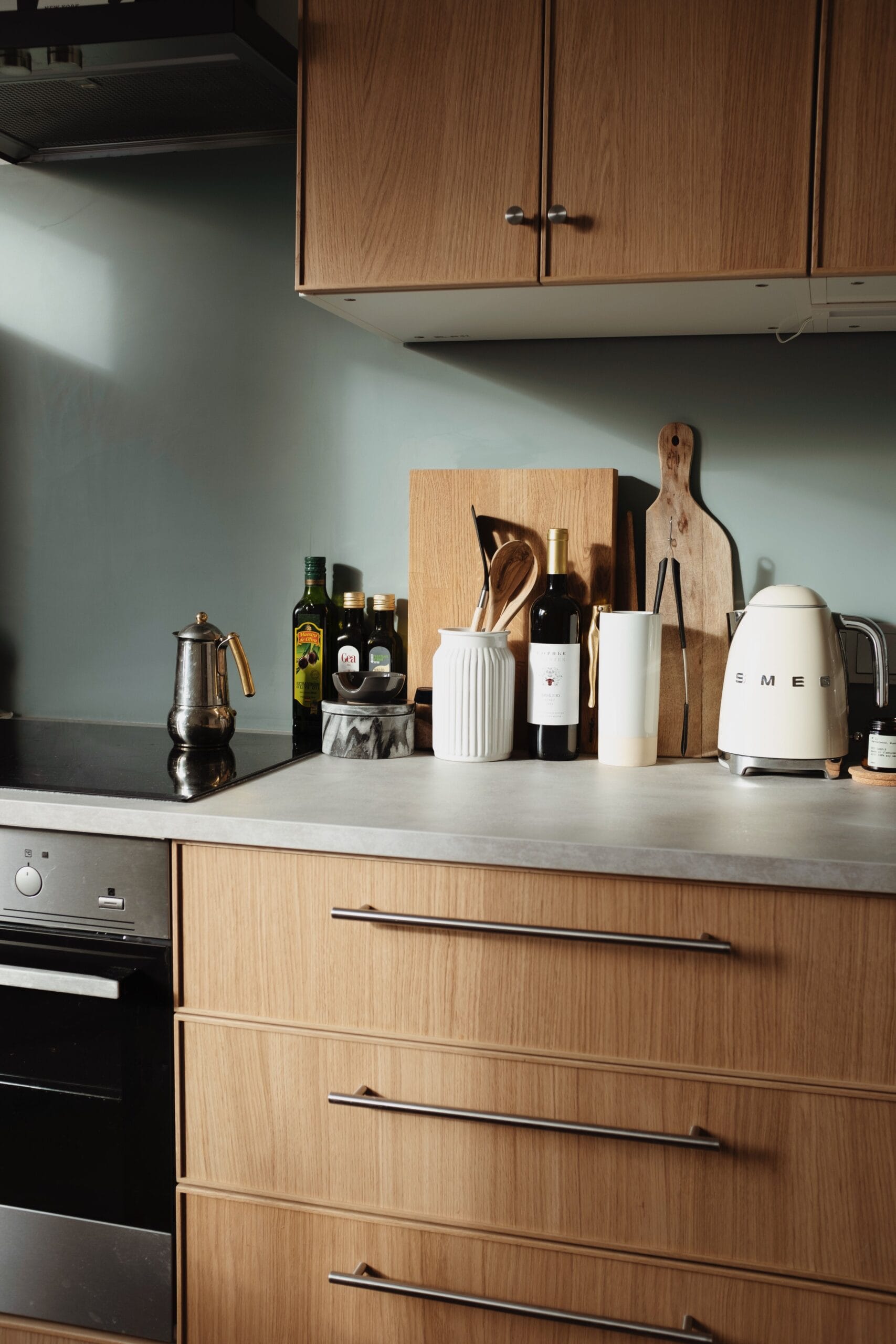
A cluttered kitchen is not always caused by a lack of storage. In many cases, the problem comes from everyday items that slowly take over the room until countertops disappear and cabinets feel overcrowded. Even a kitchen that is cleaned regularly can feel messy when too many things compete for attention. The result is a space that feels smaller, harder to use, and more stressful than it needs to be.
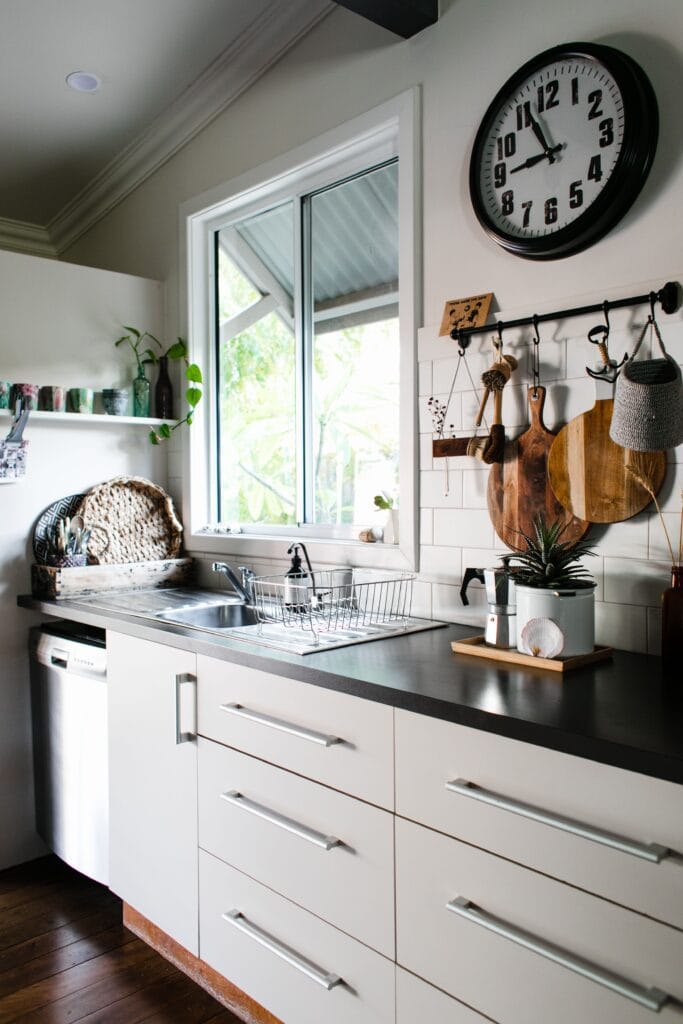
The good news is that most kitchen clutter can be reduced without buying expensive organizers or remodeling the space. Often, the biggest improvements come from identifying what does not need to be visible in the first place. Once visual clutter is reduced, the kitchen immediately feels more open, more functional, and much easier to maintain.
Too Many Small Appliances on the Counter
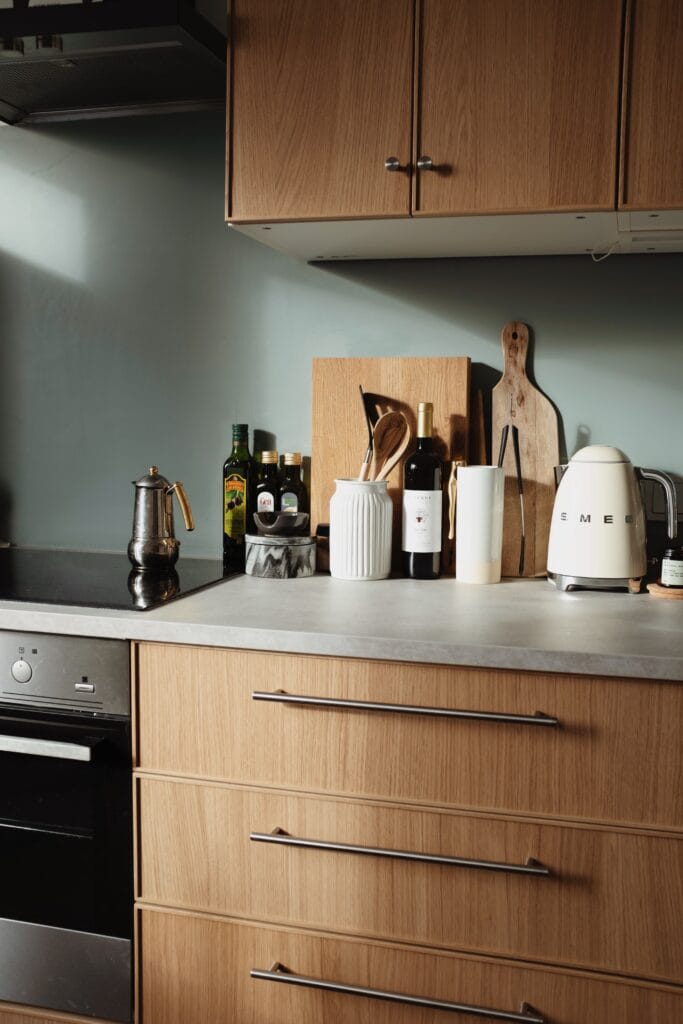
Small appliances are one of the most common reasons kitchens feel crowded. Coffee makers, air fryers, blenders, stand mixers, toaster ovens, electric kettles, and slow cookers all take up valuable counter space when left out permanently. While some appliances deserve a convenient spot because they are used daily, many remain on display simply because there is nowhere else for them to go. When every appliance is visible, the kitchen starts to feel more like a storage room than a workspace. Storing occasional use appliances in cabinets, a pantry, or another storage area can instantly free up counter space and make the room feel larger.
Pro Tip
Keep only the appliances you use several times each week on the counter. Everything else can be stored until needed.
Mail, Paperwork, and Household Items
Mail, Paperwork, and Household Items
Many kitchens become accidental collection points for things that have nothing to do with cooking. Mail lands on the counter after work, receipts pile up beside the refrigerator, and school papers gradually spread across surfaces intended for food preparation. Because these items arrive a little at a time, the clutter often goes unnoticed until it becomes overwhelming. Creating a dedicated location elsewhere in the home for paperwork prevents these piles from taking over the kitchen and helps the room stay focused on its primary purpose.
Decorative Items Covering Every Surface
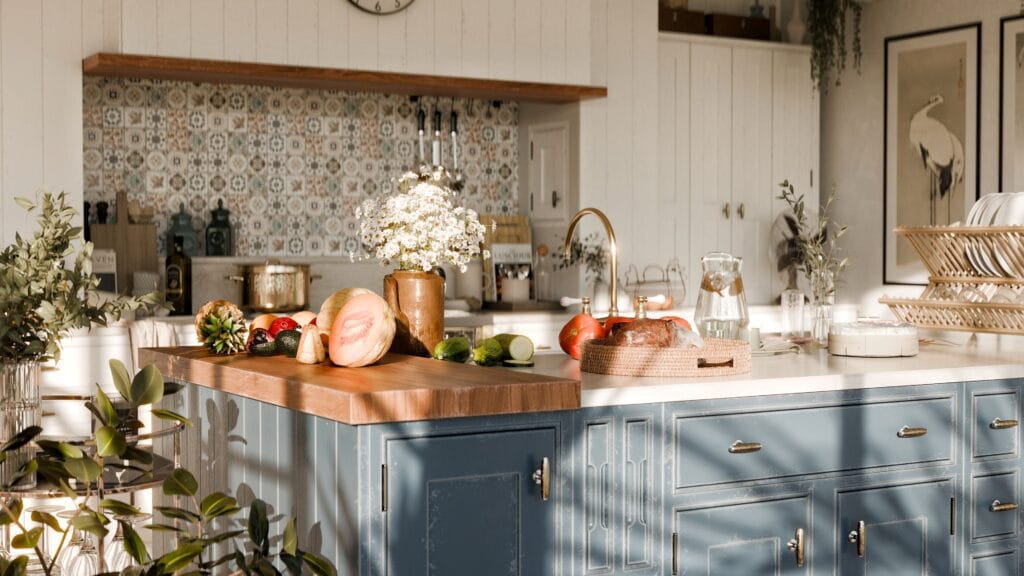
Decorative pieces can add personality to a kitchen, but too much decor often creates the opposite effect. Signs, artificial plants, candles, decorative trays, figurines, and seasonal decorations can gradually fill every available surface. When there are too many visual elements competing for attention, the kitchen starts to feel busy even if everything is neatly arranged. A few meaningful decorative pieces usually create a stronger impression than dozens of smaller objects scattered throughout the room.
Refrigerator Doors Filled With Magnets and Papers
The refrigerator is often one of the largest objects in a kitchen, which means anything attached to it becomes highly visible. Magnets, coupons, appointment reminders, takeout menus, shopping lists, and children’s artwork can quickly cover the surface and create visual noise throughout the room. While some items deserve a place on display, periodically removing outdated papers and reducing the number of visible items can make the kitchen look noticeably cleaner without changing anything else.
Countertops Being Used as Storage
Kitchen counters are designed for preparing meals, but many households use them as permanent storage areas. Water bottles, vitamins, grocery bags, fruit bowls, snack containers, paper towels, and random household items often occupy space that should remain open for everyday tasks. The more items stored on the counter, the smaller the kitchen feels. Keeping only true essentials visible creates a cleaner appearance and provides more room for cooking, baking, and meal preparation.
Pro Tip
When shelves become packed with items, the eye has nowhere to rest and the room starts to feel visually overwhelming. Leaving some empty space between objects creates a more balanced appearance and allows the items that remain on display to stand out.
Cleaning Supplies Taking Over the Sink Area
The sink area is one of the easiest places for clutter to accumulate. Multiple soap bottles, scrub brushes, sponges, cleaning sprays, and dish cloths often end up scattered around the sink because they are used regularly. While these items are necessary, they can still create visual clutter when there are too many of them. Keeping only the essentials visible and grouping them in a small container or tray helps the sink area feel more organized and easier to clean.
Chairs Becoming Storage Spaces
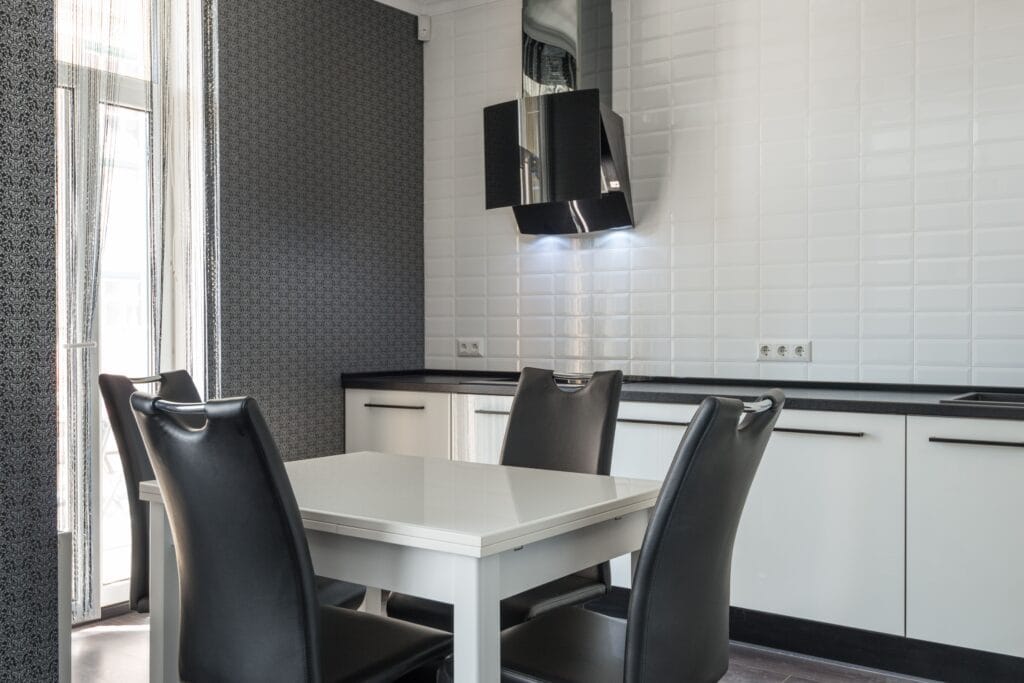
Kitchen chairs frequently become temporary storage for jackets, bags, packages, and shopping totes. What starts as a convenient place to set something down often turns into a permanent habit that makes the room look untidy. When chairs are covered with belongings, the kitchen feels less welcoming and less functional. Creating a dedicated drop zone near an entryway helps keep these items from migrating into the kitchen in the first place.
Keeping Things You Never Use
Many kitchens contain drawers, cabinets, and shelves filled with gadgets that rarely see the light of day. Specialty tools, duplicate utensils, old containers, and forgotten appliances take up valuable space while contributing very little to daily life. Although these items may be hidden behind cabinet doors, overcrowded storage often leads to more clutter elsewhere because it becomes harder to put things away properly. Regularly reviewing what you actually use can free up space and make the entire kitchen easier to organize.
You can also read our guide on kitchen counter organization by zone if you want a practical system for keeping counters clear and creating a more efficient kitchen layout.
Frequently Asked Questions
Why does my kitchen look cluttered even when it is clean?
A kitchen can look cluttered because of visual noise rather than dirt. Too many appliances, decorative items, papers, and countertop accessories can make the room feel crowded despite being clean.
What is the fastest way to make a cluttered kitchen look better?
Clearing countertops is usually the quickest improvement. Removing unnecessary items instantly creates more visual space and makes the room feel more organized.
Should kitchen counters be completely empty?
Not necessarily. Frequently used items can remain accessible, but leaving as much open workspace as possible generally makes the kitchen feel larger and easier to use.
How often should I declutter my kitchen?
A quick review every few months is enough for most households. Regularly removing unused items prevents clutter from slowly building up again.
Bottom Line
A cluttered kitchen is often the result of small habits that develop over time rather than a major storage problem. Excess appliances, paperwork, overcrowded shelves, decorative overload, and countertop storage can all contribute to a kitchen that feels busy and disorganized.
The goal is not to remove everything from the room. It is to make sure the items that remain have a purpose and a place. When unnecessary clutter is reduced, the kitchen becomes easier to use, easier to clean, and much more enjoyable to spend time in.