

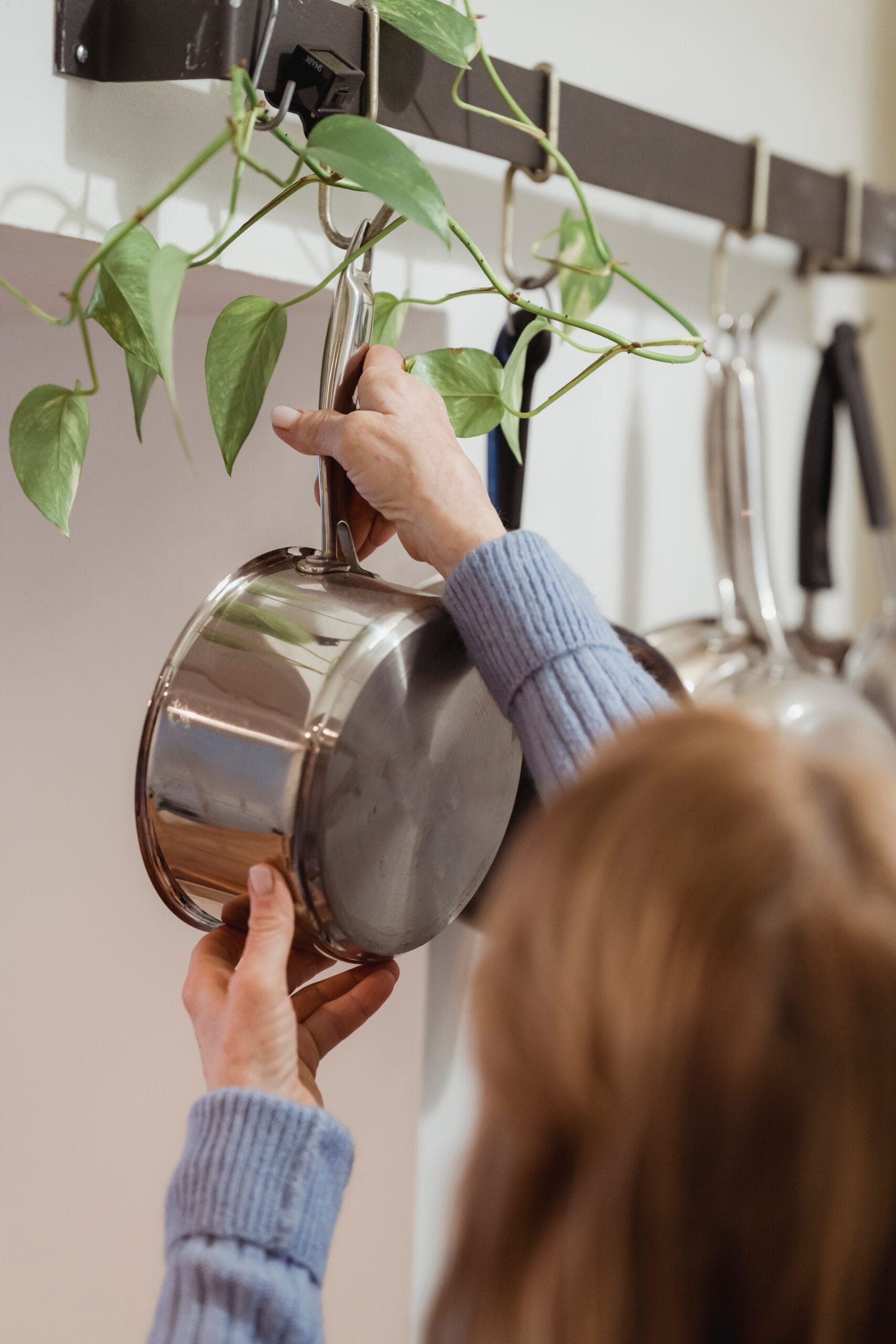
Store kitchen appliances properly and even a small kitchen can feel more organized, functional, and easier to use. One of the biggest challenges in compact kitchens is finding space for bulky appliances without sacrificing valuable counter space. Coffee makers, air fryers, blenders, stand mixers, slow cookers, and toaster ovens all serve a purpose, but keeping every appliance visible can quickly make the room feel crowded.
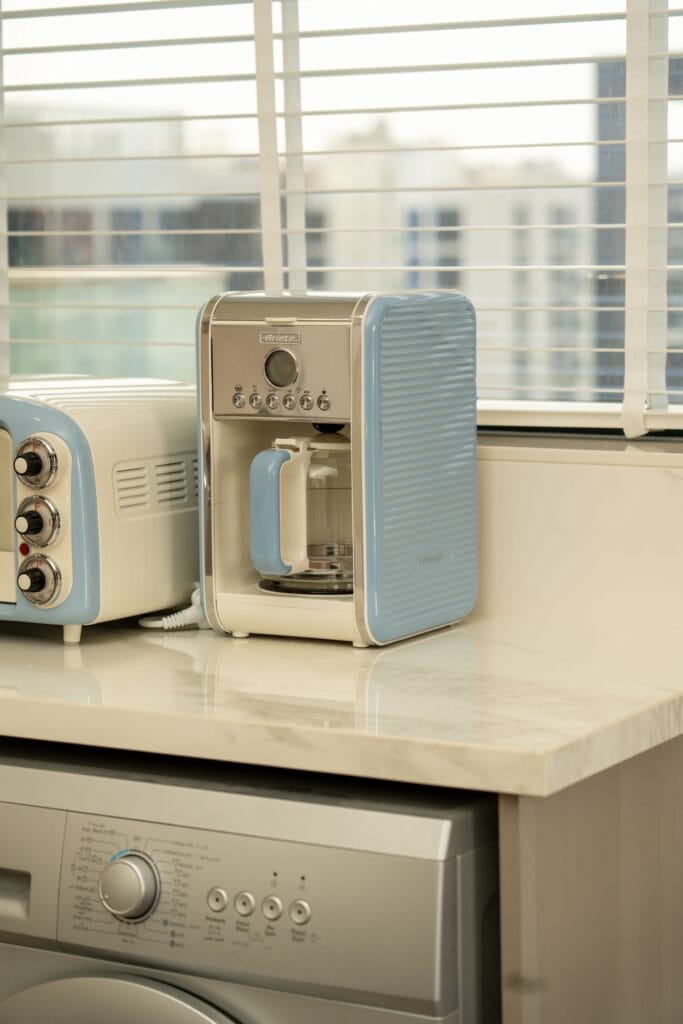
The good news is that most small kitchens have more storage potential than they appear to have at first glance. The key is deciding which appliances deserve a permanent spot and which ones can be stored until they are needed. With a few smart adjustments, it becomes much easier to keep appliances accessible without letting them take over the kitchen.
Keep Daily Use Appliances Accessible
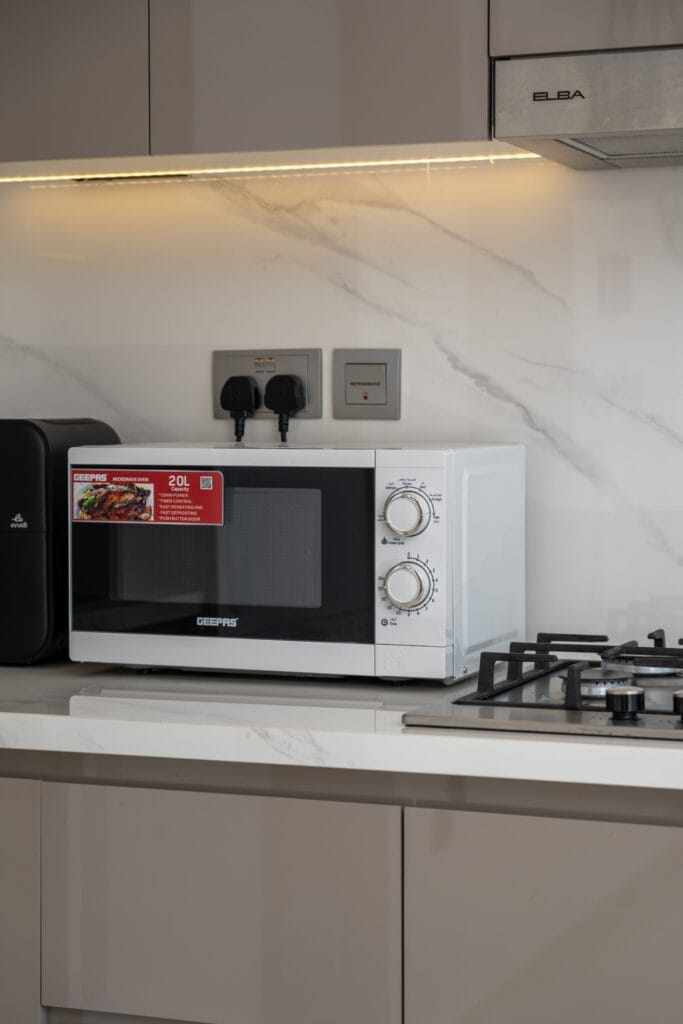
Not every appliance should be hidden away. Items used every day, such as a coffee maker or electric kettle, deserve convenient locations because constantly moving them in and out of storage becomes frustrating. The goal is to identify which appliances genuinely support your daily routine and reserve the most accessible spaces for them. By limiting visible appliances to a small number of essentials, the kitchen feels cleaner while remaining practical for everyday use.
Store Occasional Use Appliances in Cabinets
Many kitchens dedicate valuable counter space to appliances that are only used once or twice a month. Waffle makers, slow cookers, specialty blenders, and food processors often fall into this category. These items can usually be stored inside lower cabinets where they remain accessible without contributing to visual clutter. Keeping occasional use appliances out of sight creates more room for food preparation and helps the kitchen feel less crowded.
Pro Tip
If you have not used an appliance in the last month, consider moving it off the counter and into a cabinet to free up valuable workspace.
Use the Space Above Cabinets
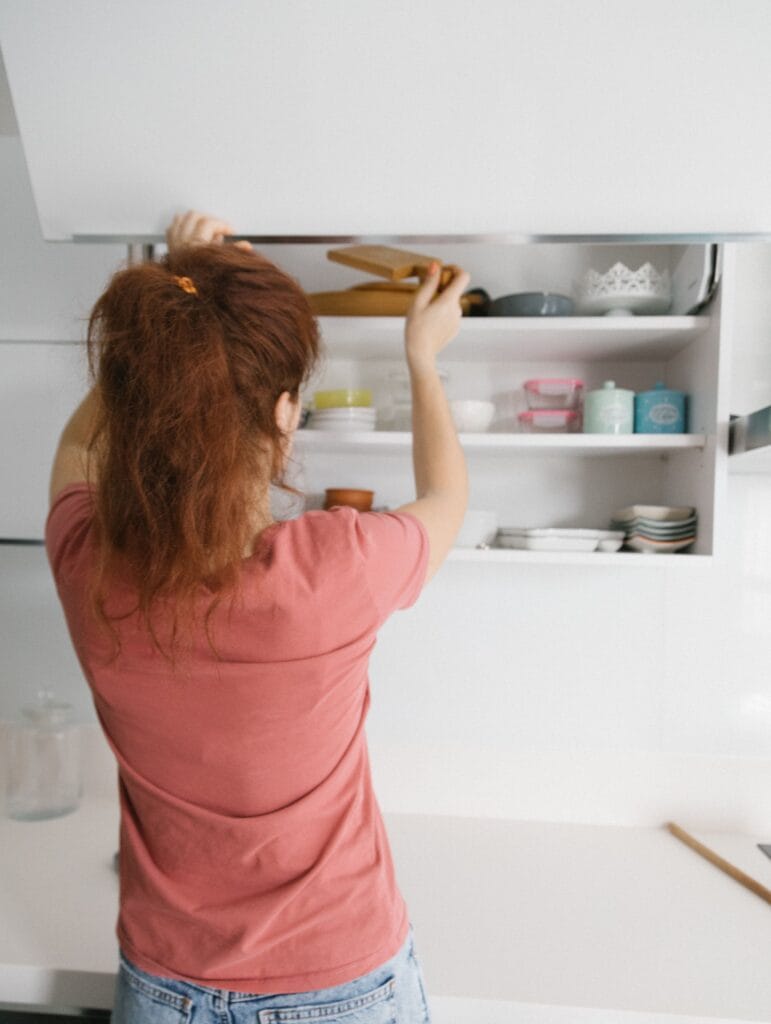
The area above kitchen cabinets is often overlooked, especially in smaller kitchens where every inch matters. While this space may not be ideal for daily use items, it can work well for appliances used only a few times each year. Holiday baking equipment, specialty appliances, and seasonal kitchen tools can be stored in labeled containers above cabinets to keep them out of the way while still accessible when needed.
Create an Appliance Cabinet
If cabinet space allows, dedicating one cabinet entirely to appliances can make the kitchen much easier to organize. Instead of scattering appliances throughout different storage areas, keeping them together creates a simple system that is easy to maintain. Organizing appliances by size and frequency of use helps maximize the available space and prevents larger items from becoming difficult to access.
Make Use of Deep Lower Cabinets
Lower cabinets are often the best place to store heavier appliances because they eliminate the need to lift bulky items overhead. Stand mixers, air fryers, and slow cookers are generally safer and easier to access when stored below the countertop. Pull out shelves can make these spaces even more functional by bringing appliances forward rather than forcing you to reach into the back of the cabinet.
Store Appliances Based on Zones
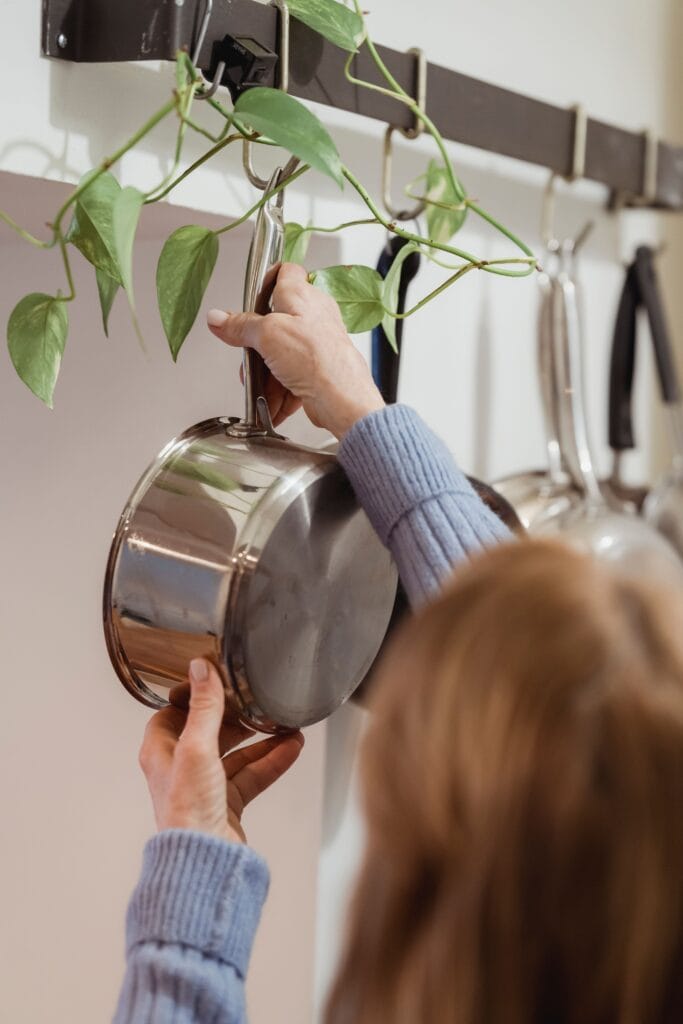
One of the most effective kitchen organization methods is storing items near where they are used. Coffee related appliances can stay together in a beverage area, baking appliances can be grouped near baking supplies, and food preparation appliances can remain close to the primary workspace. This approach reduces unnecessary movement around the kitchen and makes daily tasks more efficient.
Budget Option
Use inexpensive plastic bins or baskets inside cabinets to group appliance accessories, cords, and attachments together so nothing gets lost.
Remove Appliances You Never Use
Small kitchens have limited storage, which means every appliance should earn its place. Many households keep appliances that have not been used in years simply because they were expensive or seemed useful at one point. These items consume valuable storage space that could be used more effectively elsewhere. Reviewing your appliances every few months helps identify what should stay and what can be donated, sold, or stored outside the kitchen.
Use Pantry Shelves for Smaller Appliances
If your kitchen includes a pantry, some shelves can serve as appliance storage. Smaller appliances such as blenders, rice cookers, hand mixers, and food processors often fit comfortably on pantry shelves while remaining easy to access. This approach keeps cabinets available for cookware and dishes while reducing countertop clutter.
Avoid Storing Appliances on Every Available Surface
When storage becomes challenging, it is tempting to place appliances on top of the refrigerator, dining tables, carts, or other available surfaces. While this may solve a short term problem, it often creates more visual clutter throughout the kitchen. Keeping appliances contained within dedicated storage areas helps maintain a cleaner appearance and prevents the room from feeling overcrowded.
You can also read our guide on kitchen storage mistakes you need to avoid for additional ways to make the most of limited kitchen space.
Frequently Asked Questions
Where should I store appliances in a small kitchen?
Store daily use appliances in convenient locations and keep occasional use appliances inside cabinets, pantries, or designated storage areas.
Which appliances should stay on the counter?
Only appliances used regularly should remain on the counter. Everything else can usually be stored to create more workspace.
How do I store heavy kitchen appliances?
Heavy appliances are best stored in lower cabinets where they can be accessed safely without lifting them overhead.
What should I do with appliances I never use?
Consider donating, selling, or relocating appliances that no longer serve a purpose. Keeping unused items takes up valuable storage space in a small kitchen.
Bottom Line
Learning how to store kitchen appliances in a small kitchen starts with deciding what truly needs to be accessible every day. Limiting visible appliances, using cabinets strategically, and creating dedicated storage zones can free up valuable counter space while making the kitchen feel more organized.
A small kitchen does not need to hold fewer appliances. It simply needs a storage system that keeps them available without letting them dominate the room. When every appliance has a designated place, the entire kitchen becomes easier to use and maintain.