

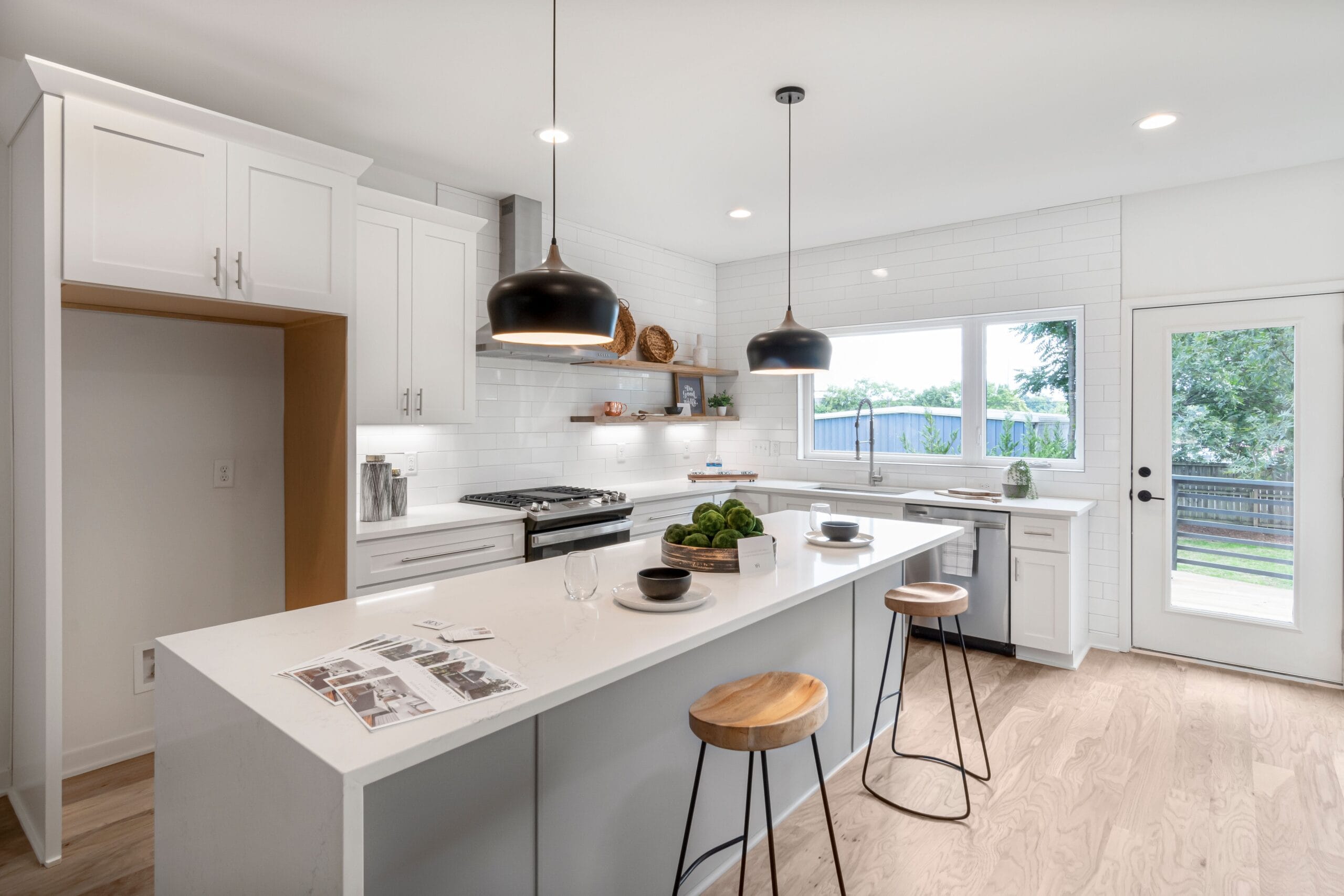
The easiest way to organize a kitchen island is to give each drawer, cabinet, and countertop section a specific job based on how you use the kitchen. When learning how to organize a kitchen island, keep frequently used items close to where you prep and cook, use drawers for smaller tools, reserve cabinets for larger items, and keep the countertop limited to things you actually use regularly. This makes the island easier to use while preventing it from becoming a dumping ground.
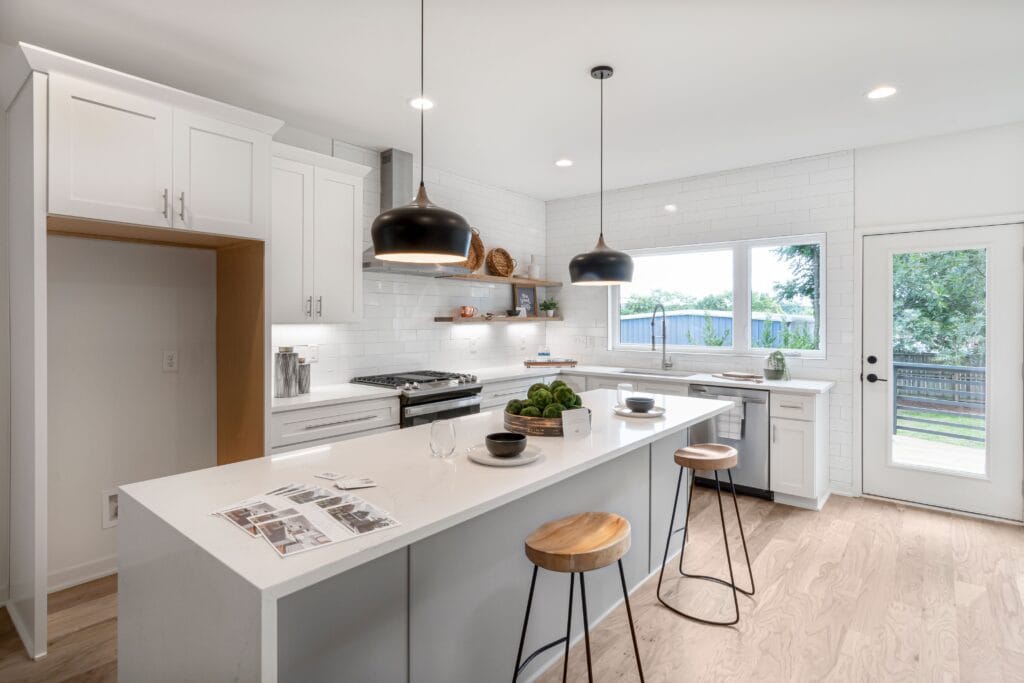
A kitchen island can provide valuable storage, preparation space, seating, and a place for everyday activities. The problem starts when all of those functions become mixed together. A simple system can help the island support your routine while keeping it visually clean and easy to maintain.
Give Each Drawer a Purpose
Start by assigning every island drawer a specific function instead of putting unrelated items wherever there is available space. One drawer can hold cooking utensils, another can store measuring tools, and another can keep kitchen linens or smaller accessories. Group similar items together and keep the things you use most often in the easiest drawers to reach. Clear categories make it much easier to find what you need and make putting things away almost automatic.
Pro Tip
Label the purpose of each drawer mentally before filling it. If you cannot explain what belongs in a drawer in one simple phrase, the category is probably too broad.
Store Prep Tools Near the Work Area
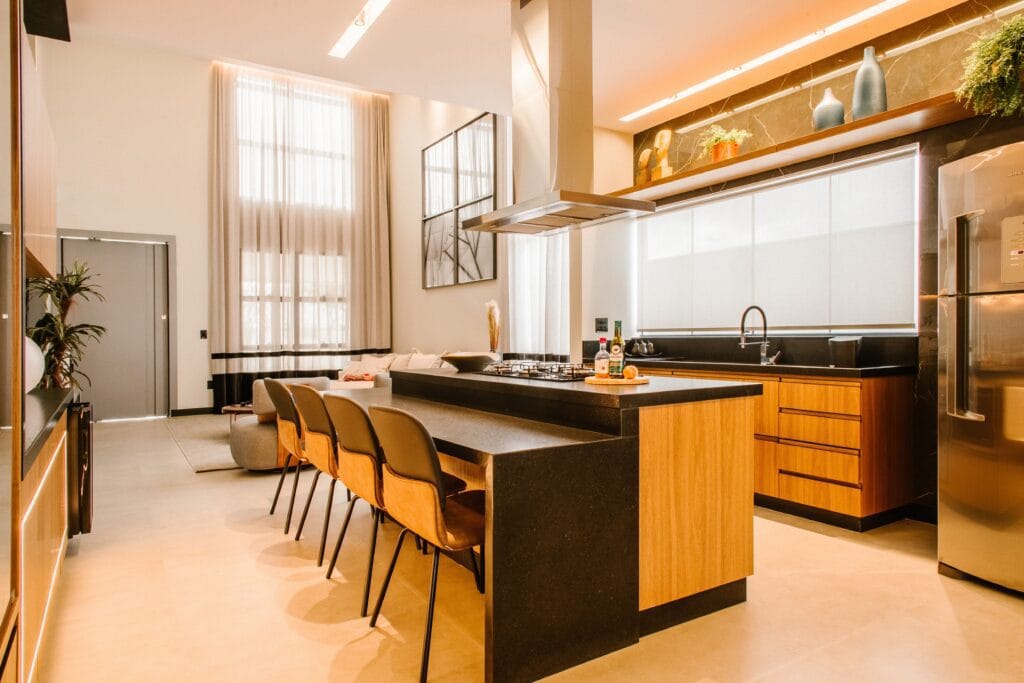
If you regularly use the island for chopping, mixing, or assembling meals, keep your preparation tools nearby. Cutting boards, mixing bowls, measuring cups, peelers, graters, and food preparation utensils can be stored in the island drawers or cabinets closest to your main work surface. This reduces movement around the kitchen and makes the island function more efficiently as a preparation station. Choose storage that allows larger items to stand upright or stack neatly without making them difficult to remove.
Keep Cooking Tools Close to the Stove
When the island sits near the cooking area, it can be a useful place for frequently used cooking tools. Store spatulas, tongs, wooden spoons, ladles, and other essentials in a nearby drawer or container so they are easy to grab while cooking. Avoid storing every cooking gadget in the island simply because there is space. Keep the tools you actually reach for regularly close by and move specialty items into less convenient storage.
Use Deep Cabinets for Larger Items
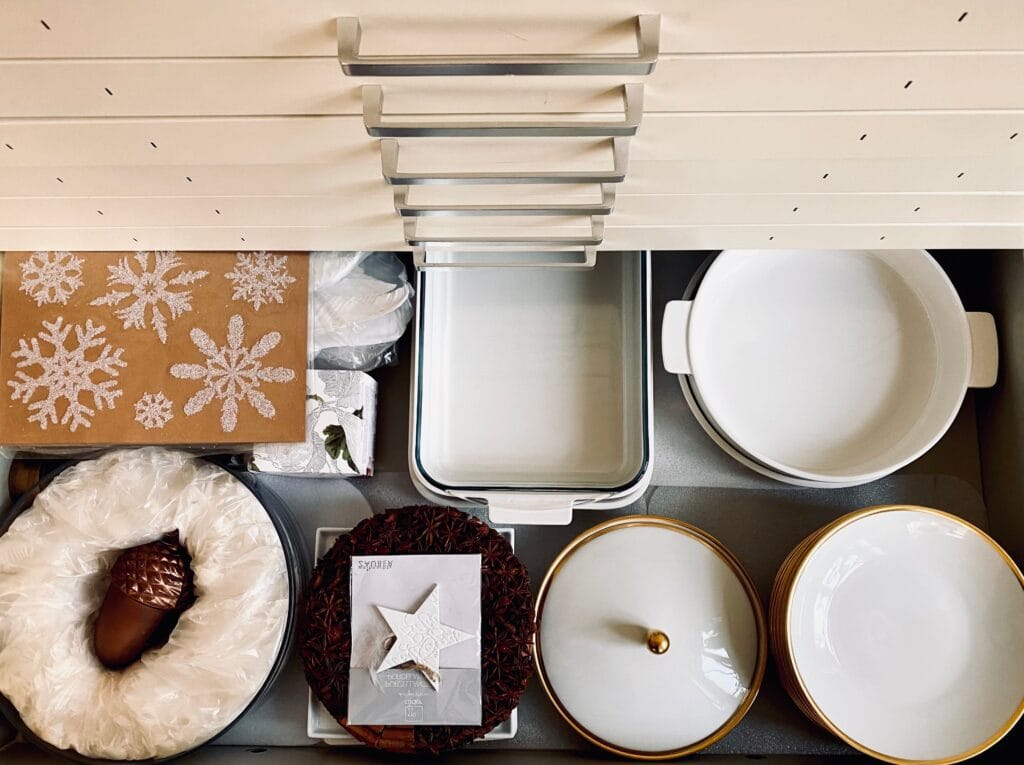
Kitchen islands often have deeper cabinets that are useful for bulky cookware and serving pieces. Use these spaces for pots, pans, baking dishes, appliances, and other larger items that do not fit comfortably in standard drawers. Stack pieces carefully and use shelf risers or pull out organizers when necessary so the back of the cabinet does not become difficult to reach. Keeping heavier items on lower shelves can also make them easier to access.
Quick Fix
Take everything out of one deep island cabinet and group the contents by size. You may discover that reorganizing the same space creates more usable storage without buying anything new.
Keep the Countertop Mostly Clear
The island countertop should remain primarily a work surface rather than becoming permanent storage. Keep only a few items that you use every day, such as a cutting board, fruit bowl, or frequently used appliance, and move everything else into designated storage. Clear workspace makes food preparation easier and helps the entire kitchen look more organized. If several appliances are permanently sitting on the island, consider whether they could be moved to a cabinet or appliance storage area.
Create a Baking Zone
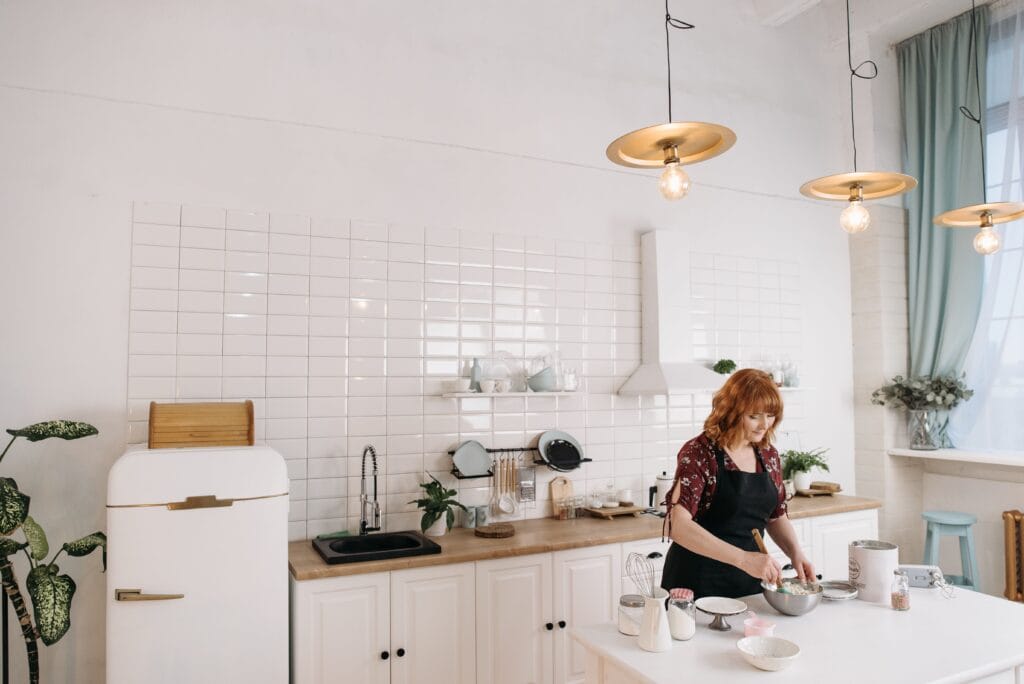
A kitchen island can work well as a dedicated baking area when the storage supports it. Keep measuring cups, measuring spoons, mixing bowls, baking tools, parchment, and frequently used ingredients within easy reach of the island’s work surface. Storing related items together saves time and prevents baking tools from being scattered across several cabinets. Use containers to group smaller supplies so the drawers stay easy to navigate.
Use the Island for Everyday Essentials
Some kitchen items deserve to stay especially accessible because they are used throughout the day. Napkins, kitchen towels, everyday utensils, placemats, reusable containers, and other frequently reached items can occupy convenient island drawers or cabinets. Keeping daily essentials together makes the kitchen easier to use and prevents them from taking over the countertop. The island can become the main storage hub for the things your household reaches for most often.
Time Saver
Once a week, spend a few minutes returning misplaced items to their assigned island zones. Small resets prevent the organization from breaking down over time.
Use Inserts and Dividers
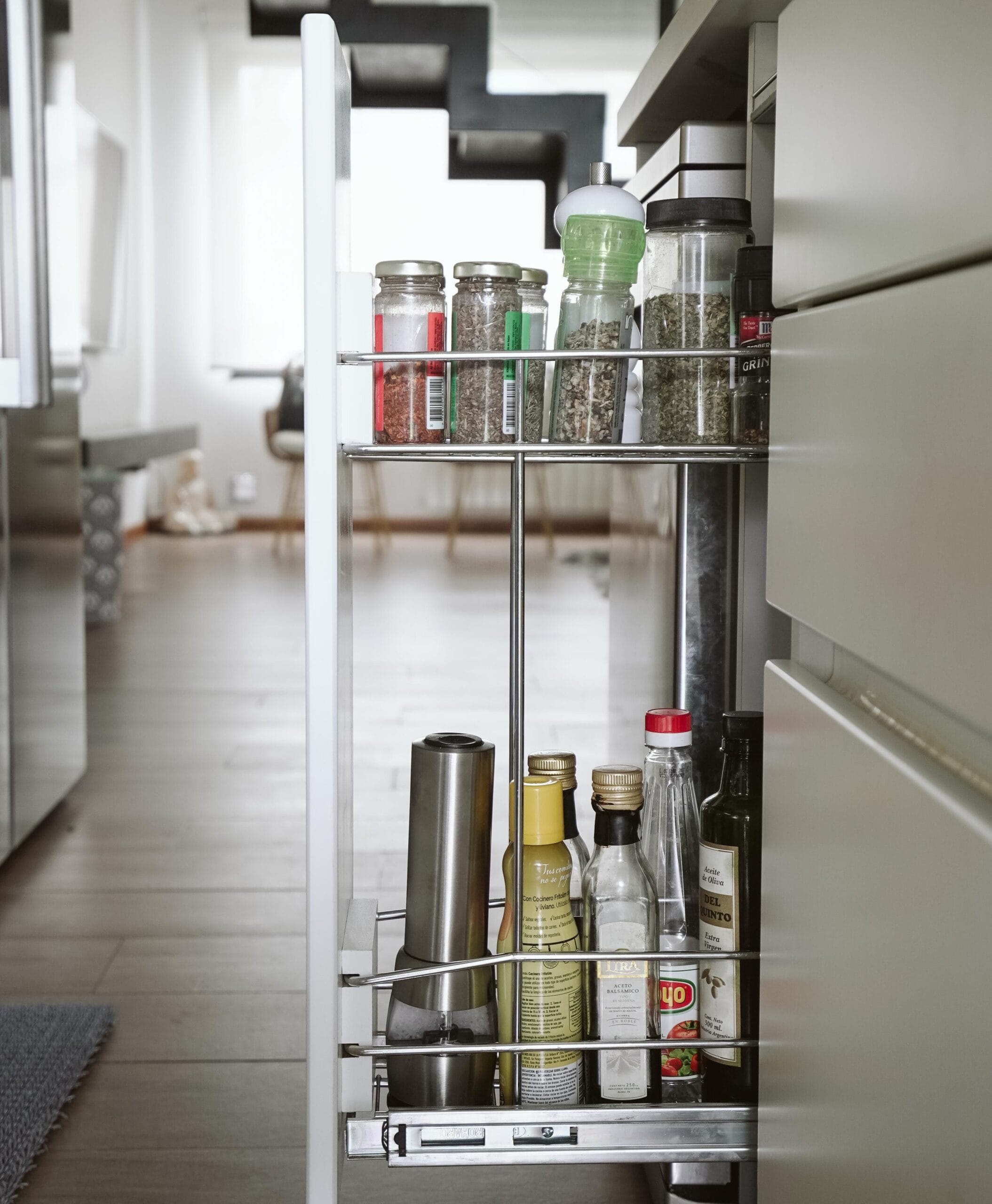
Drawers can become much more useful when their contents are separated with appropriate organizers. Drawer dividers can create sections for utensils, measuring tools, kitchen towels, or other smaller items, while deeper inserts can keep containers and accessories upright. Choose organizers that fit the actual dimensions of the drawer instead of leaving large empty areas around them. The goal is to make every section easy to see and reach without forcing too much into one space.
Keep Seating Areas Free
If your kitchen island includes seating, keep those areas clear of storage items and decorative clutter. Bar stools and chairs need enough space for people to sit comfortably and move around them without bumping into cabinets or nearby furniture. Avoid placing baskets, appliances, or miscellaneous objects near the seating area simply because the space looks empty. A clear seating zone allows the island to serve as both a practical workspace and a comfortable place to gather.
Frequently Asked Questions
How should I organize my kitchen island?
Give each drawer and cabinet a specific purpose based on how you use the kitchen. Keep frequently used tools close to the work surface, store larger items in deep cabinets, and keep the countertop mostly clear.
What should go in a kitchen island?
Cooking utensils, food preparation tools, baking supplies, kitchen linens, everyday dishes, cookware, and larger kitchen items can all work well depending on the island’s storage layout.
Should appliances stay on the kitchen island?
Only appliances you use very frequently should normally remain on the countertop. Less frequently used appliances can be stored in cabinets or other designated storage areas.
How do I keep a kitchen island from becoming cluttered?
Give everything a designated storage location and return items after use. Keep the countertop primarily for food preparation and limit permanent displays to a small number of useful items.
How can I organize deep kitchen island cabinets?
Use pull out shelves, baskets, shelf risers, and clear containers to improve visibility. Keep frequently used items toward the front and larger or occasional items farther back.
Bottom Line
Knowing how to organize a kitchen island is mainly about giving every space a clear purpose. Use drawers for smaller tools, cabinets for larger items, convenient zones for everyday essentials, and the countertop primarily for food preparation and a few frequently used items.
A well organized island should make the kitchen easier to use rather than simply looking tidy. When the storage reflects your cooking habits and every item has a designated place, the island can stay functional, uncluttered, and much easier to maintain.