

A small kitchen island can completely change the way your kitchen functions without requiring a large amount of space. Beyond adding extra countertop area, the right island can provide additional storage, create a casual dining spot, and improve the overall flow of the room. Even compact kitchens can benefit from an island when the design is chosen carefully.
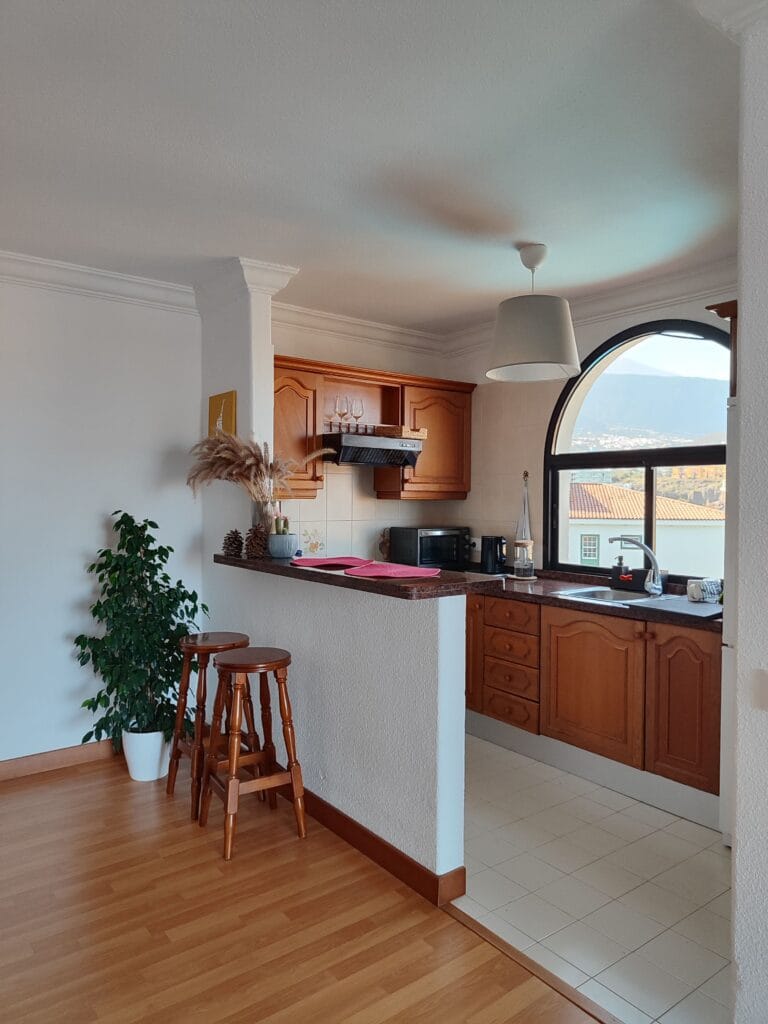
The key is selecting an island that works with your layout rather than overwhelming it. Prioritizing storage, mobility, and smart design allows every square foot to serve multiple purposes. Whether you are renovating your kitchen or looking for a simple upgrade, these ideas can help you make every inch count.
Choose a Rolling Kitchen Island
A rolling island offers flexibility that built in islands cannot match. You can move it closer to your prep area while cooking, roll it out of the way when you need more floor space, or position it beside the dining table for serving meals. Many rolling islands also include shelves, drawers, towel bars, and locking wheels, making them practical for kitchens where every inch matters. This type of island is especially useful for renters or anyone who wants extra workspace without committing to a permanent installation.
Add Open Shelving for Everyday Storage
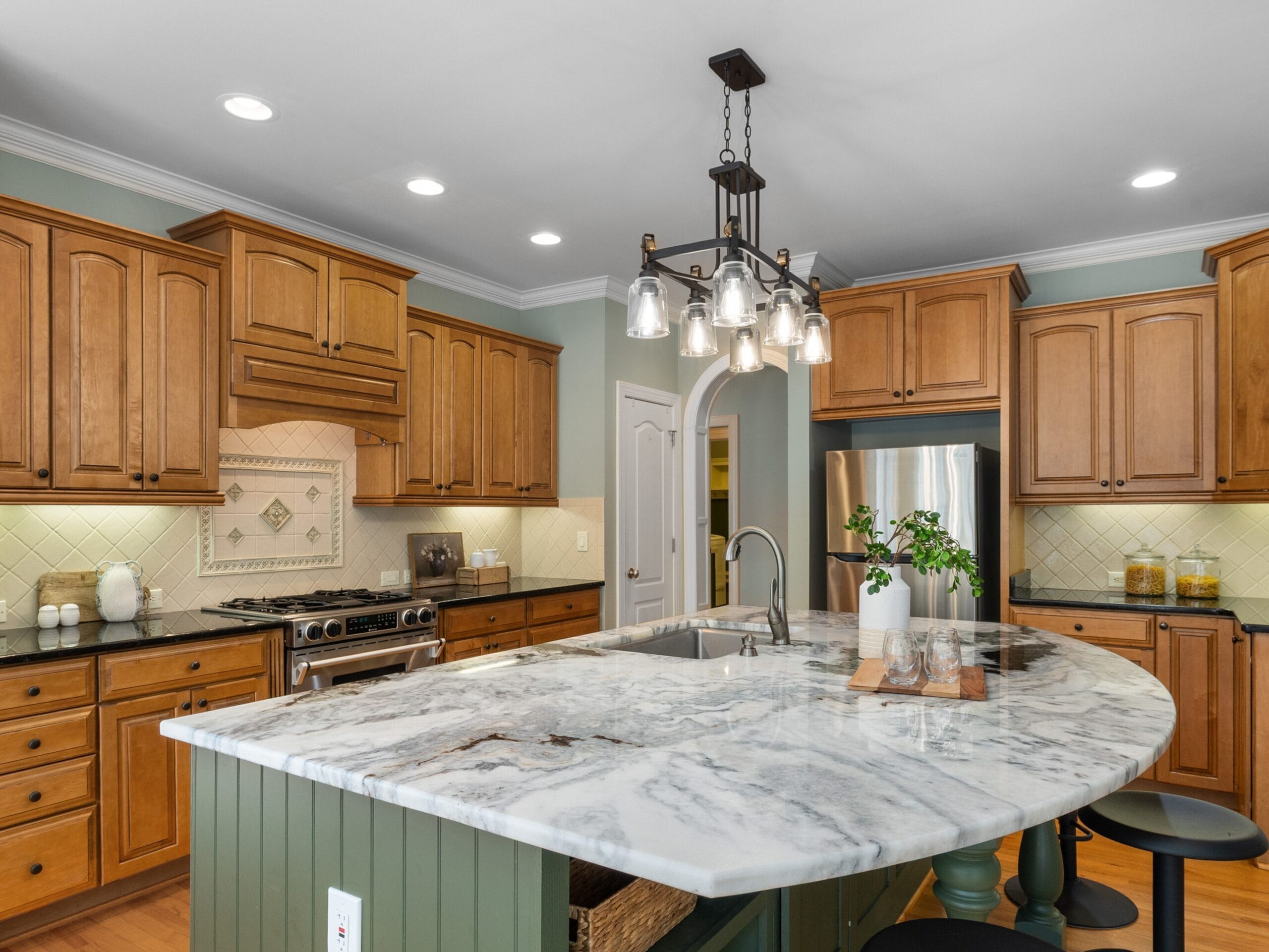
Open shelves beneath a small kitchen island provide easy access to cookware, mixing bowls, baskets, cookbooks, or frequently used appliances. Keeping these items visible reduces the need to open cabinets constantly while making the kitchen feel more organized. Decorative baskets can also hide smaller items and maintain a cleaner appearance without sacrificing storage. When styled thoughtfully, open shelving becomes both practical and visually appealing.
Include Seating on One Side
Even a compact island can double as a dining area with the addition of one or two stools. A small overhang creates enough legroom for quick breakfasts, casual meals, or a comfortable place to prepare food. Choosing stools that slide completely underneath the countertop helps preserve valuable walking space while keeping the kitchen feeling open. This simple feature allows one piece of furniture to serve multiple functions throughout the day.
Pro Tip
Leave enough space to move comfortably around the island. Maintaining clear walkways helps the kitchen feel larger and makes everyday cooking much more enjoyable.
Use Deep Drawers Instead of Cabinets
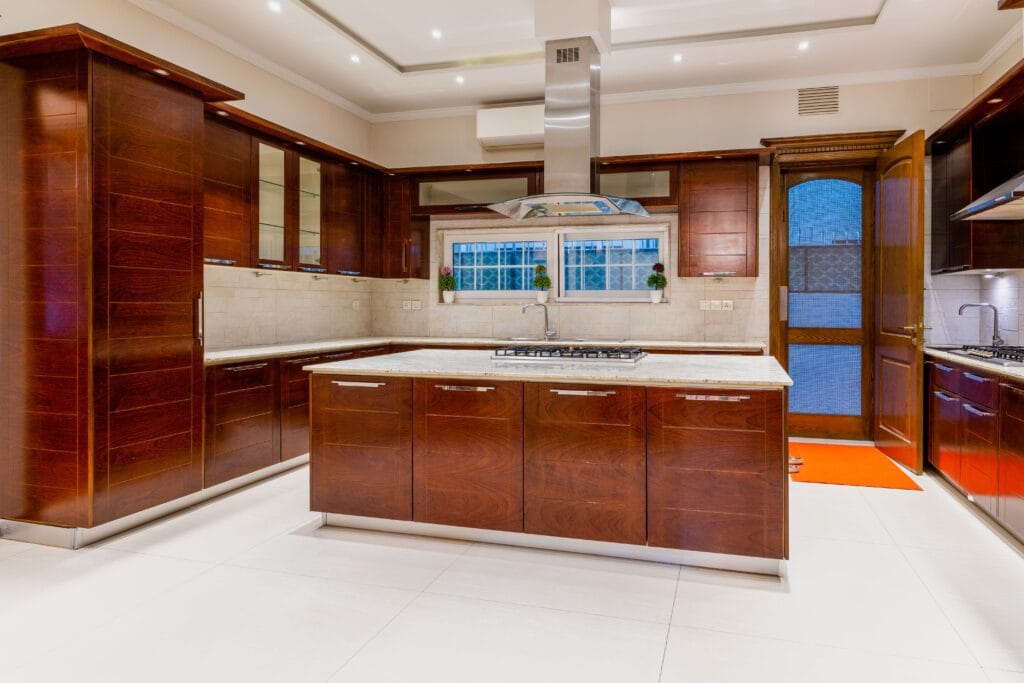
Deep drawers make it easier to organize pots, pans, mixing bowls, food containers, and small appliances because everything can be pulled forward into view. Unlike traditional cabinets where items often disappear at the back, drawers improve accessibility and reduce clutter. Organizing drawers with dividers or containers also helps maximize every inch of available storage while keeping frequently used kitchen items easy to find.
Add a Butcher Block Countertop
A butcher block surface introduces warmth while providing a durable workspace for food preparation. Natural wood complements a wide variety of kitchen styles, from farmhouse and Scandinavian to modern and traditional interiors. As the wood develops character over time, it adds even more personality to the kitchen. Pairing a butcher block top with painted cabinetry creates an island that feels timeless while remaining highly practical for everyday use.
Storage Tip
Store your most frequently used cookware and utensils inside the island while moving seasonal or rarely used items to other cabinets. Keeping daily essentials close to your main workspace improves efficiency and reduces unnecessary movement around the kitchen.
Make the Island Work as a Coffee Station
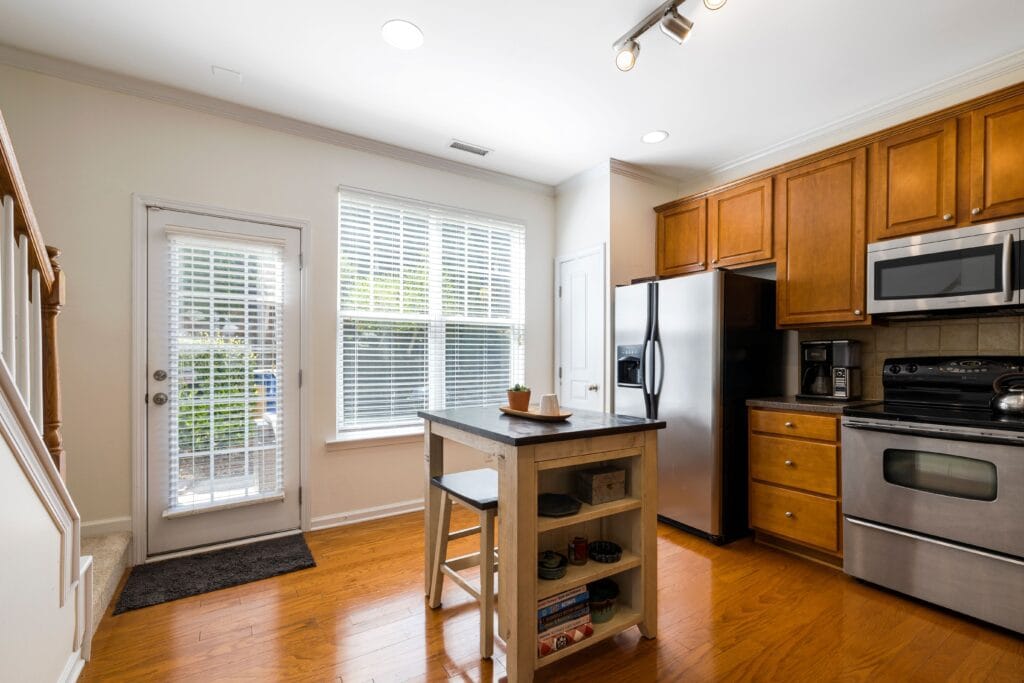
A small kitchen island can become much more useful when it serves a dedicated purpose. If you enjoy coffee each morning, consider placing your coffee machine, mugs, and everyday supplies on one end of the island while storing beans, pods, or filters inside the drawers below. Keeping everything together creates a convenient station that frees up countertop space elsewhere in the kitchen. The same idea can work for a breakfast area, baking supplies, or meal preparation depending on how you use your kitchen most often.
Choose an Island With Hidden Storage
Hidden storage helps maintain a clean kitchen while making the most of limited space. Islands with drawers, cabinets, pull out shelves, or built in organizers can hold everything from serving dishes and cookware to small appliances that would otherwise clutter your countertops. When storage is concealed behind doors or drawers, the kitchen feels more organized while still providing quick access to everyday essentials. This makes the island one of the hardest working pieces of furniture in the room.
Pro Tip
Think about how you move around your kitchen before choosing an island. The best layout keeps the sink, refrigerator, stove, and island close enough to work together without blocking walkways.
Add Decorative Details Without Creating Clutter
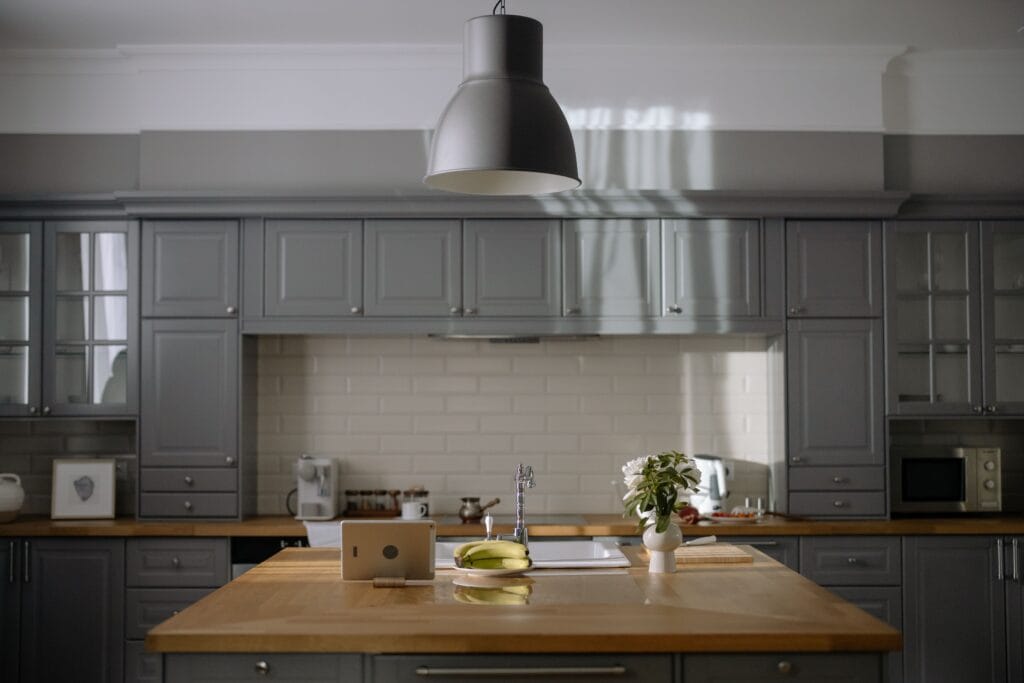
A kitchen island should feel welcoming, but it should also remain practical. A simple bowl of fresh fruit, a wooden tray, a small vase with greenery, or a ceramic utensil holder can add character without taking over valuable workspace. Keeping decorations minimal allows the island to remain functional for cooking, preparing meals, and entertaining while still complementing the overall style of the kitchen.
Match the Island to Your Kitchen Style
Although a kitchen island can stand out slightly from the surrounding cabinets, it should still feel connected to the rest of the room. Matching hardware, similar countertop materials, or complementary paint colors help create a cohesive appearance. Whether your kitchen is modern, farmhouse, coastal, traditional, or Scandinavian, choosing finishes that work together will make the island look like a natural part of the design instead of an afterthought.
Storage Tip
Review what you keep inside your island every few months. Removing items you no longer use makes room for everyday essentials and helps the storage stay organized over time.
Frequently Asked Questions
What is the smallest size for a kitchen island?
Most compact kitchen islands are around 24 to 30 inches wide and 36 to 48 inches long, but the ideal size depends on your kitchen layout and the amount of clearance around the island.
Can a small kitchen have an island?
Yes. Many small kitchens can accommodate a compact or rolling island, provided there is enough space to move comfortably around it without blocking cabinets or appliances.
What should I store in a small kitchen island?
Frequently used cookware, utensils, food containers, baking supplies, cutting boards, small appliances, and kitchen linens are all practical items to keep inside a kitchen island.
Is a rolling kitchen island a good idea?
A rolling island is an excellent option for smaller kitchens because it provides extra workspace and storage while allowing you to move it whenever additional floor space is needed.
Bottom Line
A small kitchen island can provide far more than extra counter space. With the right combination of storage, seating, and smart design, it becomes a central part of the kitchen that supports cooking, entertaining, and everyday organization.
Choose an island that matches your available space, fits your daily routine, and offers practical storage for the items you use most often. A well planned island can make even the smallest kitchen feel more functional, organized, and enjoyable to use every day.