

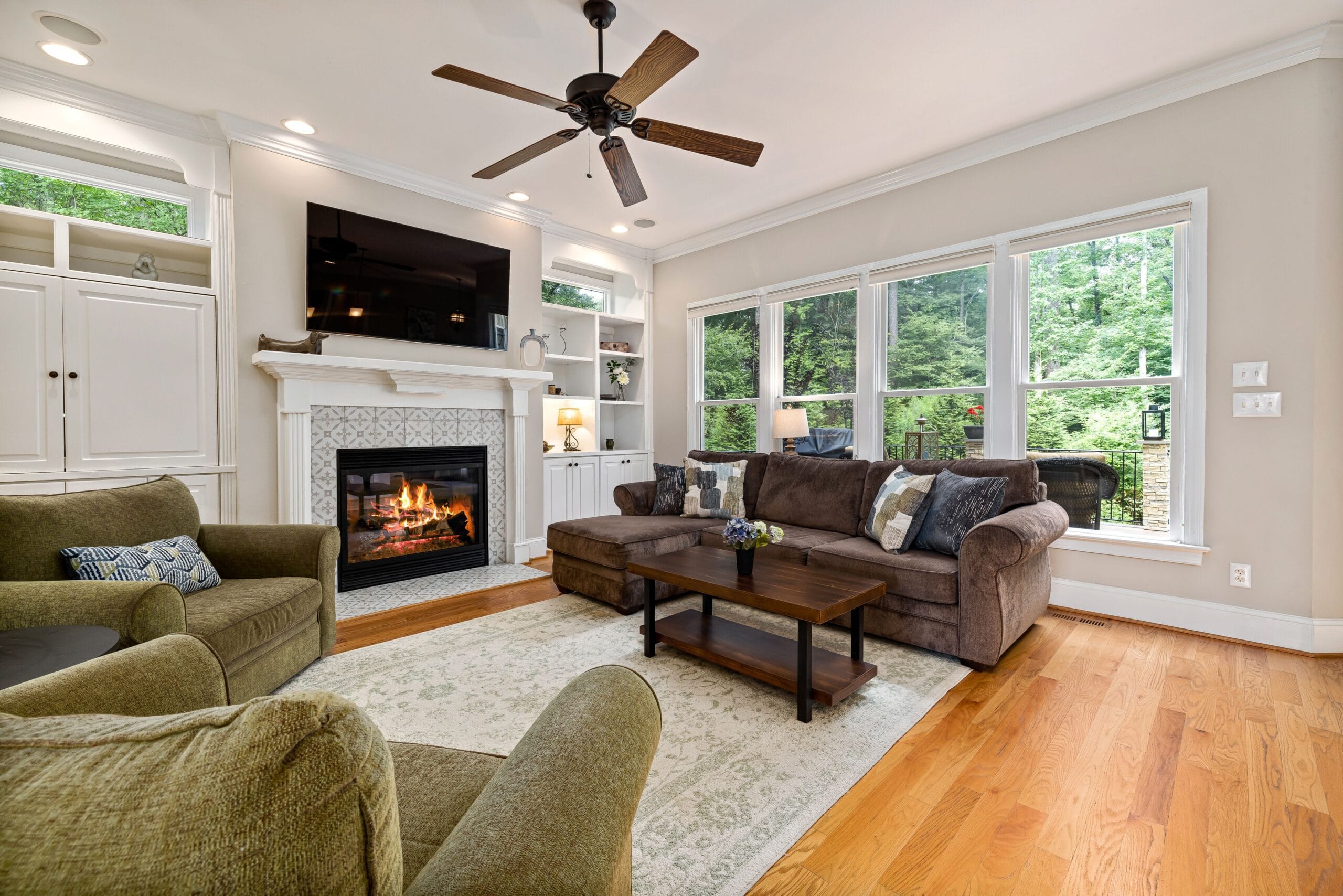
Living room rug size is one of the most important details when designing a comfortable and balanced space. A rug that is too small can make furniture look disconnected, while one that is too large may overwhelm the room. Choosing the right living room rug helps define the seating area, improves the overall layout, and gives the entire space a more finished appearance without replacing a single piece of furniture.
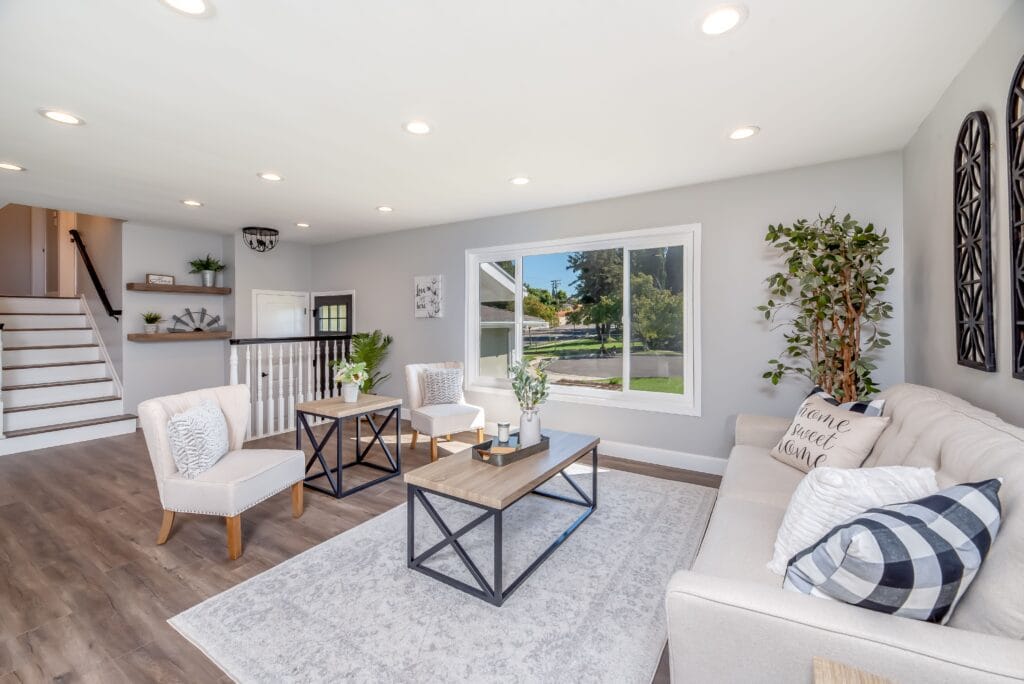
Many homeowners spend hours choosing the right color or pattern but overlook the importance of size. In reality, getting the dimensions right has a much bigger impact on how the room looks and functions. Once the rug properly anchors your furniture, the living room naturally feels more cohesive, welcoming, and comfortable for everyday use.
Measure Your Seating Area First
The best way to choose a living room rug is by measuring your seating arrangement instead of the entire room. The rug should visually connect the sofa, chairs, and coffee table into one comfortable conversation area. Measuring the furniture layout before shopping helps you avoid buying a rug that looks too small once it is placed in the room. Starting with accurate measurements also makes comparing rug sizes much easier.
Keep the Front Legs on the Rug
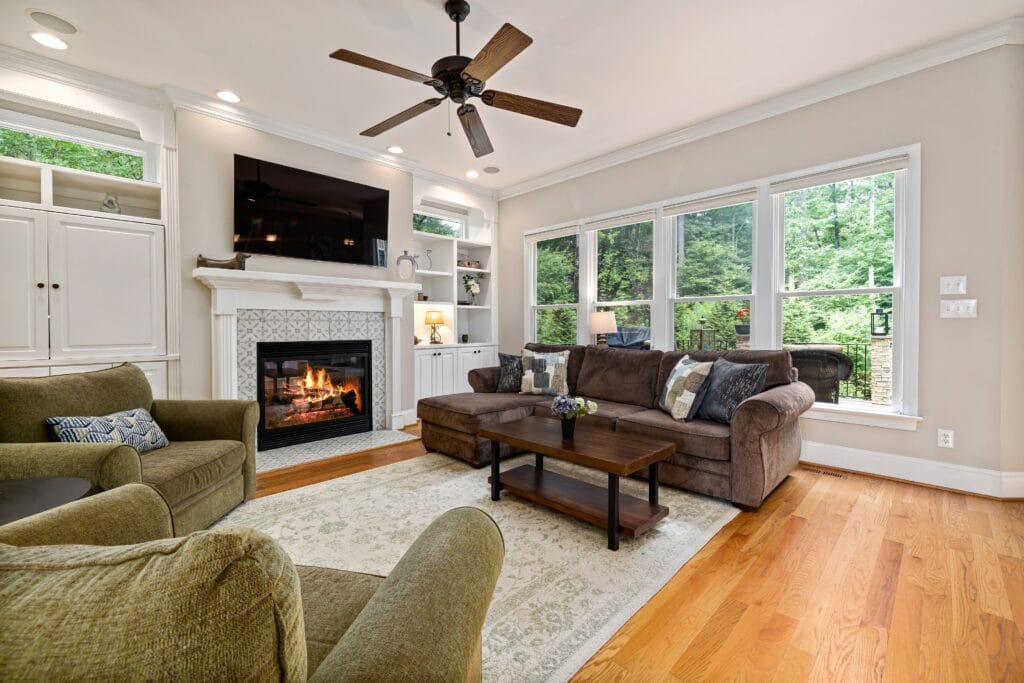
One of the most popular layout techniques is placing the front legs of the sofa and accent chairs on the living room rug while leaving the back legs on the floor. This creates a balanced seating area that feels connected without requiring an oversized rug. The furniture appears more intentional, and the room immediately feels larger because the seating arrangement is visually anchored instead of floating around the space.
Avoid Rugs That Are Too Small
A rug placed only beneath the coffee table is one of the most common decorating mistakes. Instead of connecting the furniture, it separates every piece and makes the room feel smaller than it actually is. Choosing a larger living room rug creates a stronger foundation for the seating area while helping the furniture feel organized and proportional. When in doubt, selecting the larger size usually produces a better result.
Pro Tip
If you are choosing between two rug sizes, the larger option almost always creates a more balanced and comfortable living room.
Leave a Border Around the Room

Even though larger rugs generally work better, they should not completely cover the flooring. Leaving a visible border around the edges allows the room to breathe while framing the furniture arrangement more naturally. This small detail helps the living room rug look intentional instead of appearing wall to wall. The visible flooring also adds contrast that makes the rug stand out without overwhelming the room.
Match the Rug Shape to the Layout
The shape of your furniture should influence the shape of your rug. Most rectangular seating arrangements work best with rectangular rugs because they mirror the furniture layout and create visual balance. Square seating areas may also work well with square rugs depending on the room dimensions. Matching the rug shape to the furniture creates a living room rug layout that feels organized and comfortable while supporting the overall flow of the space.
Quick Fix
Outline the rug dimensions with painter’s tape before buying. Seeing the size on the floor makes it much easier to choose the right rug with confidence.
Quick Fix
Consider Your Room Size
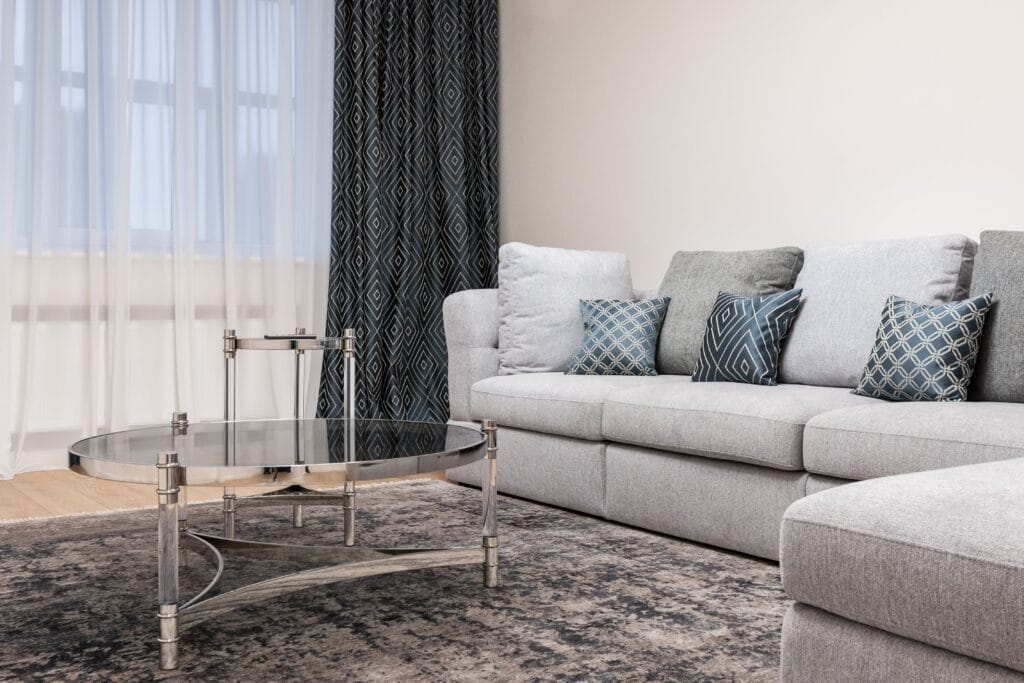
The size of the room should always influence your living room rug selection. Smaller living rooms often benefit from rugs that anchor the main seating area without overwhelming the floor, while larger rooms usually require bigger rugs to keep furniture from feeling disconnected. A rug that matches both the furniture arrangement and the room dimensions creates a layout that feels balanced and comfortable. Choosing a rug based only on appearance instead of scale often leads to a space that feels unfinished.
Think About Daily Use
A living room rug should not only look good but also support the way you use the room every day. If children or pets spend time in the space, durable materials and easy to clean fibers are often the better choice. Living rooms used for entertaining may benefit from larger rugs that comfortably fit additional seating. Selecting the right material and size together ensures the rug remains practical while maintaining its appearance over time.
Time Saver
Measure your furniture once and keep the dimensions saved on your phone. It makes shopping for future rugs much faster and helps prevent costly sizing mistakes.
Choose the Right Material
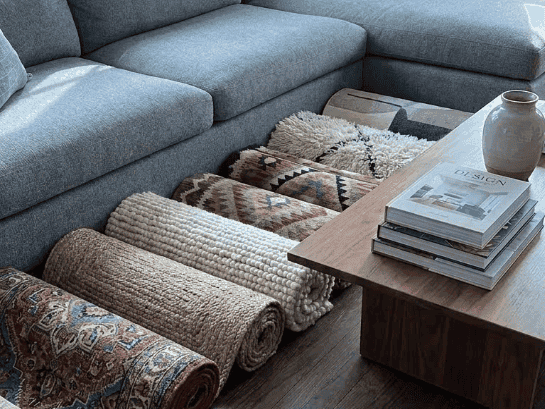
The material of your living room rug affects both comfort and durability. Wool rugs provide softness and long lasting performance, while cotton rugs are lightweight and easy to maintain. Synthetic materials often offer excellent stain resistance for busy households, making them a practical option for everyday living. Choosing a material that matches your lifestyle helps the rug remain attractive for years instead of needing frequent replacement.
Keep the Layout Balanced
A rug should support the furniture arrangement rather than compete with it. Position the coffee table near the center of the rug and keep the seating evenly spaced to create a natural conversation area. Avoid placing furniture randomly around the room, as this can make even the perfect living room rug look out of place. A balanced layout allows the rug to define the seating area while improving the overall flow of the room.
Budget Option
If your ideal rug size is outside your budget, look for affordable neutral rugs in the correct dimensions instead of buying a smaller premium rug. Getting the size right usually has a greater impact than choosing a more expensive design.
Frequently Asked Questions
What is the best size living room rug?
The best living room rug is large enough to anchor the seating area, with at least the front legs of the sofa and chairs resting on the rug.
Should a living room rug go under the sofa?
Yes. Most designers recommend placing at least the front legs of the sofa on the living room rug to create a connected and balanced layout.
Is it better to buy a larger rug?
In most cases, yes. A larger living room rug helps furniture feel connected and often makes the room appear more spacious.
What shape rug works best in a living room?
Rectangular rugs are the most common choice because they complement most furniture layouts, although square rugs can work well in square seating arrangements.
Bottom Line
Choosing the right living room rug is about much more than selecting a color or pattern. The correct size, shape, and placement help connect your furniture, define the seating area, and create a living room that feels comfortable and well planned.
By measuring your layout first, selecting a rug that fits the seating arrangement, and leaving enough visible flooring around the edges, you can create a space that feels balanced and inviting. A properly sized living room rug is one of the simplest upgrades that can completely improve the look and function of your home.