


Living room furniture layout mistakes can make even a large room feel cramped, awkward, and uncomfortable. Many homeowners assume the problem is their furniture, when the real issue is often how everything has been arranged. A few small layout changes can improve conversation, increase walking space, and make the room feel more inviting without buying anything new.\
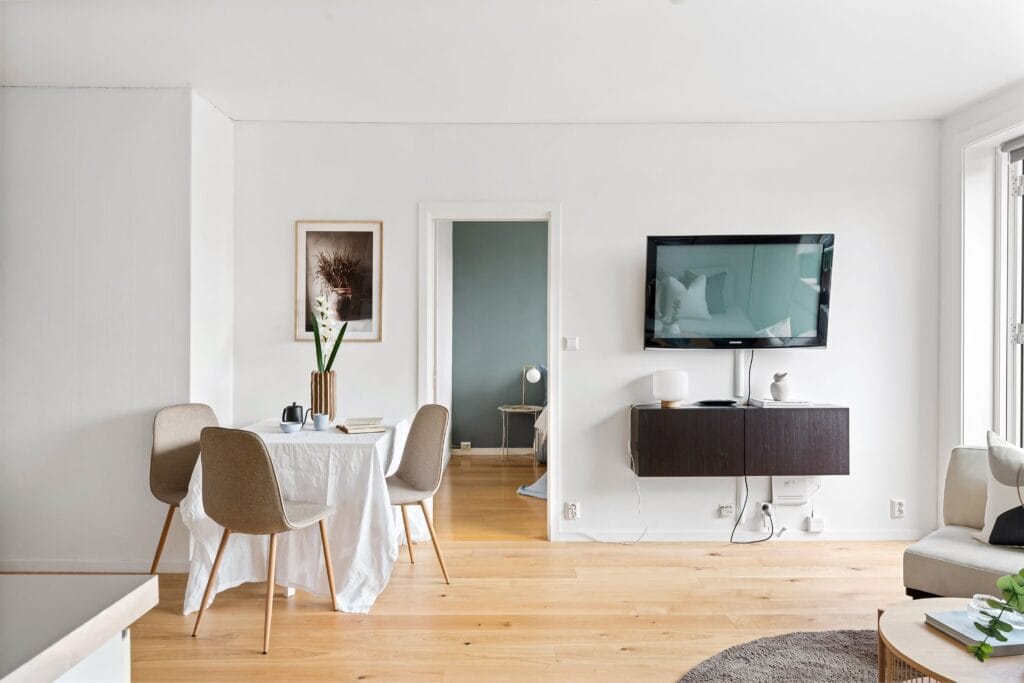
A successful living room should support the way you actually live. Whether you spend time watching television, entertaining guests, reading, or relaxing with family, the furniture should work together to create a comfortable and practical space. Avoiding a few common layout mistakes is often all it takes to completely change how the room feels.
Pushing Every Piece Against the Wall
One of the biggest living room furniture layout mistakes is pushing every piece of furniture against the walls in an attempt to make the room feel larger. While this may seem like a good idea, it often leaves an empty space in the center while making conversation areas feel disconnected. Pulling the sofa and chairs a little closer together creates a more welcoming arrangement that feels intentional and comfortable without reducing walking space.
Ignoring the Room’s Focal Point
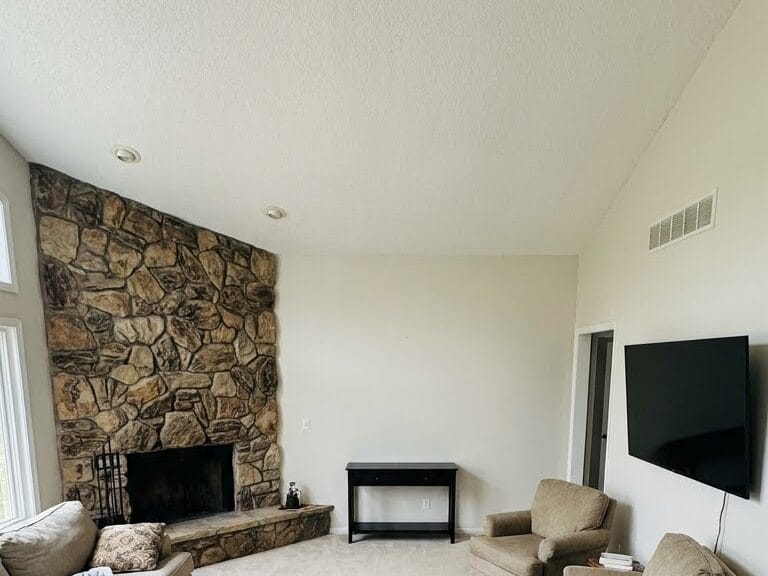
Every living room needs a focal point that naturally draws attention. This may be a fireplace, large window, television, or statement wall. Arranging furniture without considering that feature often makes the room feel unbalanced and confusing. Positioning the main seating toward the focal point helps organize the space while creating a layout that feels more natural and visually connected.
Choosing the Wrong Rug Size
A rug that is too small can make the entire seating area appear disconnected. One of the easiest ways to improve a living room furniture layout is by choosing a rug that is large enough for at least the front legs of the sofa and chairs to sit on. This simple change visually connects the furniture while making the room feel larger and more cohesive.
Pro Tip
Measure your seating area before buying a rug. A properly sized rug often improves the entire layout more than adding new furniture.
Blocking Natural Walkways
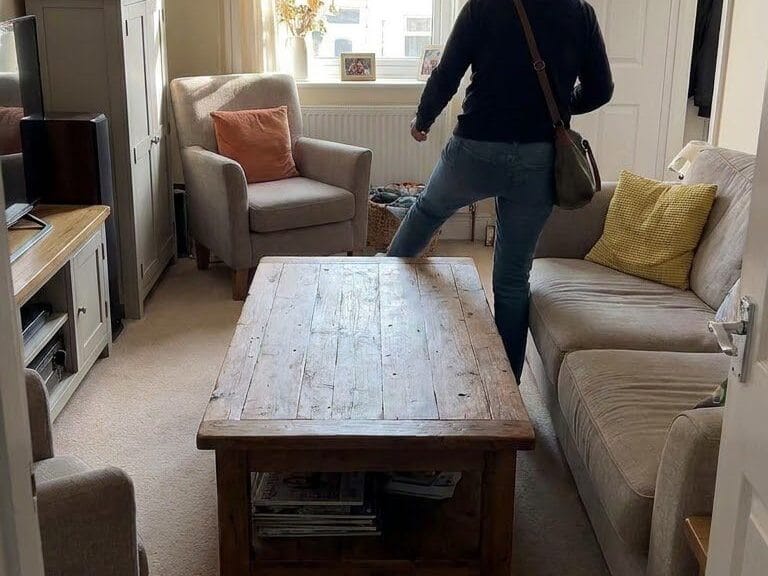
Furniture should never interrupt the natural flow of the room. Placing coffee tables, chairs, or storage pieces where people regularly walk creates an awkward layout that quickly becomes frustrating. Leave comfortable pathways between furniture so everyone can move naturally without constantly walking around obstacles. An open layout always feels more practical for everyday living.
Using Oversized Furniture
Large furniture is comfortable, but pieces that are too big for the room can overwhelm the entire layout. Oversized sectionals, bulky coffee tables, and wide recliners reduce walking space while making the room feel crowded. Choosing furniture that fits the scale of the room is one of the simplest ways to improve a living room furniture layout without changing your decorating style.
Quick Fix
Remove one unnecessary side table or accent chair if the room feels crowded. Creating a little more open space can instantly improve the overall layout.
Forgetting About Conversation

A comfortable seating arrangement should encourage people to talk naturally instead of feeling scattered around the room. One common living room furniture layout mistake is placing chairs too far from the sofa or arranging every seat to face only the television. Position seating so family and guests can comfortably interact while still enjoying the room’s focal point. Even a small adjustment to chair placement can make the space feel more welcoming and functional.
Using Too Many Furniture Pieces
Trying to fit every chair, table, or cabinet into one room often creates unnecessary clutter. Instead of filling every empty corner, choose furniture that serves a clear purpose and complements the overall layout. Leaving some open space allows the room to feel larger while making it easier to move around. A well planned living room furniture layout almost always feels more comfortable than one packed with extra furniture.
Storage Tip
Choose coffee tables, ottomans, or console tables with built in storage to reduce clutter while keeping everyday essentials within easy reach.
Poor Lighting Placement
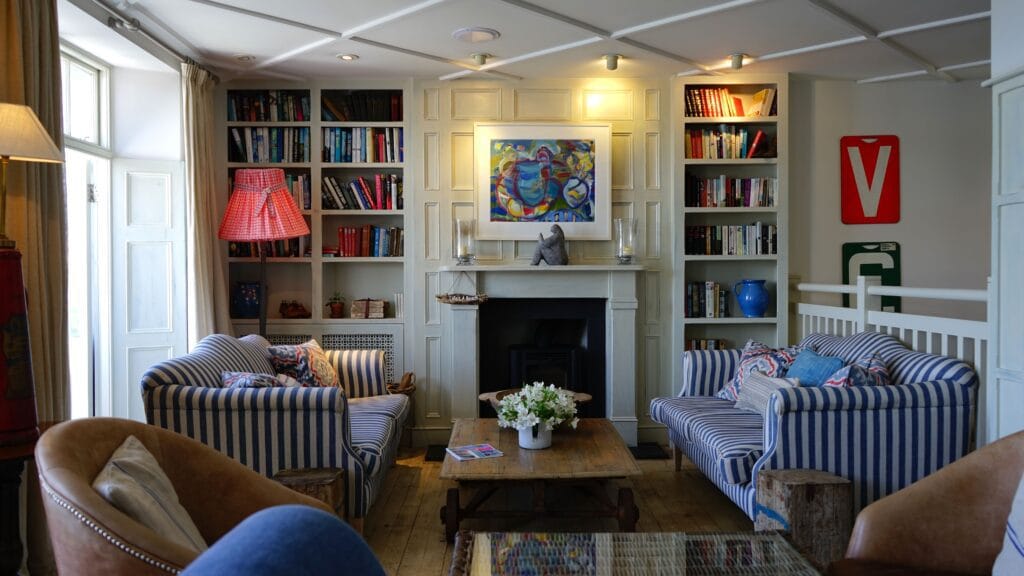
Even a great furniture arrangement can feel uninviting if the lighting is poorly planned. Depending on a single ceiling light often leaves parts of the room too bright while others feel dark. Instead, combine table lamps, floor lamps, and wall lighting to create balanced illumination around the seating area. Layered lighting also helps define different parts of the room while making the overall layout feel warmer and more comfortable.
Forgetting to Adjust the Layout
Many homeowners arrange furniture once and never change it again, even if the room no longer works for their needs. As your lifestyle changes, your living room furniture layout should change as well. Moving the sofa, rotating chairs, or replacing one oversized piece with a more practical option can dramatically improve comfort without requiring a complete redesign. Reviewing your layout every few months helps ensure the room continues to support how you actually use it.
Time Saver
Before moving heavy furniture, sketch a simple floor plan or use masking tape to outline furniture positions. Planning first saves time and avoids unnecessary lifting.
Frequently Asked Questions
What is the biggest living room furniture layout mistake?
The biggest living room furniture layout mistake is pushing every piece of furniture against the walls. Bringing seating together usually creates a more comfortable and inviting room.
How do I improve my living room layout?
Start by identifying the focal point, creating comfortable conversation areas, leaving clear walking paths, and removing furniture that makes the room feel crowded.
Should all furniture face the television?
No. While the television may be important, the layout should also support conversation and everyday activities instead of focusing only on screen viewing.
How do I know if my furniture is too large?
If walkways feel narrow, doors cannot open comfortably, or the room feels crowded despite having plenty of floor space, your furniture may be oversized for the room.
Bottom Line
Living room furniture layout mistakes are often easy to fix once you identify what is making the space feel uncomfortable. Oversized furniture, blocked walkways, poor lighting, and disconnected seating arrangements can all make the room feel less functional than it should be.
Focus on creating a layout that supports the way you use the room every day. When furniture is properly scaled, conversation areas feel natural, and walkways remain clear, your living room becomes a space that is both practical and enjoyable for years to come.