
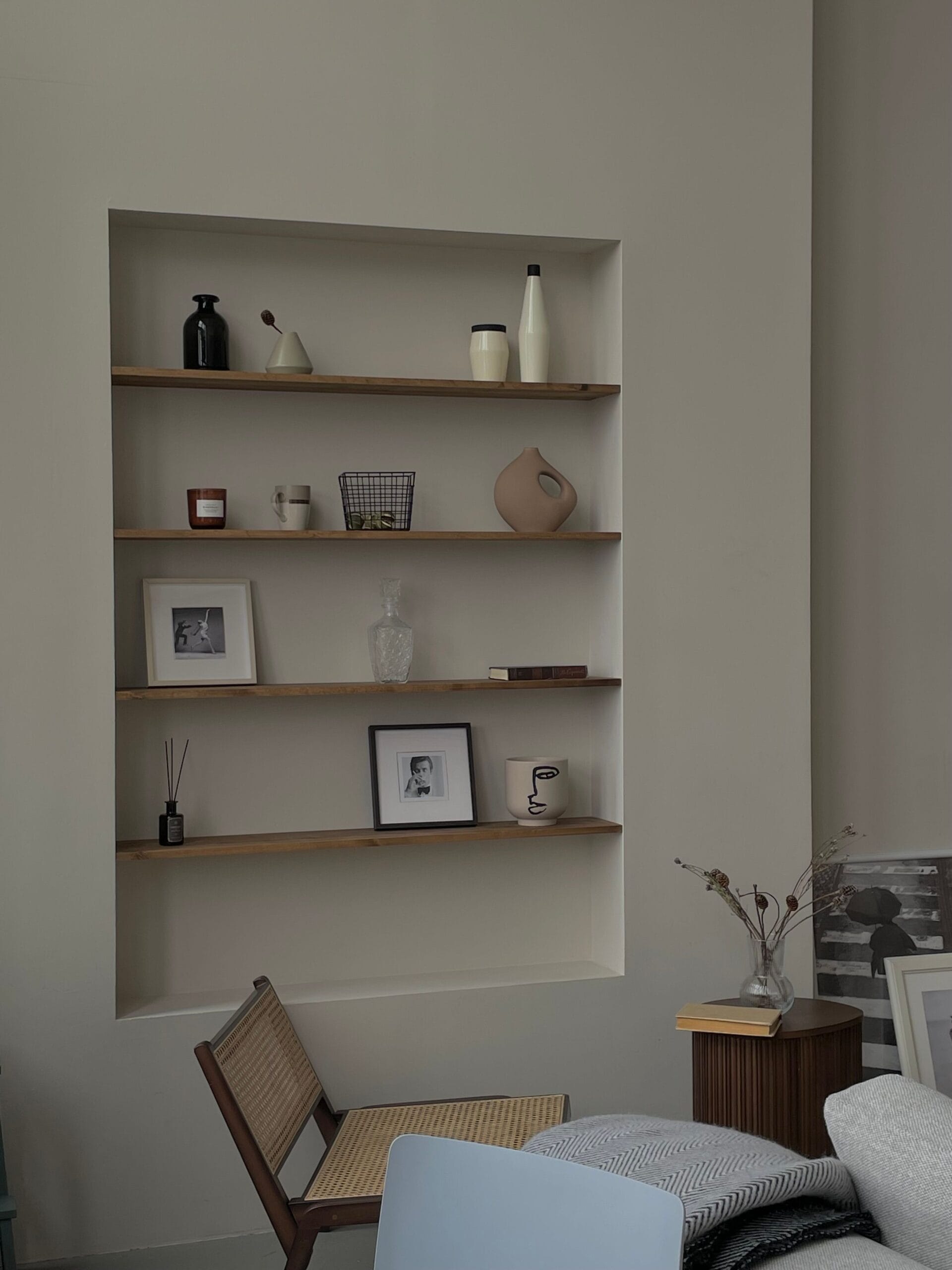
How to style open shelves without making them look crowded comes down to using fewer items, leaving intentional empty space, and creating a balance between books, décor, and useful objects. Instead of filling every shelf from end to end, choose a few pieces with different heights and textures, group some items together, and leave space around each arrangement. This makes the shelves feel organized and considered while still giving them enough personality to make the room feel lived in.
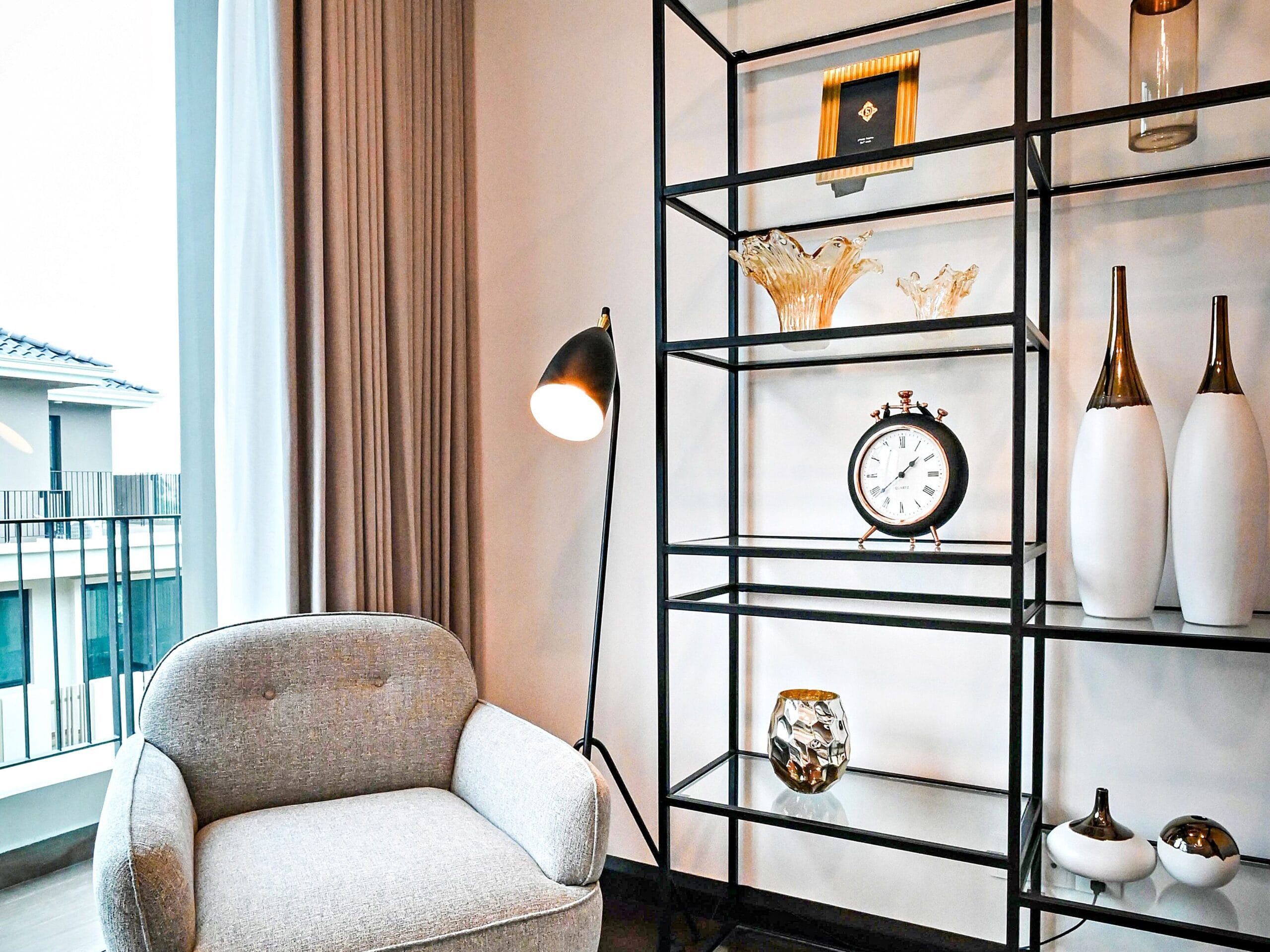
Open shelving can easily become a dumping ground for anything that does not have a designated place. The problem is usually not the shelves themselves but trying to use every available inch. A more restrained approach allows individual objects to stand out while making the entire room feel calmer and less cluttered.
Start by Removing Half the Items
The easiest way to learn how to style open shelves is to start with less than you think you need. Remove everything from the shelves and only return the pieces that are useful, meaningful, or visually interesting. This gives you a clean starting point and makes it easier to see how much space is actually available. Keeping fewer objects also makes future styling much easier because you are not constantly working around unnecessary clutter.
Create Groups Instead of Spreading Everything Out
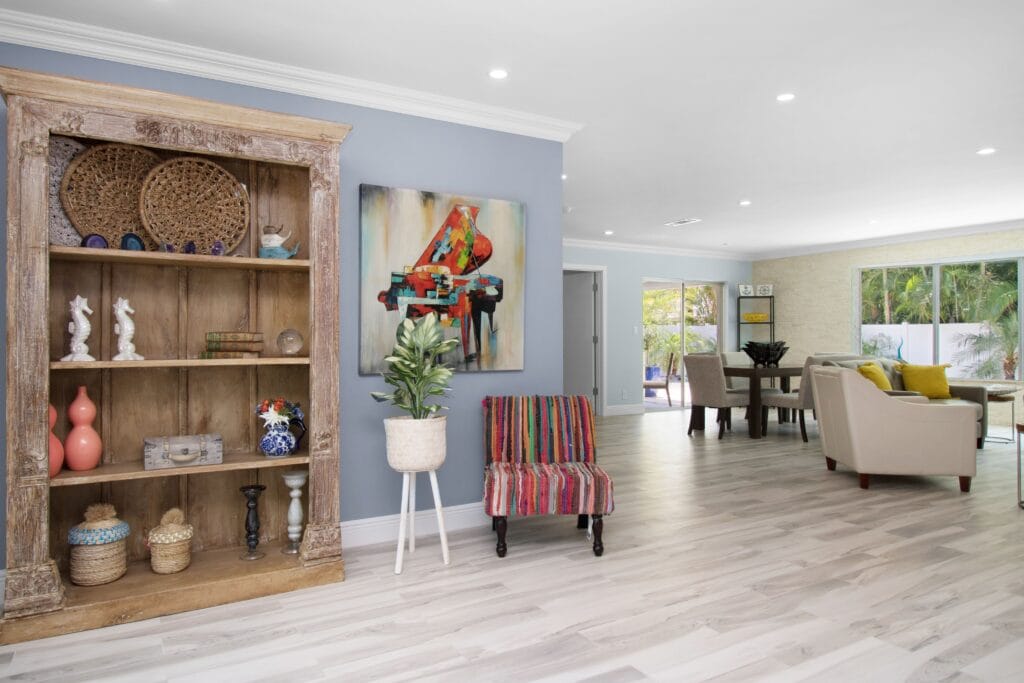
Rather than placing one object on every available section of a shelf, create small groups of two or three pieces. A stack of books paired with a ceramic object, for example, creates a stronger arrangement than several unrelated objects spread across the entire shelf. Grouping accessories gives the eye clear points of interest while allowing plenty of empty space between them.
Mix Different Heights
Shelves look more natural when the objects do not all have the same height. Combine tall vases, medium sized decorative pieces, books, framed artwork, and smaller objects to create visual variation. Placing taller pieces toward the back or at the ends of certain shelves can also help create a sense of depth. The goal is to create variation without making every shelf visually busy.
Pro Tip
Before buying more décor, move items between shelves and change their heights. A simple rearrangement can often make existing pieces look completely different.
Leave Empty Space
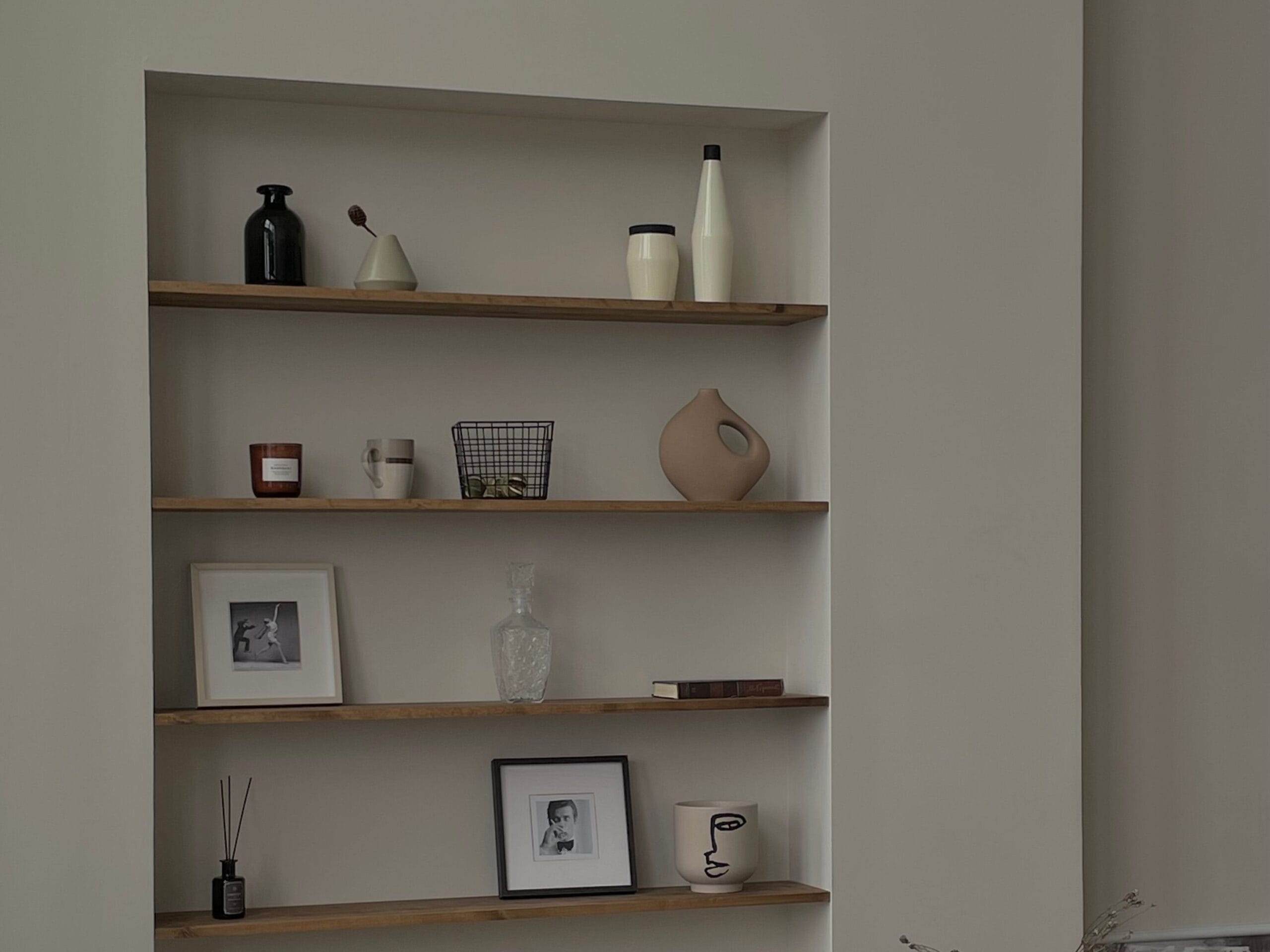
Empty space is one of the most important parts of styling open shelving. Leaving gaps around decorative objects gives each arrangement room to breathe and prevents the shelves from looking overloaded. You do not need to fill every corner simply because there is available space. Intentional empty areas can actually make the items you choose feel more noticeable.
Repeat a Few Colors
A consistent color palette helps different objects look connected even when they have different shapes and materials. Choose two or three colors that already appear elsewhere in the room and repeat them across the shelves. Neutral ceramics, natural wood, muted fabrics, and a few darker accents can create cohesion without requiring every object to match.
Quick Fix
Take one item off every shelf and step back to look at the entire unit. Removing just a few pieces can immediately make overfilled shelves feel more balanced.
Layer Books Horizontally and Vertically
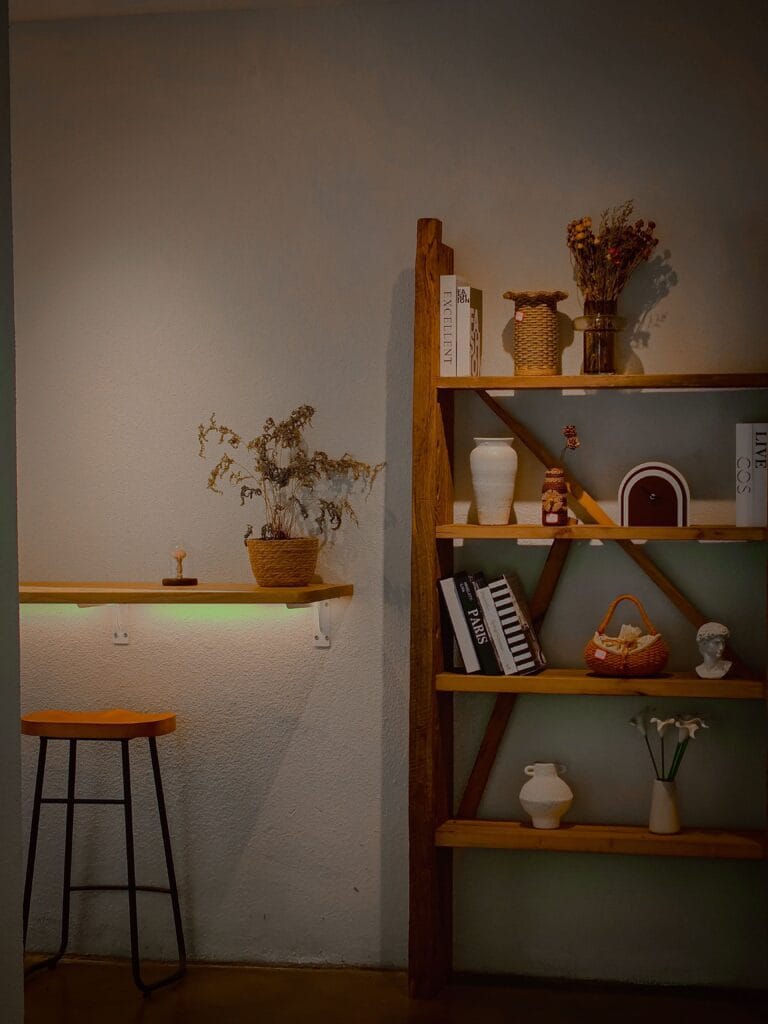
Books are useful for adding height and structure without making open shelves feel overly decorative. Stack a few books horizontally beneath a small object, then place another group vertically on a nearby shelf. Varying the direction keeps the arrangement from looking repetitive while giving smaller accessories different levels to sit on. Choose books with colors that complement the rest of the room rather than introducing too many unrelated shades.
Add Natural Elements
Plants, branches, woven baskets, and wooden objects can soften the appearance of open shelving while adding texture. A small plant on one shelf and a larger natural element on another can create enough variation without filling the entire unit with greenery. Natural materials also work particularly well when the rest of the room uses neutral colors and simple furniture.
Storage Tip
Use attractive baskets on lower shelves to hide smaller items that need to stay accessible. They provide storage without making the shelves look cluttered.
Use Artwork for Height
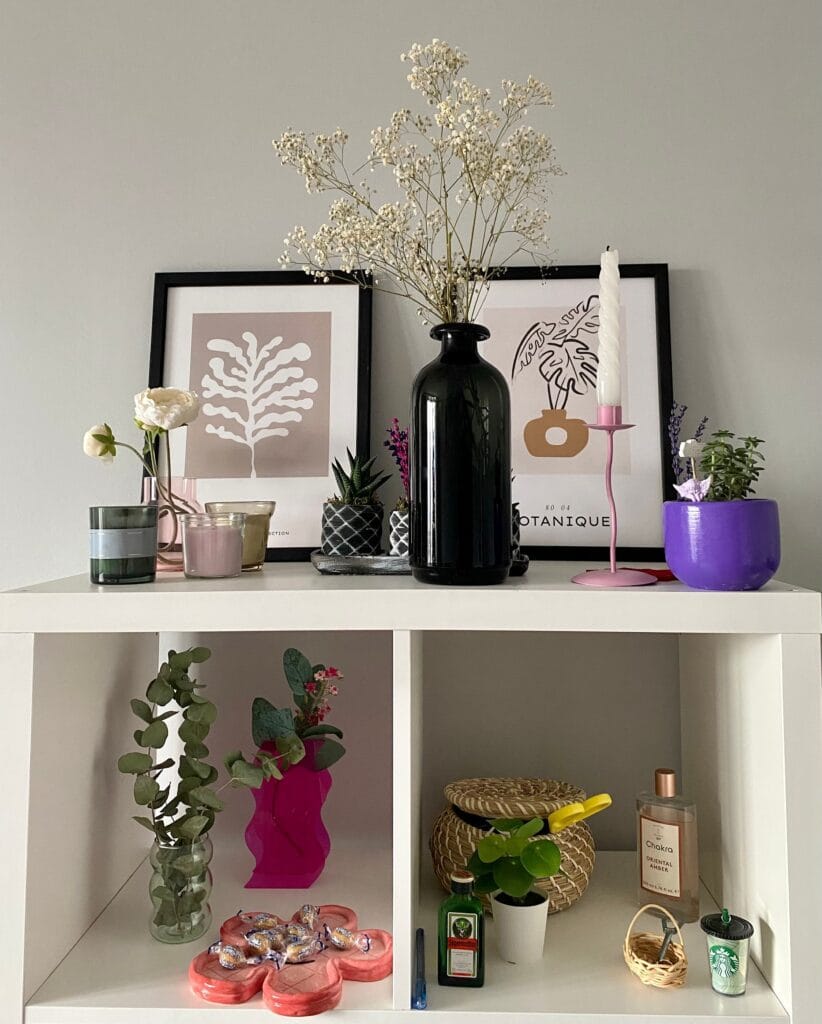
Framed artwork can fill vertical space without requiring several small decorative objects. Lean a larger frame against the back of a shelf or place a smaller print behind a stack of books to create layers. Artwork also gives you an easy way to introduce color or pattern without adding lots of accessories. Keeping the artwork within the same general color palette helps the shelves feel cohesive.
Vary the Arrangement Between Shelves
Avoid making every shelf follow the exact same formula. If one shelf has books and a vase, use artwork and a small plant on another. Changing the arrangement creates rhythm while preventing the entire unit from looking overly symmetrical. Some shelves can even remain mostly empty, which gives the display a more relaxed appearance.
Time Saver
Take a photo of your shelves after styling them. Looking at the arrangement on your phone can make overcrowded areas much easier to spot.
Frequently Asked Questions
How many items should I put on each shelf?
There is no fixed number, but groups of two or three objects usually work better than filling the entire shelf. The amount should also depend on the shelf length and the size of the objects.
How do I make open shelves look less cluttered?
Remove unnecessary objects, group similar pieces together, vary the heights, and leave visible empty space between arrangements. How to style open shelves successfully is often more about what you leave out than what you add.
Should every shelf be decorated?
No. Leaving one or more shelves partially empty creates breathing room and keeps the entire unit from looking overloaded.
How do I make shelves look cohesive?
Repeat a few colors, materials, or textures throughout the shelving unit. The pieces do not need to match, but they should have some visual connection.
Bottom Line
How to style open shelves without overfilling them is mostly about restraint. Choose fewer meaningful pieces, group objects instead of spreading them across every inch, vary their heights, and leave enough empty space for the display to breathe.
The shelves should support the room rather than become the main source of clutter. When books, artwork, plants, and decorative objects are arranged with enough space between them, open shelving can feel organized, personal, and easy to maintain.