

How to plan a small backyard garden layout starts with creating a plan before you buy plants, build garden beds, or install pathways. A thoughtful layout helps you use every inch of available space while making the garden easier to maintain throughout the year. Whether you want to grow vegetables, flowers, herbs, or create a relaxing outdoor retreat, starting with a clear layout prevents costly mistakes and helps every part of your backyard serve a purpose.
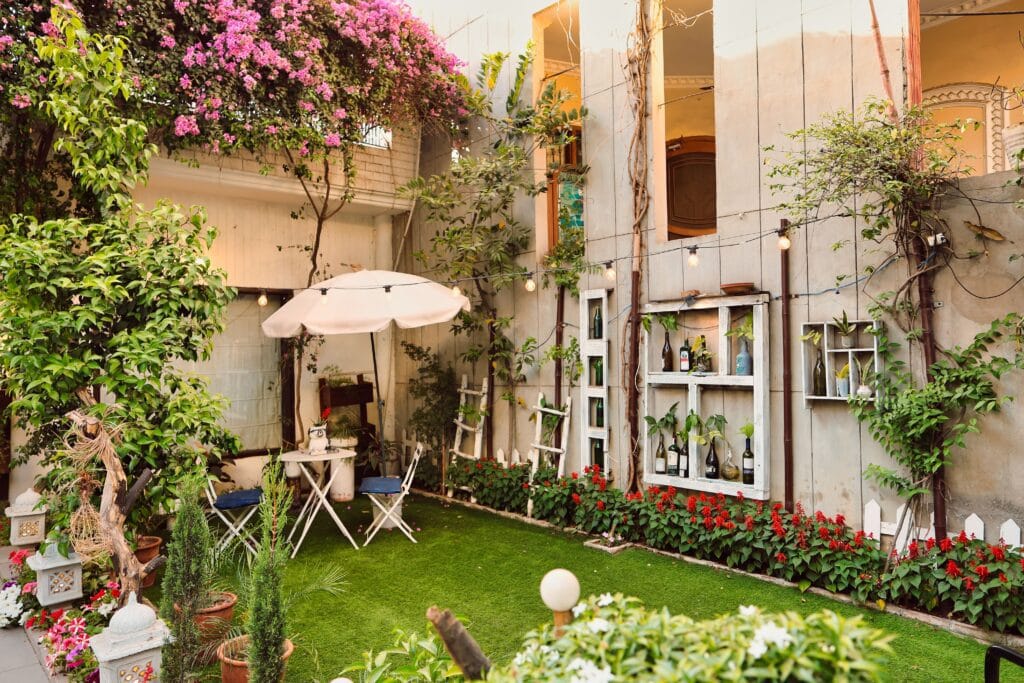
Planning from scratch may seem overwhelming at first, but it becomes much easier when you break the project into simple steps. By understanding your available space, sunlight, and daily needs, you can create a garden that looks balanced, functions efficiently, and continues to improve as plants mature over time.
How to Plan a Small Backyard Garden Layout by Measuring Your Space
The first step in how to plan a small backyard garden layout is measuring your backyard accurately. Record the length and width of the space, then mark permanent features such as fences, patios, sheds, existing trees, air conditioning units, and gates on a simple sketch. You should also note which areas receive full sun, partial shade, and full shade throughout the day because these conditions determine where different plants will grow successfully. Taking measurements before making any design decisions allows you to create a realistic layout instead of relying on guesswork, helping you avoid overcrowding and unnecessary changes later.
Divide the Backyard Into Practical Zones
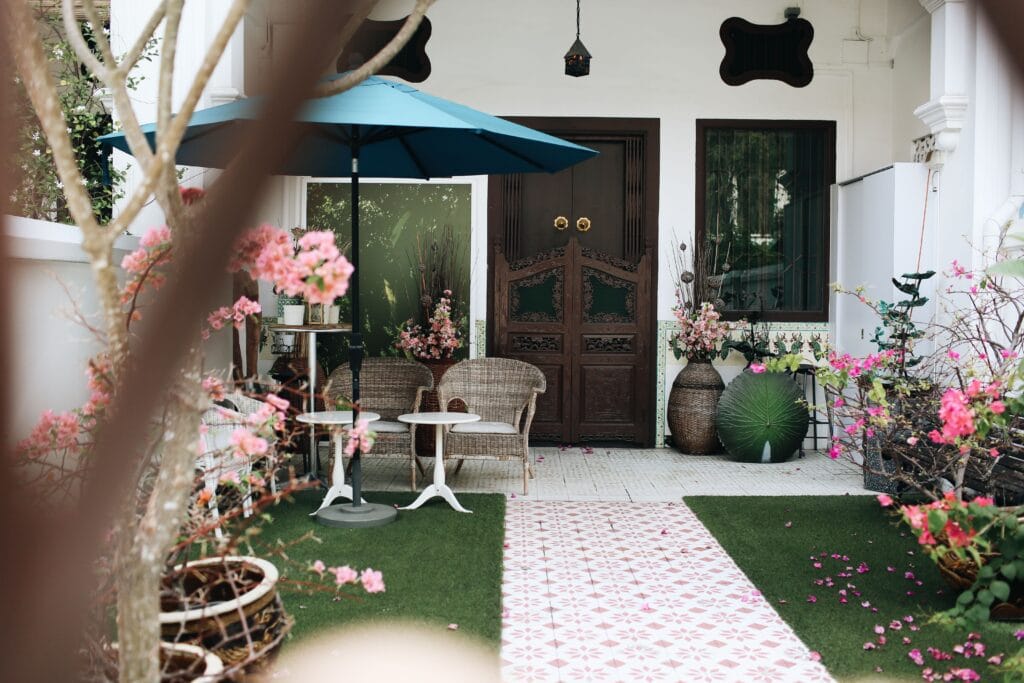
Instead of treating your backyard as one large open area, divide it into smaller sections based on how you plan to use the space. One area might become a vegetable garden, another a flower bed, while another provides seating or a small lawn for relaxing. Creating separate zones makes the entire backyard feel more organized because every section has a clear purpose. Even the smallest gardens benefit from this approach because it prevents different features from competing for the same space while making maintenance much easier throughout the growing season.
Plan Walkways Before Planting
Walkways should be part of the original layout rather than an afterthought. Gravel paths, stepping stones, brick walkways, or natural stone paths help connect each section of the garden while protecting planting beds from foot traffic. A well planned path also makes watering, pruning, harvesting, and general maintenance much more convenient. Keeping pathways simple and direct allows the backyard to feel larger because movement through the space becomes more natural instead of weaving around crowded planting areas.
Pro Tip
Walk through your backyard several times before finalizing the layout. Following the routes you naturally take often reveals the best locations for future pathways.
Choose One Main Focal Point
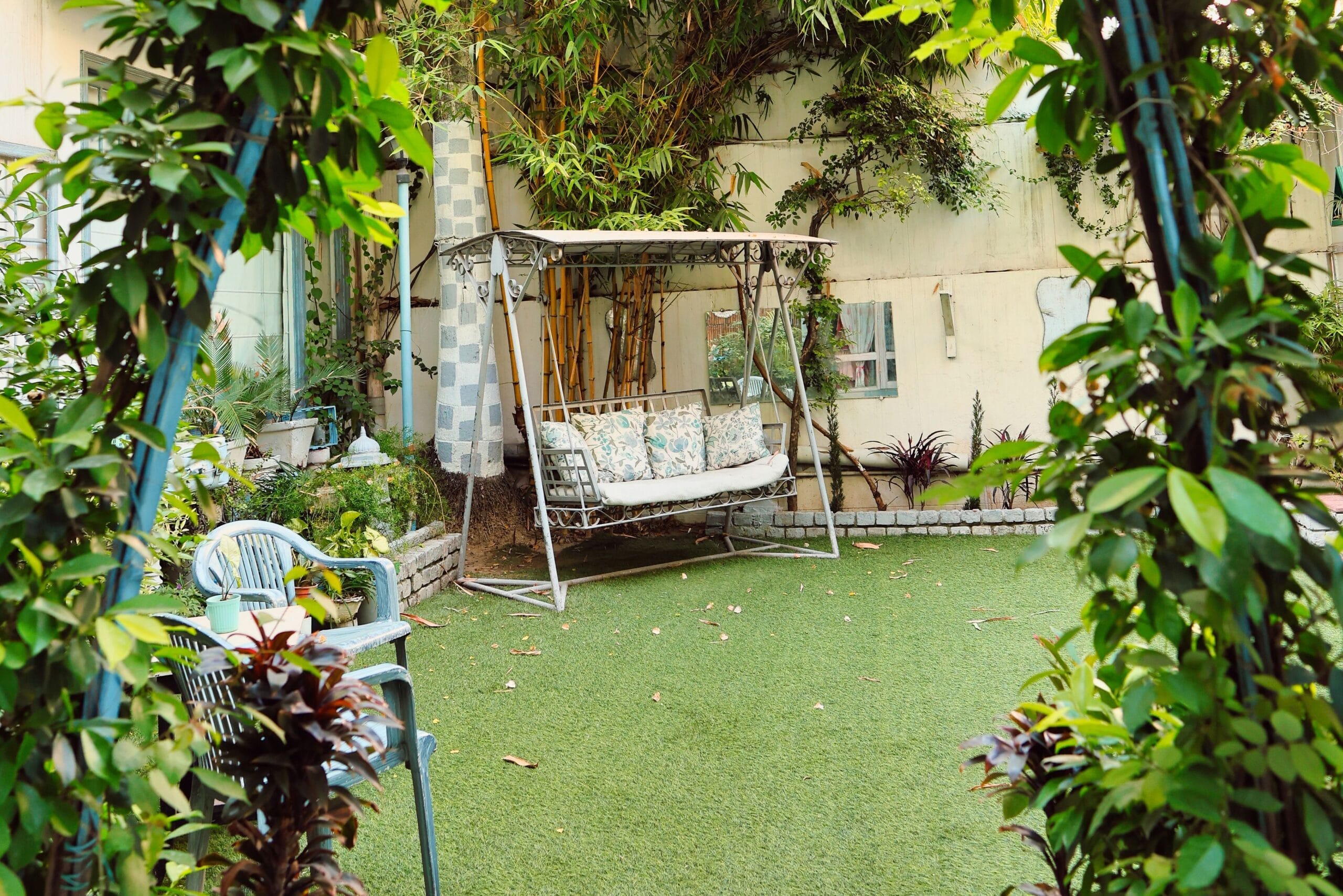
Every successful garden benefits from one feature that naturally attracts attention. A raised garden bed, small pergola, ornamental tree, water feature, decorative planter, or cozy seating area can all become the visual centerpiece of the backyard. Once the focal point is chosen, arrange surrounding planting beds and pathways so they lead naturally toward it. Limiting yourself to one primary feature helps the garden feel balanced instead of overcrowded with competing ideas.
Leave Room for Plants to Grow
One of the biggest mistakes beginners make is planting everything too closely together because the garden appears empty at first. However, shrubs, flowers, ornamental grasses, and vegetables all need enough space to mature properly. Following recommended spacing improves air circulation, keeps plants healthier, and reduces future maintenance. Planning for mature plant size also prevents the backyard from feeling overcrowded after only a few growing seasons.
Garden Tip
A garden that feels slightly open on planting day will usually look full and balanced after one or two growing seasons.
Use Vertical Space to Increase Planting Areas
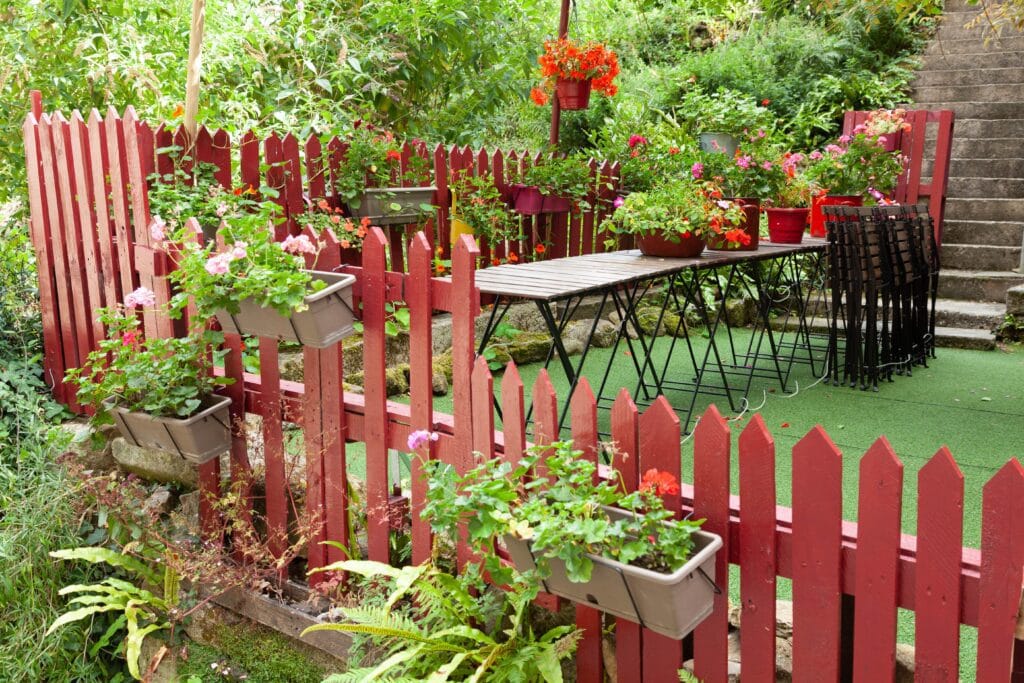
When learning how to plan a small backyard garden layout, remember that your garden is not limited to the ground. Trellises, garden arches, wall planters, climbing vegetables, and vertical supports allow you to grow more plants without using additional floor space. Cucumbers, beans, climbing roses, jasmine, and clematis are just a few options that make excellent use of vertical space. Vertical features also add height and visual interest, helping a compact backyard feel larger and more dynamic while creating natural privacy between different areas of the garden.
Keep Maintenance in Mind
A beautiful layout should also be practical to maintain. Position plants with similar watering and sunlight needs together so daily care becomes easier. Leave enough room to move comfortably around planting beds with a watering can, wheelbarrow, or garden tools without damaging nearby plants. Choosing mulch, edging, and clearly defined pathways also reduces weeds and keeps the backyard looking tidy throughout the year. A layout that is easy to maintain is far more likely to stay attractive season after season than one that requires constant work.
Pro Tip
Plan for how your garden will look in every season, not just spring and summer. Evergreen shrubs, ornamental grasses, and plants with attractive winter structure help keep the backyard interesting all year long.
Add Seating Without Crowding the Garden
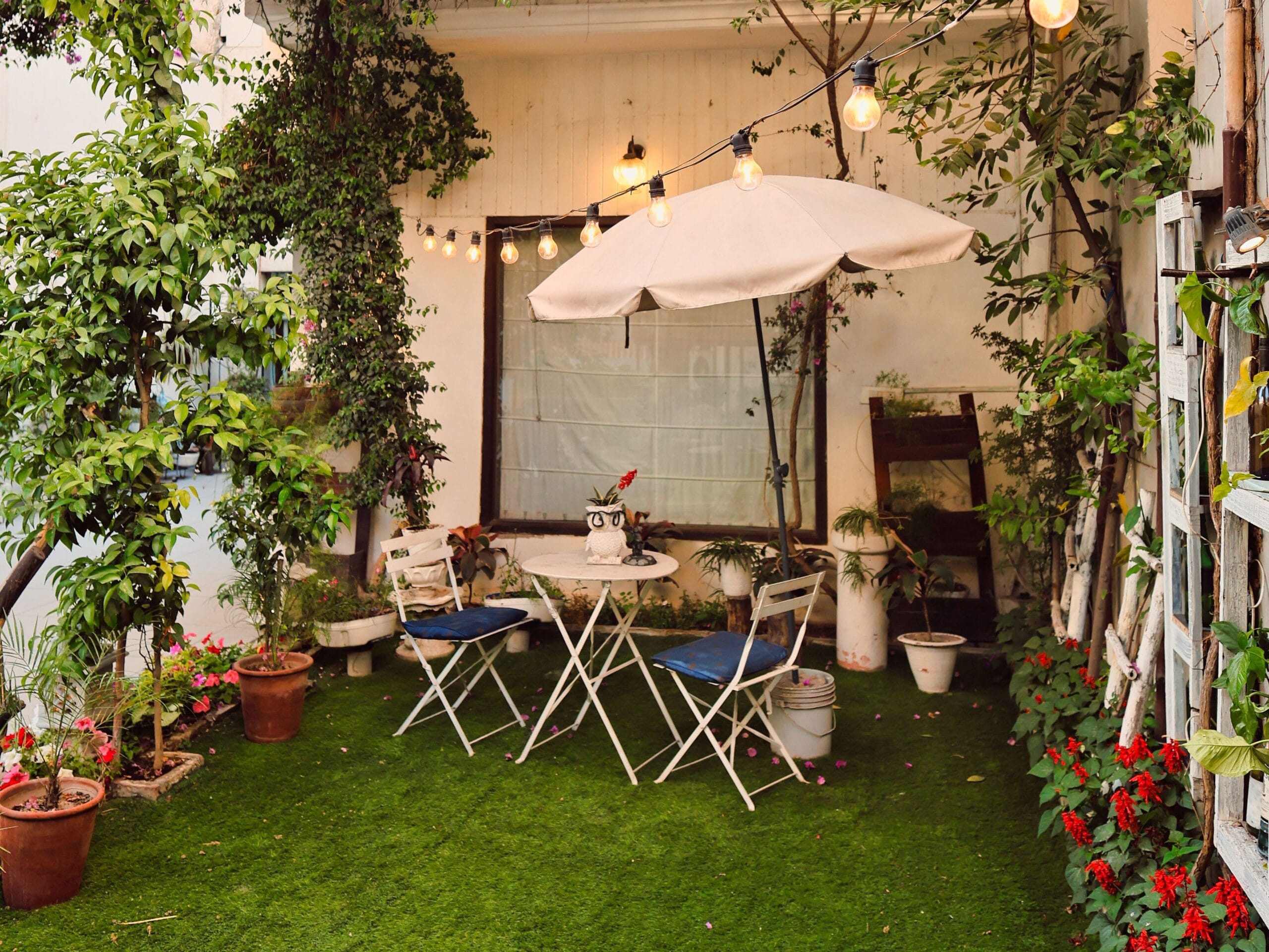
Even a compact backyard can include a comfortable place to sit if it is planned carefully. A small bench, bistro table, or pair of chairs tucked into a quiet corner creates somewhere to relax and enjoy the garden after the work is finished. Position seating where you can appreciate your favorite planting beds or enjoy morning and evening sunlight. Keeping the furniture proportional to the available space ensures it complements the garden instead of making it feel cramped.
Review the Layout Before You Start Planting
Before digging the first hole, walk through your planned layout one final time. Use rope, garden hoses, stakes, or spray marking paint to outline future beds, pathways, and seating areas so you can experience the layout at full size. This simple step often reveals adjustments that are difficult to notice on paper, such as narrow walkways or planting beds that are too large. Making changes before planting begins is much easier than moving established plants later, and it helps ensure the finished garden feels balanced and functional.
Garden Tip
Live with your planned layout for a day or two before starting construction. Seeing it from different angles and at different times of day often leads to small improvements that make a big difference.
Frequently Asked Questions
How do you plan a small backyard garden layout?
How to plan a small backyard garden layout starts by measuring the space, identifying sunny and shaded areas, dividing the yard into functional zones, planning walkways, and choosing a focal point before planting anything.
What is the best layout for a small backyard garden?
The best layout depends on how you use the space, but most small gardens benefit from clear pathways, defined planting zones, vertical gardening, and a single focal point that ties the design together.
Should I sketch my garden layout first?
Yes. A simple sketch helps you organize planting beds, seating areas, and pathways while preventing overcrowding and making better use of the available space.
How can I make a small backyard garden feel bigger?
Use curved pathways, vertical planting, layered landscaping, repeating plant varieties, and a consistent color palette. Leaving some open space also makes the garden feel more spacious than filling every corner.
Bottom Line
Learning how to plan a small backyard garden layout is the foundation of creating an outdoor space that is both attractive and practical. Measuring carefully, dividing the yard into functional zones, planning pathways, and choosing the right focal point all help every square foot work more efficiently.
Take your time before planting and allow the layout to guide every decision. A well planned garden is easier to maintain, more enjoyable to spend time in, and will continue to improve as plants grow and mature over the years.