

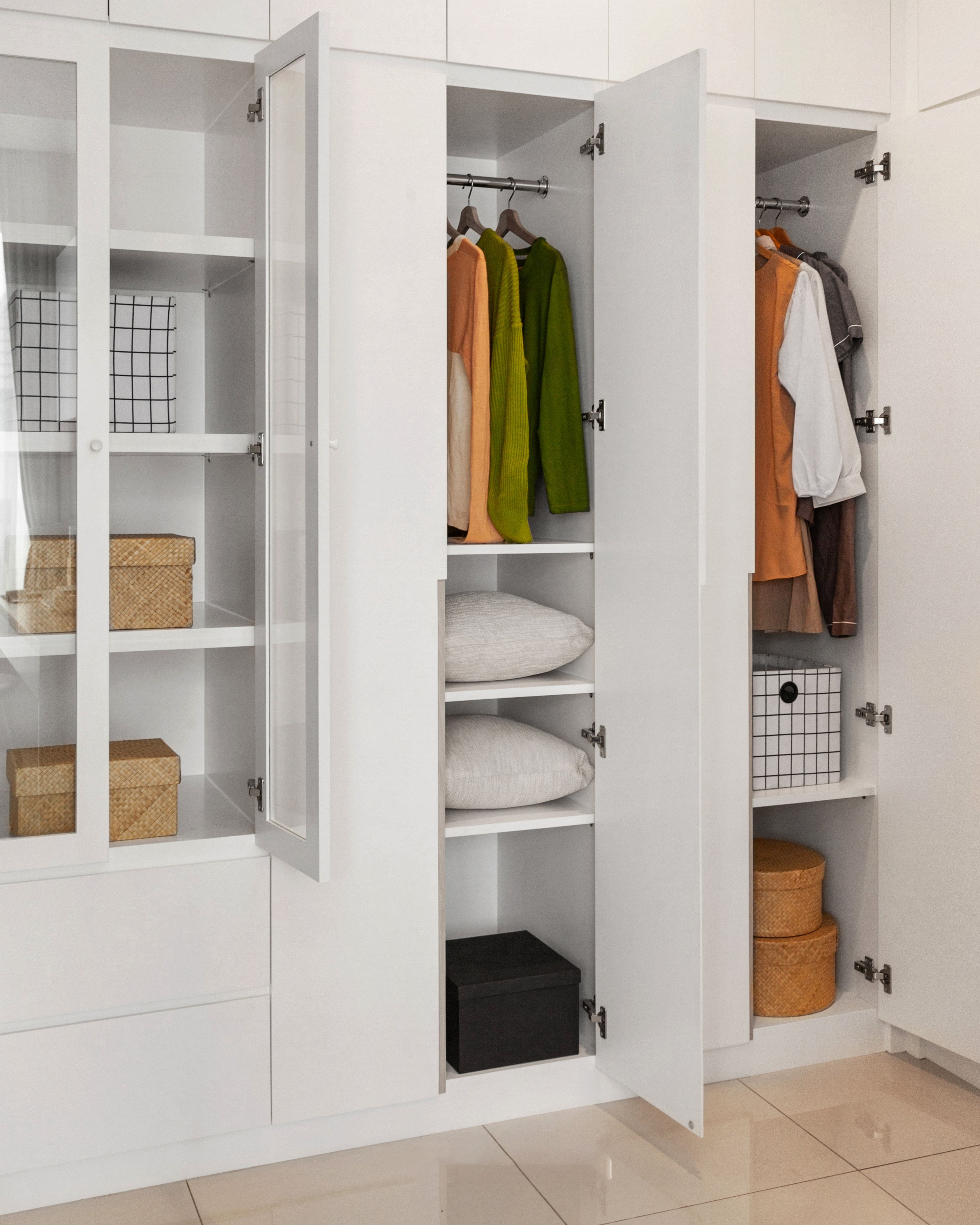
The easiest way to organize a small closet without feeling overwhelmed is to work in small sections, remove items you no longer use, and give the clothes you keep a clear place to go. When learning how to organize a small closet, do not try to empty the entire closet at once. Start with one shelf, section of hanging clothes, or drawer, then sort, organize, and move to the next area. This makes the process much more manageable while creating a system you can actually maintain.
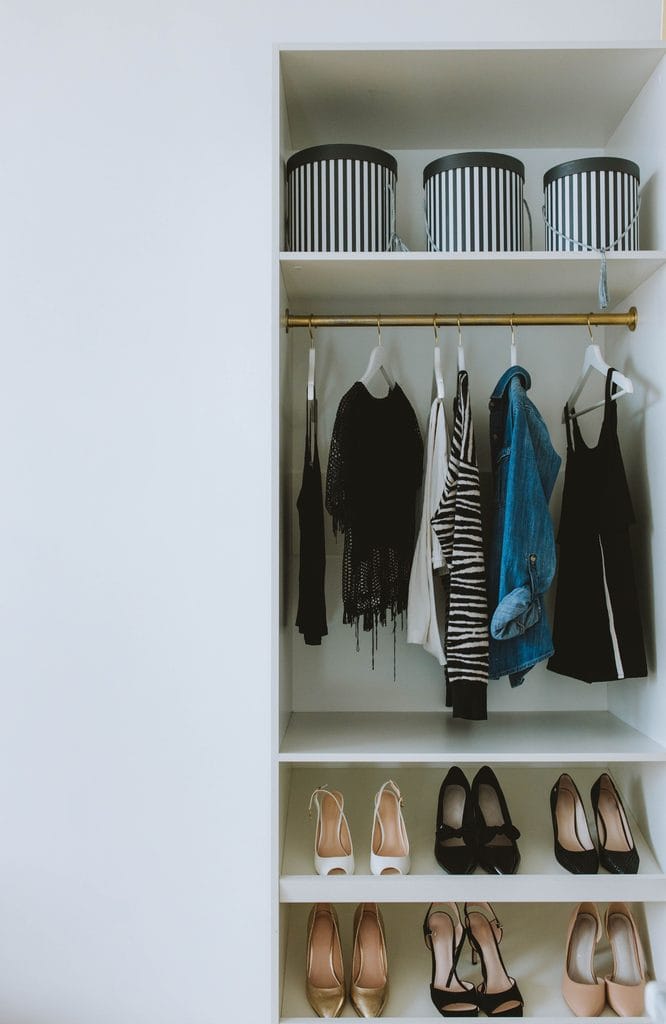
Small closets often become difficult to use because too many things are packed into limited space. Clothes get pushed to the back, accessories become mixed together, and items that are worn regularly become difficult to reach. A simple organization system can improve visibility and make getting dressed much easier without requiring expensive storage products.
Start With One Small Section
Trying to organize an entire closet in one session can quickly become exhausting, so begin with one manageable area. Choose a drawer, one shelf, or a small section of hanging clothes and remove only those items. Sort them into things you wear regularly, things you rarely use, and things you no longer need. Completing one small section gives you visible progress and makes it easier to continue without creating a huge pile of clothing across the room.
Remove Clothes You Never Wear

A small closet becomes much easier to organize when it is not holding clothes you never use. Look for items that no longer fit, pieces you have not worn in a long time, damaged clothing, and things you repeatedly skip when choosing an outfit. Keep only the pieces that are useful, comfortable, or genuinely important to you. Reducing the amount of clothing creates more room for the pieces you actually wear and makes every storage area easier to manage.
Pro Tip
Instead of asking whether you might wear something someday, ask whether you would choose it today. This can make difficult decisions much easier.
Group Similar Clothing Together
Once you have removed unnecessary items, group similar clothing so everything becomes easier to find. Keep shirts together, then pants, dresses, jackets, or other categories that match your wardrobe. You can also separate everyday clothing from occasional pieces so the items you use most frequently remain easiest to reach. Grouping similar items creates a simple visual system that makes a small closet feel more organized even when storage space is limited.
Use Vertical Space
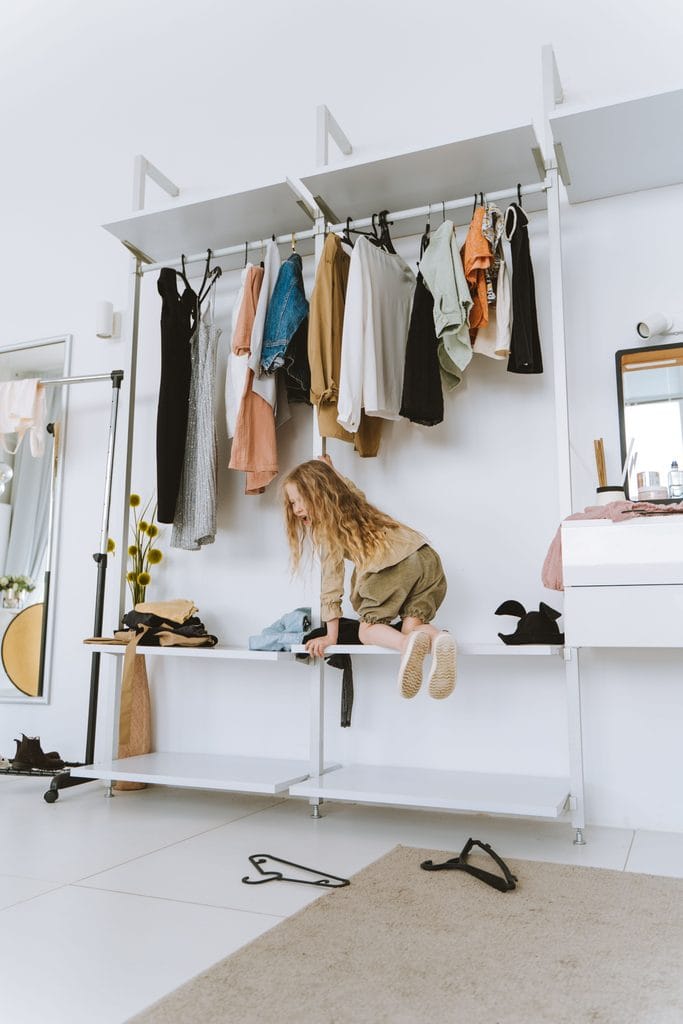
When floor and hanging space are limited, look upward. Shelf risers, stackable bins, hanging organizers, and additional shelves can make better use of the vertical space inside the closet. Store less frequently used clothing or accessories higher up while keeping everyday pieces within easy reach. Using vertical space can significantly increase storage capacity without requiring a larger closet.
Make Use of the Door
The inside of the closet door can provide extra storage for accessories that would otherwise take up shelf or drawer space. Hooks, hanging organizers, narrow racks, and small baskets can hold scarves, belts, handbags, hats, or other lightweight items. Keeping these smaller pieces on the door also makes them easier to see, which reduces the chance of forgetting what you already own.
Quick Fix
Add a few sturdy hooks to the inside of the closet door for bags, scarves, or frequently used accessories. It is a simple way to create extra storage without taking up shelf space.
Keep Everyday Items at Eye Level
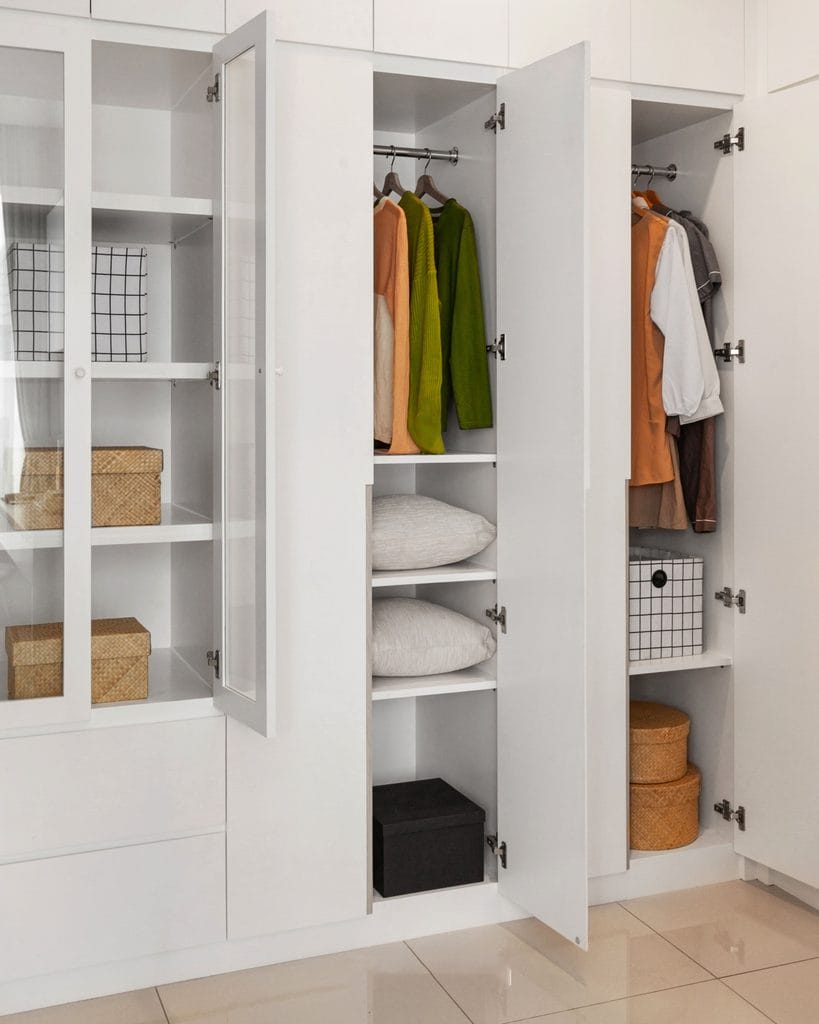
The easiest way to keep a small closet functional is to reserve the most convenient storage areas for the things you use most often. Hang everyday clothing where it is easy to see and keep frequently worn shoes or accessories within reach. Seasonal clothing, formal pieces, and occasional items can go higher up or toward the back. Matching storage accessibility to frequency of use makes the entire closet more practical.
Use Matching Hangers
Matching hangers can make a small closet look more organized while allowing clothing to hang more evenly. Slim hangers can also reduce the amount of space used by each garment, giving you more room without changing the closet itself. Choose one hanger style and use it consistently for most of your clothing. The simple visual uniformity makes it easier to see each item and creates a cleaner appearance.
Time Saver
Choose your outfit for the next day while putting clothes away. This combines two tasks and helps prevent clothing from being left on chairs, floors, or other surfaces.
Create a Simple Maintenance Habit

Once your closet is organized, maintaining it should not require another major cleanout every few weeks. Return clothes to their designated areas after wearing or washing them, avoid putting unwanted items back into the closet, and review one small section whenever it begins to feel crowded. Spending a few minutes maintaining the system is much easier than waiting until the entire closet becomes difficult to use again.
Frequently Asked Questions
How do I organize a small closet without getting overwhelmed?
Start with one small section instead of emptying the entire closet. Remove items you no longer use, group what remains, and organize one area before moving to the next.
What should I remove from a small closet?
Look for clothing that does not fit, damaged pieces, items you never wear, duplicates, and things that no longer suit your lifestyle. Removing these items creates more useful storage space.
How do I create more space in a small closet?
Use slim hangers, vertical organizers, shelf risers, hooks, door storage, and stackable containers. Reducing the number of items also creates more usable space.
Should everyday clothes be stored differently?
Yes. Keep frequently worn items in the easiest areas to reach, while seasonal or occasional clothing can go into higher shelves or less convenient storage areas.
How often should I organize my closet?
A small monthly review can prevent clutter from building up. You can also reset a single section whenever it begins to feel crowded.
Bottom Line
Knowing how to organize a small closet is less about creating a perfect system and more about reducing clutter and making everyday items easy to find. Work in small sections, remove what you no longer use, group similar clothing, use vertical and door storage, and keep your most frequently worn pieces within easy reach.
A small closet can stay manageable when the system is simple enough to maintain. Focus on making the space easier to use rather than trying to fit as much as possible inside it.