

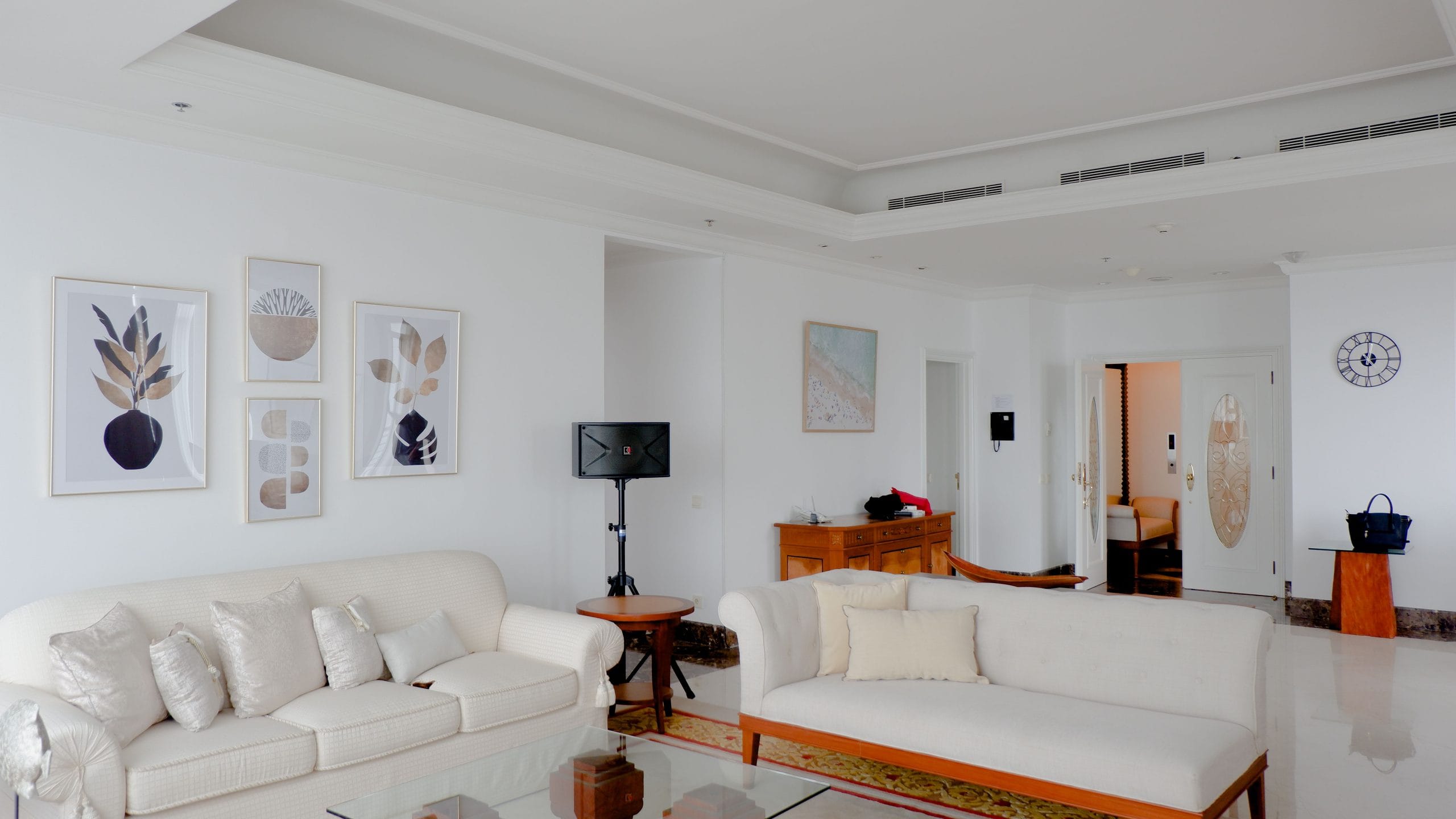
The easiest way to mix furniture styles is to keep the colors, proportions, or materials connected while allowing the individual pieces to have different shapes and personalities. When learning how to mix furniture styles, start with one main style as the foundation, then add a few contrasting pieces that share at least one detail with the rest of the room. This creates a collected look without making every piece match.
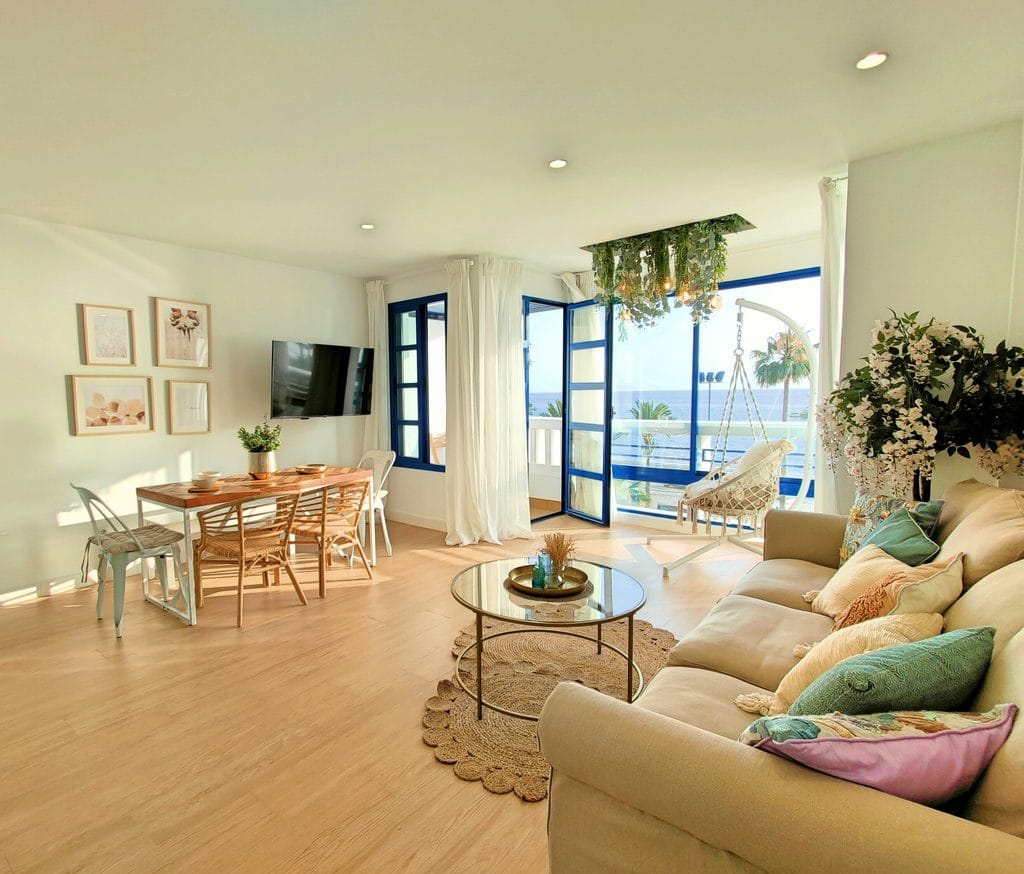
A room can feel much more interesting when furniture comes from different collections or periods. The challenge is knowing which differences add character and which ones simply make the room feel disconnected. A few simple rules can help you mix modern, traditional, vintage, rustic, or contemporary pieces without overthinking every choice.
Start With One Main Style
Choose one style to act as the foundation for the room, then use other styles as accents. For example, a modern sofa can become the main piece while a vintage coffee table and traditional accent chair add character around it. This keeps the room visually grounded while still allowing different furniture styles to appear. The main style does not need to dominate every item, but it should provide a clear direction for the overall space.
Repeat One Color
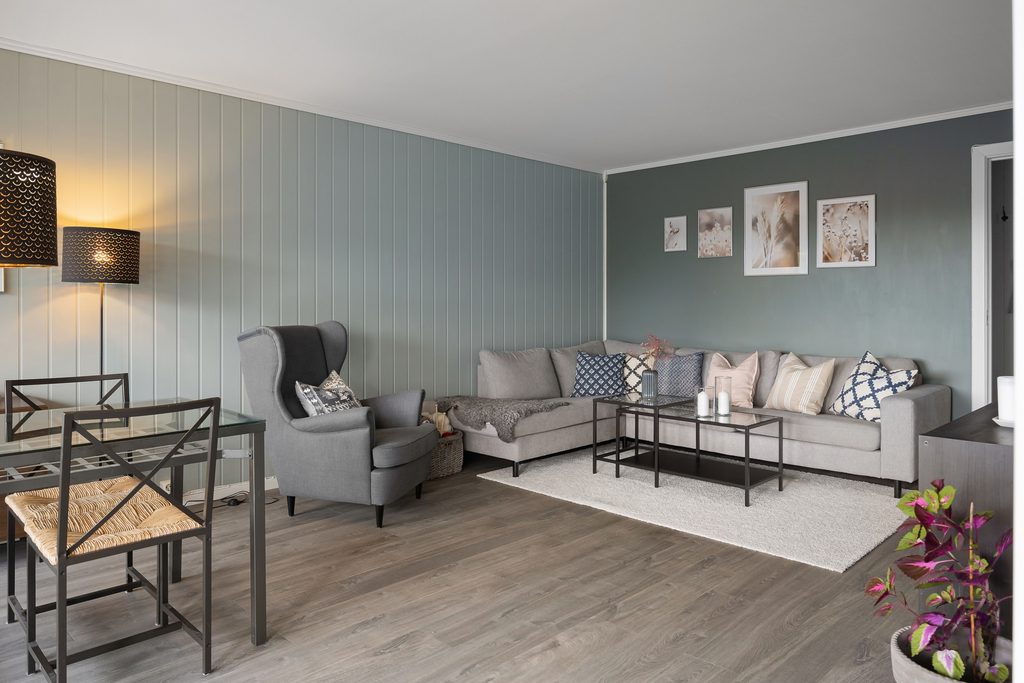
Repeating a color is one of the easiest ways to make different furniture styles feel connected. A beige sofa can work with a dark wood table and a black metal chair when those colors appear again through the rug, cushions, curtains, or artwork. You do not need exact color matches. Repeating a few shades throughout the room creates enough continuity for contrasting pieces to feel intentional.
Pro Tip
Choose one color that appears in at least three areas of the room. This simple repetition can make very different furniture pieces feel like they belong together.
Keep the Proportions Balanced
Furniture can have completely different styles and still work beautifully when the proportions make sense together. Avoid pairing a very bulky sofa with several tiny tables or extremely delicate chairs that disappear beside it. Compare the height, width, depth, and overall visual weight of each piece before adding it to the room. Balanced proportions create a stronger connection between furniture than matching styles alone.
Mix Materials With Intention
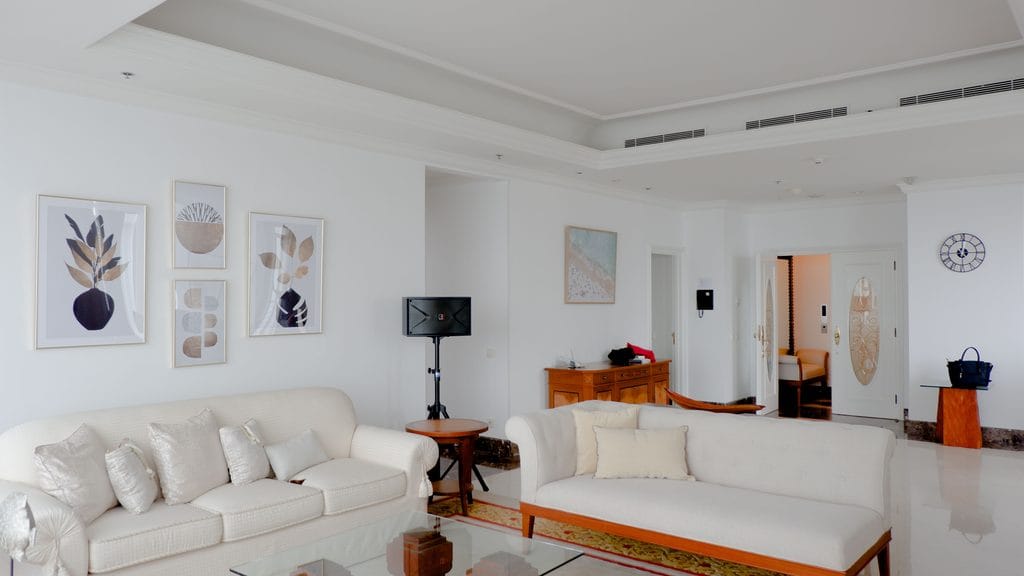
Different materials can help furniture styles blend rather than compete. A wooden coffee table can work with an upholstered sofa and metal framed chairs when the materials are repeated elsewhere in the room. Use wood, metal, glass, leather, stone, or woven materials in a controlled way rather than introducing every finish at once. Repeating one or two materials gives the room enough connection while still allowing the furniture to feel varied.
Repeat a Shape
Repeating shapes can create subtle harmony between furniture pieces that look very different at first. A curved chair can work with a round mirror or circular coffee table, while a sofa with straight lines can pair naturally with a rectangular table and structured shelving. You do not need identical shapes throughout the room. Repeating one shape in a few places gives the eye a visual connection between otherwise different pieces.
Quick Fix
If two furniture pieces look mismatched, add a smaller item that connects them through shape or material. A rounded lamp, wood frame, or matching cushion can help bridge the difference.
Mix Old and New Pieces
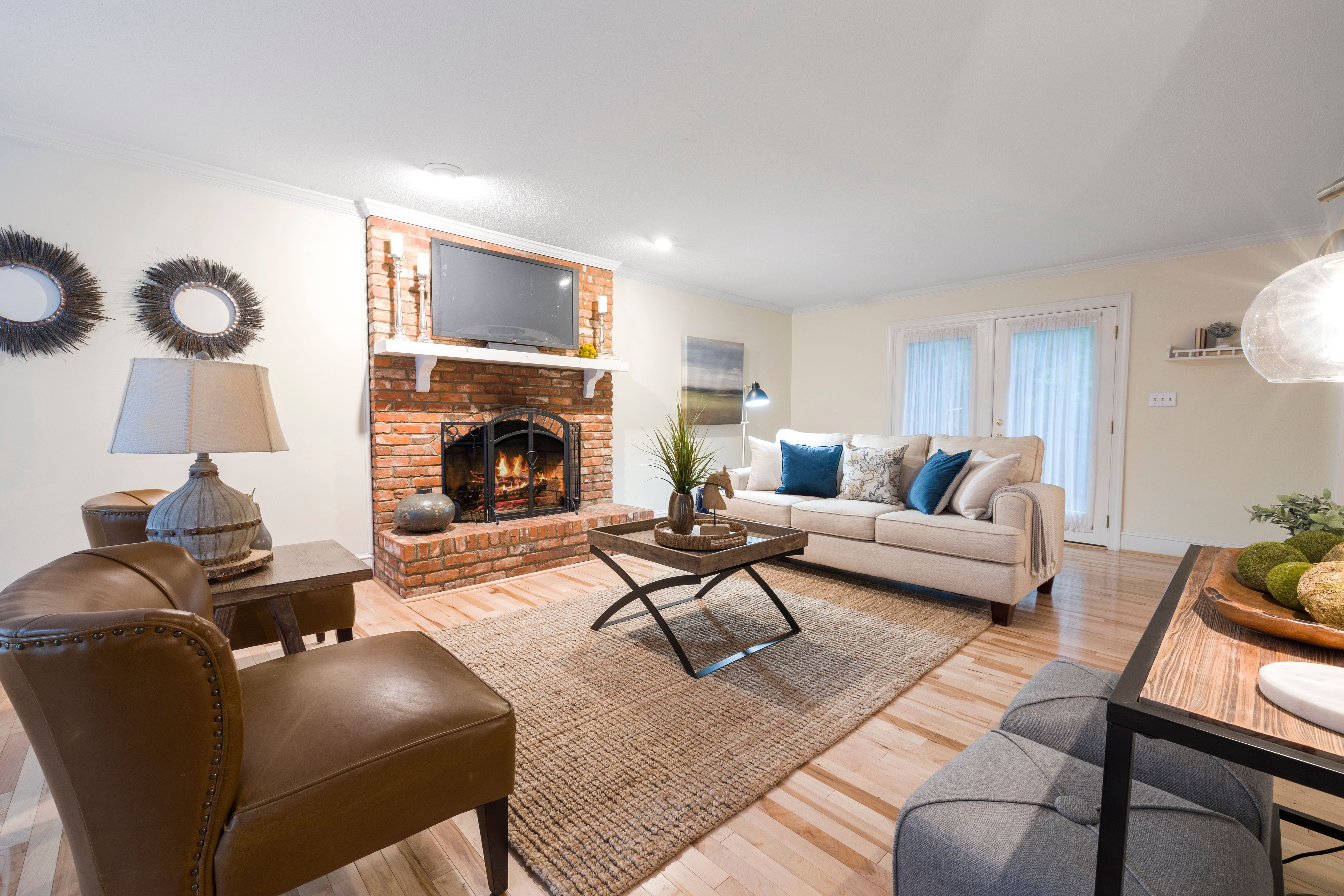
Combining older and newer furniture can give a room more personality and prevent it from looking like everything was purchased at the same time. A vintage dresser can work beside a simple modern chair, while a contemporary sofa can sit naturally with an older wooden table. The key is to connect the pieces through color, scale, or material so the contrast feels deliberate. This approach can also make a room feel more personal because the furniture tells a more varied story.
Use the Rug to Connect Everything
A rug can act as the visual bridge between different furniture styles. Choose a rug that includes at least one color from several of the main pieces so the seating area feels connected even when the furniture itself is varied. A subtle pattern can also bring together traditional and modern elements without requiring any furniture to match. Make sure the rug is large enough to anchor the main seating rather than leaving each piece visually separate.
Keep the Background Simple
Walls, curtains, and larger surfaces can provide a quieter backdrop when the furniture has several different styles. Warm white, cream, beige, soft gray, or other restrained shades allow furniture to provide most of the visual interest. A simpler background also makes it easier to introduce another contrasting piece later without making the room feel too busy. When the furniture is varied, the surrounding elements should usually be more controlled.
Time Saver
Take a photo of the entire room after arranging the furniture. Looking at the room in a photo can make it easier to notice which pieces feel connected and which one seems out of place.
Give Each Room Some Breathing Space
Mixing furniture styles does not mean filling every available corner with another interesting piece. Leave enough open space between furniture so each item can be appreciated on its own. A room with several different styles can quickly feel chaotic when too many pieces are packed together. Fewer pieces with stronger relationships usually create a more relaxed and intentional result.
Frequently Asked Questions
How do I mix furniture styles without making a room look mismatched?
Choose one main style as your foundation and connect contrasting pieces through repeated colors, materials, shapes, or proportions. The pieces can look different while still sharing a visual relationship.
Can modern and traditional furniture work together?
Yes. A modern sofa can pair with a traditional table or vintage chair when the colors, scale, and surrounding décor help connect the pieces.
How many furniture styles should I mix in one room?
There is no fixed number, but keeping one style dominant and introducing one or two additional influences usually creates a balanced result. Too many unrelated styles can make the room feel visually confusing.
Do all wood furniture pieces need to match?
No. Different wood finishes can work together when their undertones are compatible or when rugs and textiles create enough separation between them.
What is the easiest way to make mismatched furniture look cohesive?
Repeat a few colors and materials throughout the room. A common rug, similar wood tone, matching metal finish, or repeated accent color can quickly connect different furniture pieces.
Bottom Line
Knowing how to mix furniture styles is really about creating connections rather than finding matching pieces. Use one main style as your foundation, then mix in contrasting furniture through repeated colors, balanced proportions, related materials, and familiar shapes.
You do not need every piece to coordinate perfectly. When there is enough visual connection and enough breathing room, different furniture styles can make a room feel collected, personal, and much more interesting.