

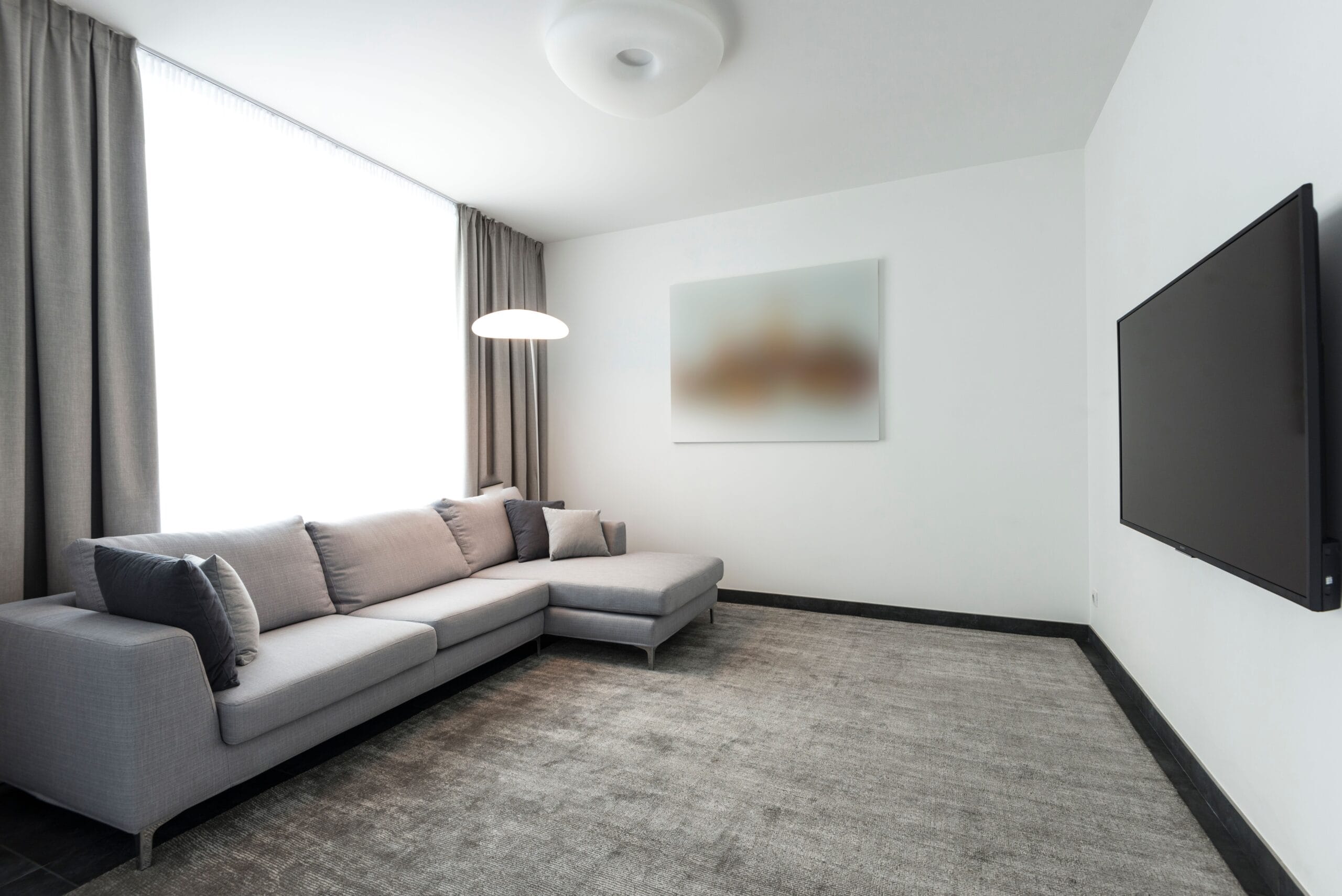
The easiest way to make a living room with low ceilings feel more open is to keep the visual weight low, draw the eye upward, maximize natural light, and avoid bulky furniture that makes the ceiling feel even lower. Use light wall colors, low profile seating, floor length curtains, mirrors, and carefully placed vertical details to create more visual height. When considering how to decorate a living room with low ceilings, the goal is to make the room feel lighter and taller without sacrificing comfort.
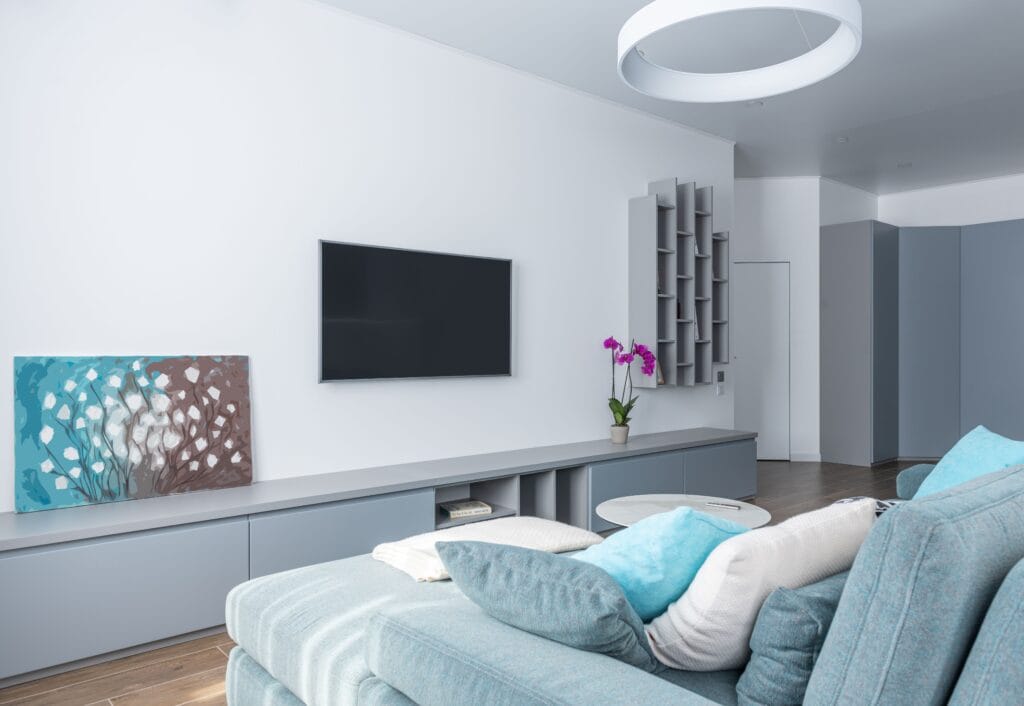
Low ceilings can make a living room feel cozy, but too much furniture, dark colors, or heavy lighting can make the space feel enclosed. Small changes to the furniture, windows, lighting, and wall décor can create a noticeable difference without changing the structure of the room.
Choose Low Profile Furniture
Furniture with a lower visual height can make more wall space visible above the seating and create the impression of a taller room. Look for sofas with lower backs, streamlined arms, open legs, and simple silhouettes. Choose a coffee table and side tables that do not rise too high around the seating area. Keeping the furniture lower does not mean choosing uncomfortable pieces. Focus on comfortable proportions while avoiding bulky designs that visually crowd the room.
Hang Curtains Higher
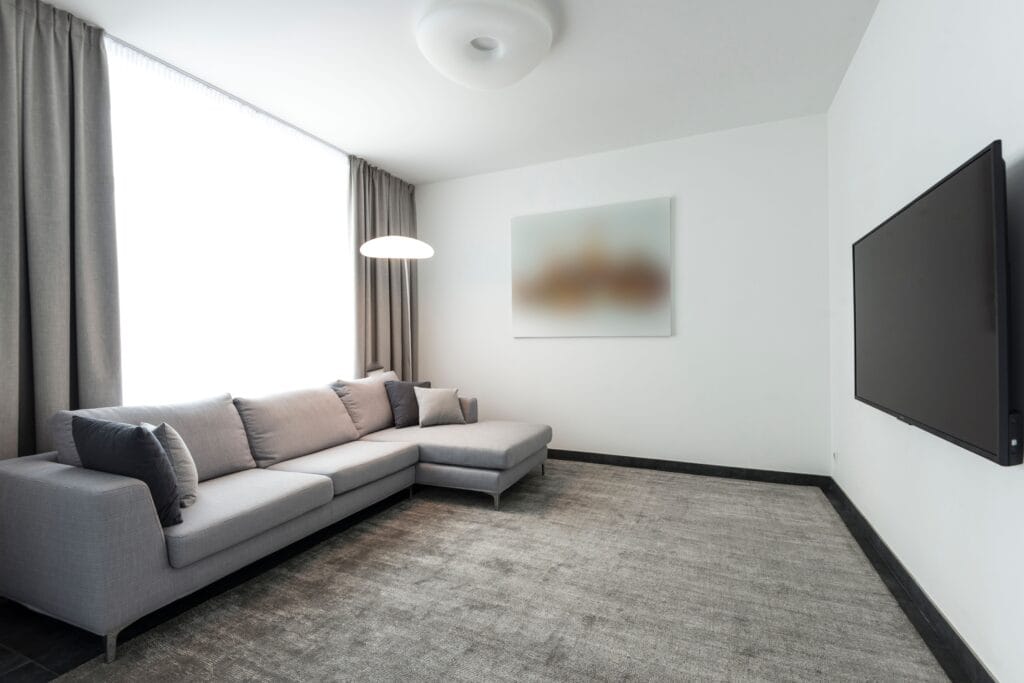
Mounting curtain rods higher than the window frame can draw the eye upward and make the windows appear taller. Choose floor length curtains that fall close to the floor and use lightweight fabrics when possible so the windows remain visually open. Curtains that closely match the wall color can create even more continuity because there is less visual interruption between the window and surrounding wall.
Pro Tip
Extend the curtain rod beyond both sides of the window so the fabric sits mostly beside the glass when open. This allows more light into the room and makes the window feel wider.
Use Light Wall Colors
Light wall colors can help a low ceiling feel less visually heavy by reflecting more available light around the room. Warm white, cream, pale beige, soft gray, and other light neutrals can create an open foundation without making the space feel stark. Keeping the ceiling slightly lighter than the walls can also help draw attention upward. If you want stronger color, introduce it through furniture, artwork, cushions, or smaller accents rather than covering every large surface in a dark shade.
Add a Large Mirror
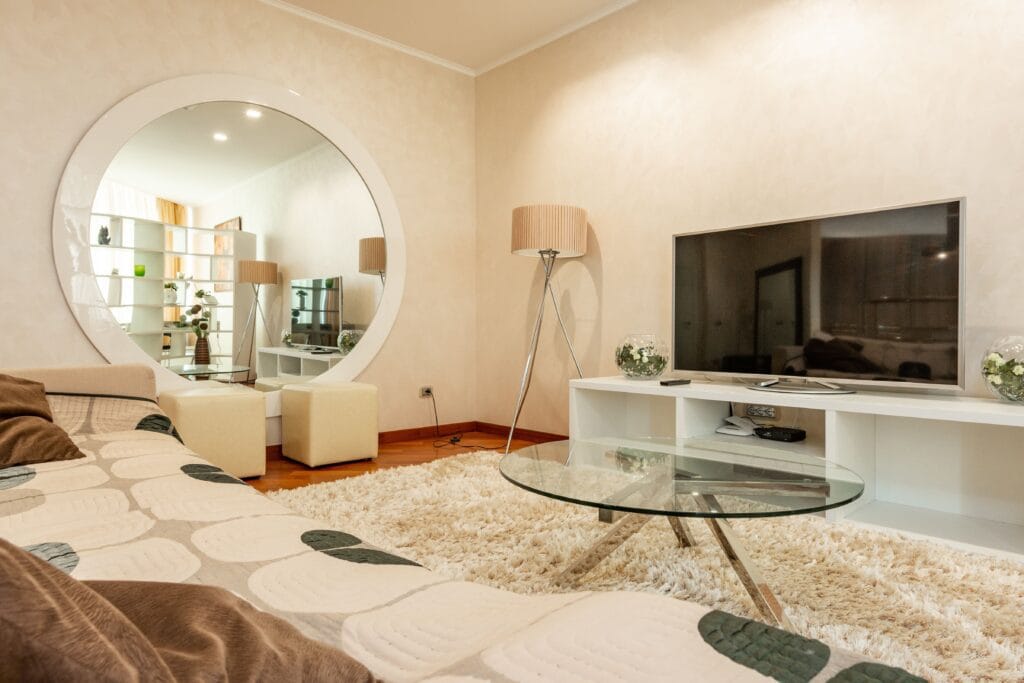
A large mirror can reflect light and create a stronger sense of depth, particularly when positioned opposite a window or another bright area. Choose a simple frame that complements the furniture and place the mirror where it reflects something attractive rather than a cluttered corner. One substantial mirror usually creates more visual impact than several small ones and can help the room feel brighter without taking up floor space.
Keep the Ceiling Visually Simple
A low ceiling benefits from a clean appearance, so avoid overly heavy chandeliers, large decorative ceiling details, or fixtures that hang too far into the room. Choose a flush mount fixture, slim pendant, recessed lighting, or another low profile option that provides enough illumination without drawing the ceiling downward. Keeping the ceiling relatively uncluttered lets the eye move upward more easily and preserves the sense of openness created by the lighter walls.
Quick Fix
Replace a bulky hanging fixture with a low profile ceiling light if the room feels cramped overhead. The extra visual space can make a noticeable difference.
Use Vertical Décor
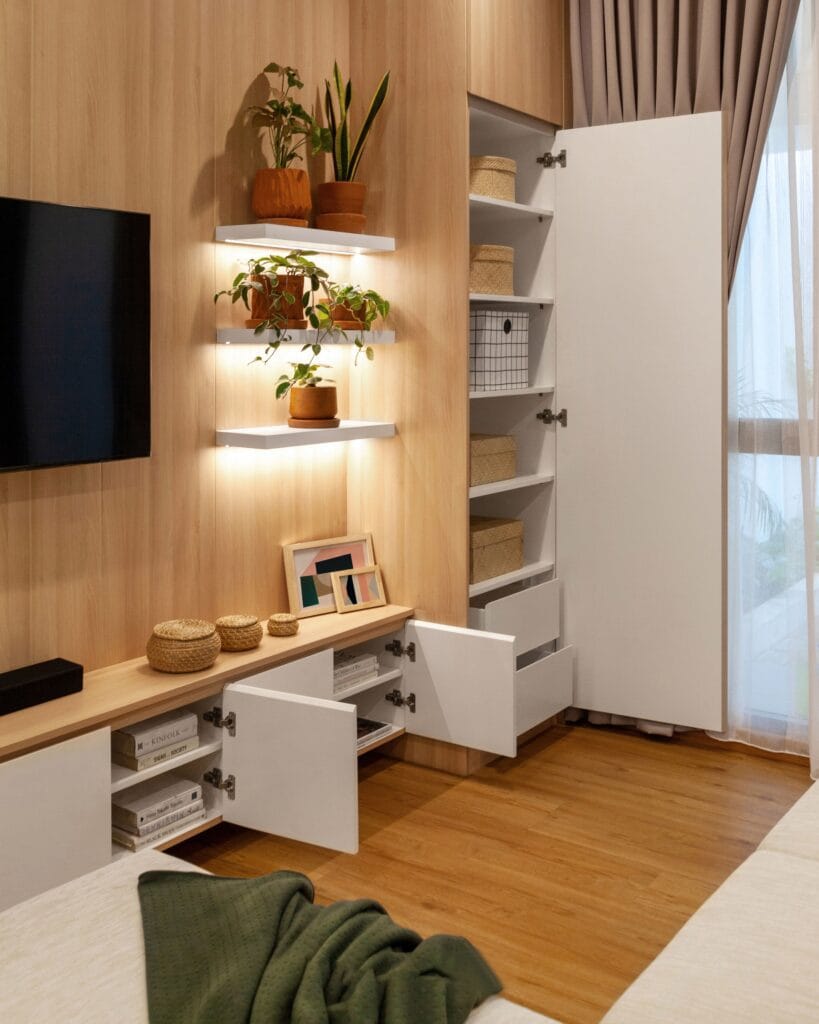
Vertical details can encourage the eye to travel upward even when the ceiling itself is low. A tall narrow plant, vertically oriented artwork, slim bookcase, or elongated mirror can create this effect without taking up much floor space. Avoid filling the entire wall with small horizontal displays because they can emphasize the width of the room rather than its height. A few taller elements are usually more effective.
Keep the Floor Open
Visible floor space can make a living room feel larger and less enclosed. Avoid oversized cabinets, bulky side tables, and unnecessary furniture that takes up the lower part of the room. Furniture with raised legs can also help because more of the floor remains visible beneath the pieces. Keep the main walking paths clear so the room feels easier to move through and less crowded.
Time Saver
Take a photo of the room from the doorway and look at the lower half of the image. Removing one unnecessary piece of furniture can reveal more floor and make the entire room feel lighter.
Layer Lighting at Different Heights
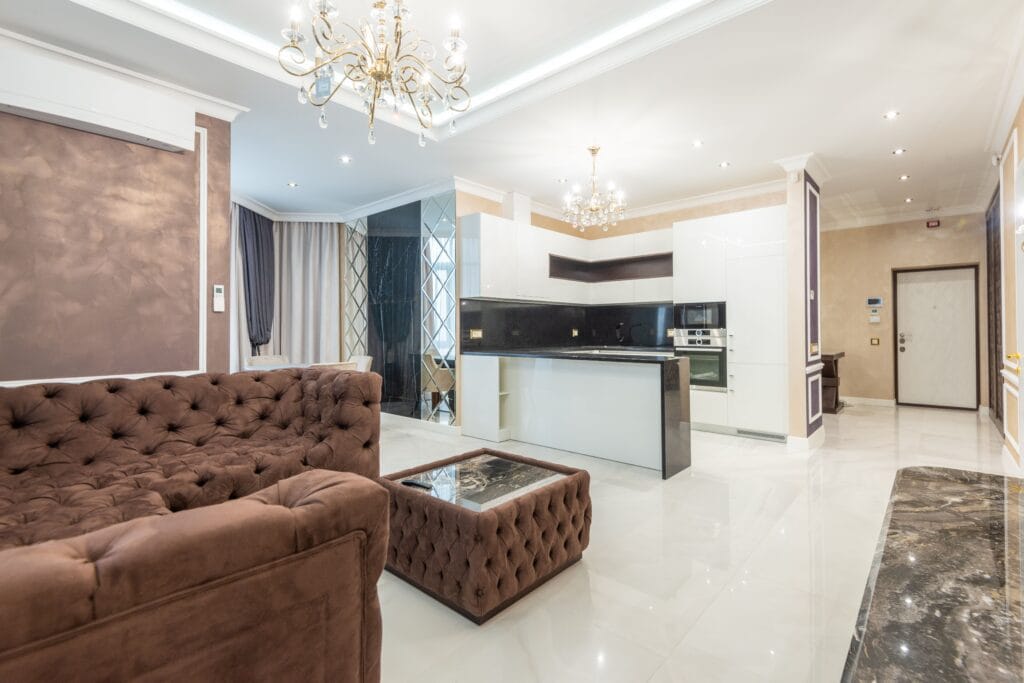
Layered lighting can make a low ceiling feel less restrictive by distributing light around the room instead of concentrating it overhead. Combine table lamps, floor lamps, wall lights, and low profile ceiling fixtures so illumination comes from several levels. Warm light can make the room feel comfortable while strategically placed lamps can highlight artwork, plants, and other vertical details. The result is a more balanced room that does not depend entirely on a single ceiling fixture.
Frequently Asked Questions
How do I make a low ceiling living room look taller?
Use low profile furniture, light wall colors, high curtain rods, vertical artwork, tall plants, mirrors, and layered lighting. Keeping the ceiling visually simple also helps.
What color makes a low ceiling look higher?
Light shades such as warm white, cream, pale beige, and soft gray can help create a more open appearance. A lighter ceiling can also draw the eye upward.
Should curtains touch the floor?
Floor length curtains usually create a stronger sense of height. Hanging the rod higher and allowing the fabric to fall close to the floor can emphasize vertical lines.
Does dark furniture make a low ceiling look lower?
It can when the room already has many dark surfaces because darker furniture often has more visual weight. Balance it with lighter walls, open space, and furniture with raised legs.
What lighting is best for a low ceiling?
Low profile ceiling fixtures combined with table lamps, floor lamps, and wall lights can provide layered illumination without making the ceiling feel crowded.
Bottom Line
Knowing how to decorate a living room with low ceilings is mainly about creating visual openness rather than trying to physically change the height. Low profile furniture, light colors, high curtains, mirrors, vertical décor, open floors, and layered lighting can all help the room feel taller and brighter.
Keep the ceiling simple, avoid excessive visual weight, and use vertical details sparingly. When more floor and wall space remain visible, the living room naturally feels more open without needing any structural changes.