

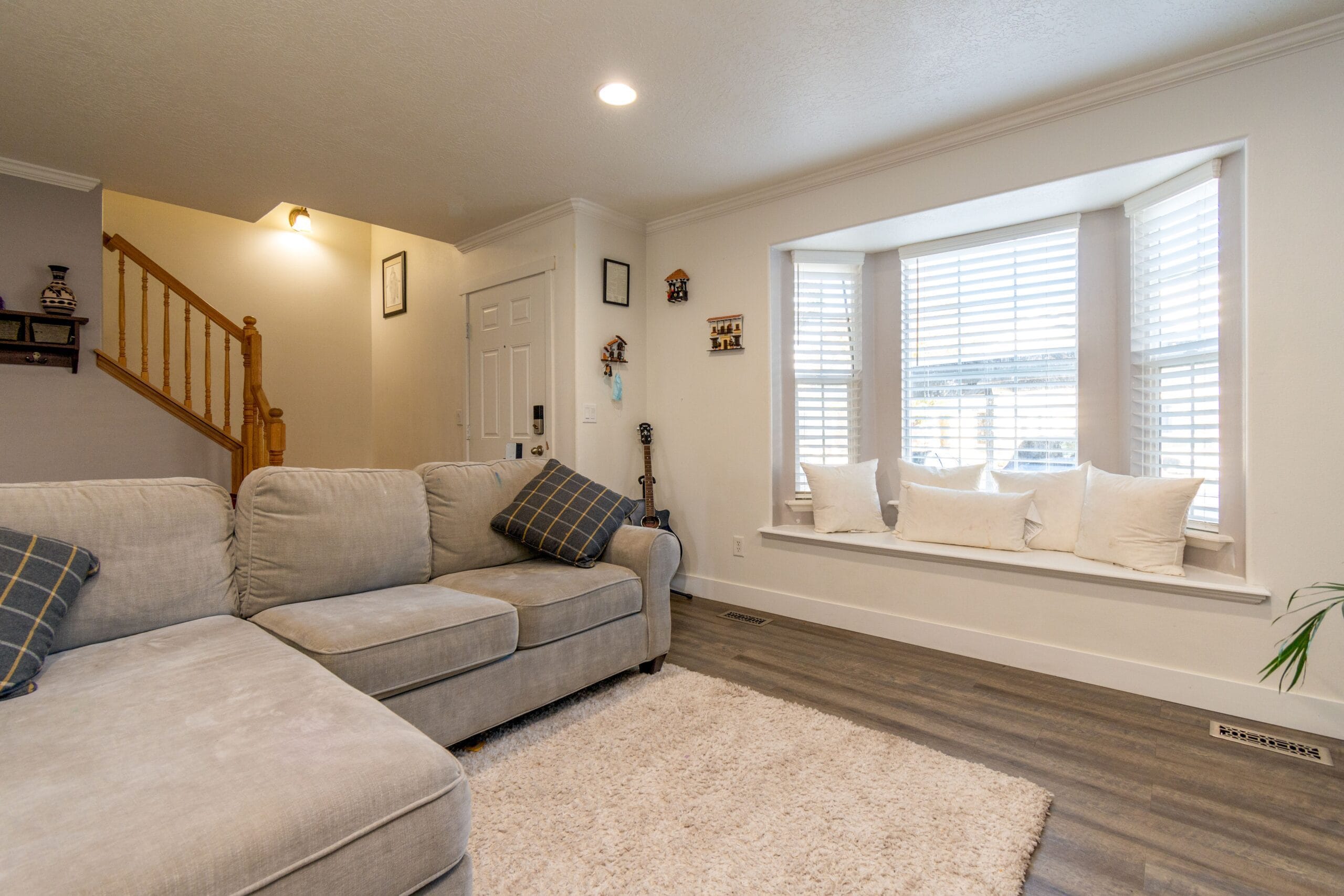
The easiest way to turn a bay window into a favorite living room spot is to give the area a clear purpose and keep the furniture comfortable, compact, and low enough to preserve the view. Add a cushioned chair or bench, a small table, soft lighting, and simple curtains, then bring in a few personal details that make you want to spend time there. Learning how to decorate a living room with a bay window is really about taking advantage of the natural light and extra space without hiding the architectural feature that makes the room special.
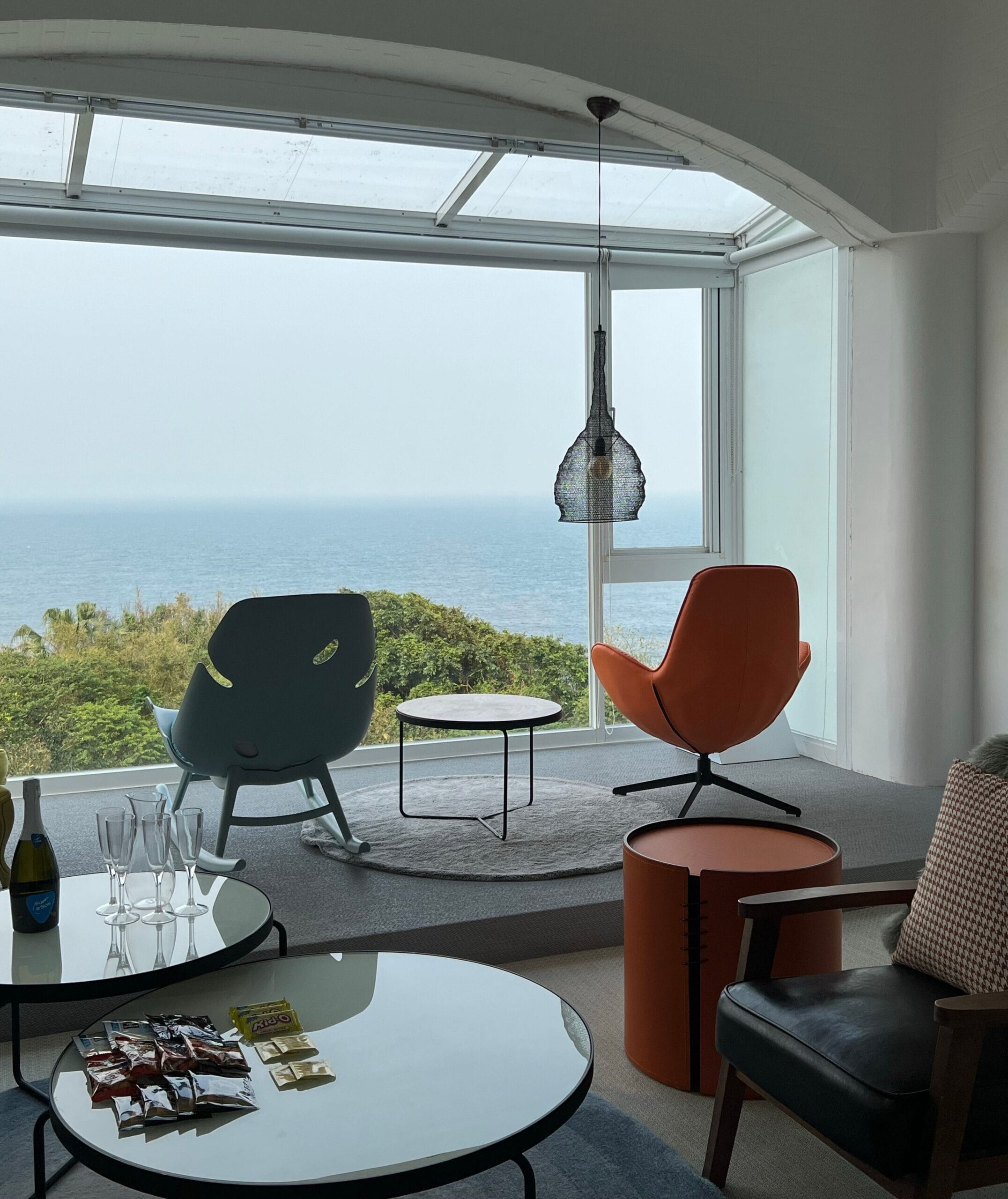
A bay window can become much more than a source of natural light. It can provide a quiet reading corner, extra seating, a place to enjoy morning coffee, or a comfortable spot to look out at the garden. The right furniture and accessories can make this area feel connected to the rest of the living room while still giving it its own purpose.
Create a Cozy Reading Nook
A bay window is naturally suited to a reading nook because it provides daylight and a defined area away from the main seating. Place a comfortable armchair or compact lounge chair where you can enjoy the view, then add a small side table for books and drinks. A soft throw and cushion can make the chair more inviting without taking up much additional space. Keep the furniture relatively low so the window remains visible from across the room.
Pro Tip
Place the chair at a slight angle toward the room instead of pointing it completely toward the window. This lets you enjoy the view while still feeling connected to the rest of the living room.
Add a Comfortable Window Seat
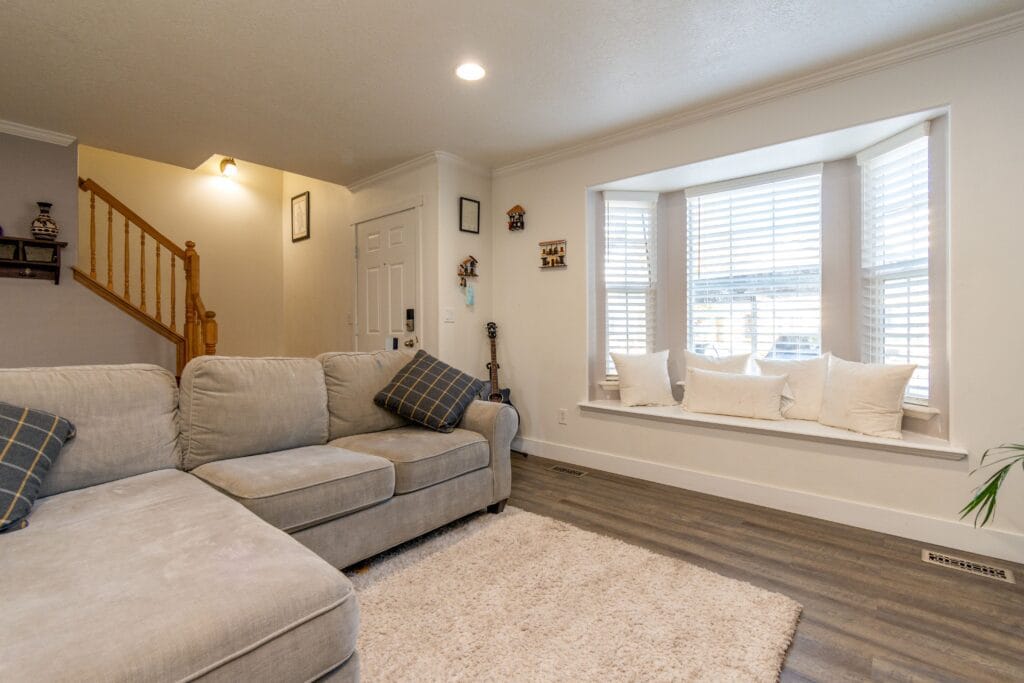
A fitted window seat can turn unused bay window space into practical seating that feels built into the architecture. Add a thick cushion across the seat and a few pillows for comfort, then use the area underneath for hidden storage if the design allows it. Keep the upholstery in a color that complements the rest of the living room so the seat feels like part of the overall design. A window seat can also provide extra seating when guests visit without requiring another freestanding chair.
Choose Curtains That Frame the Window
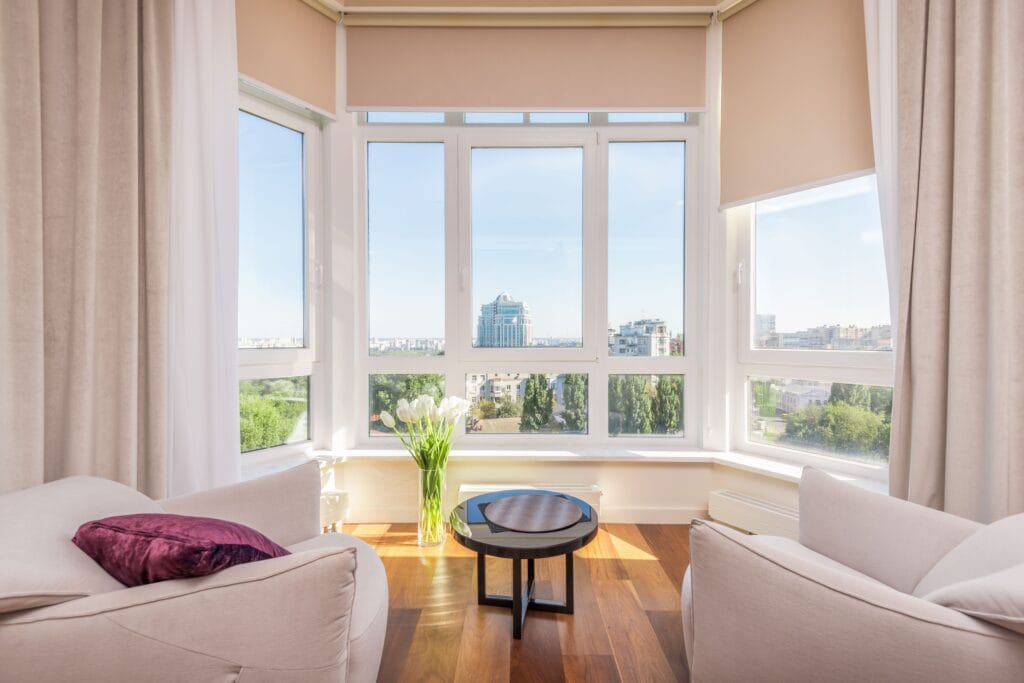
Curtains should enhance the shape of the bay window rather than cover it completely. Use lightweight panels that can be pulled away from the glass when you want maximum daylight and an uninterrupted view. Floor length curtains can soften the architecture and make the windows feel taller, while a neutral fabric can keep the area feeling open. Add a second layer when you need more privacy in the evening without sacrificing the softer appearance during the day.
Add a Small Side Table
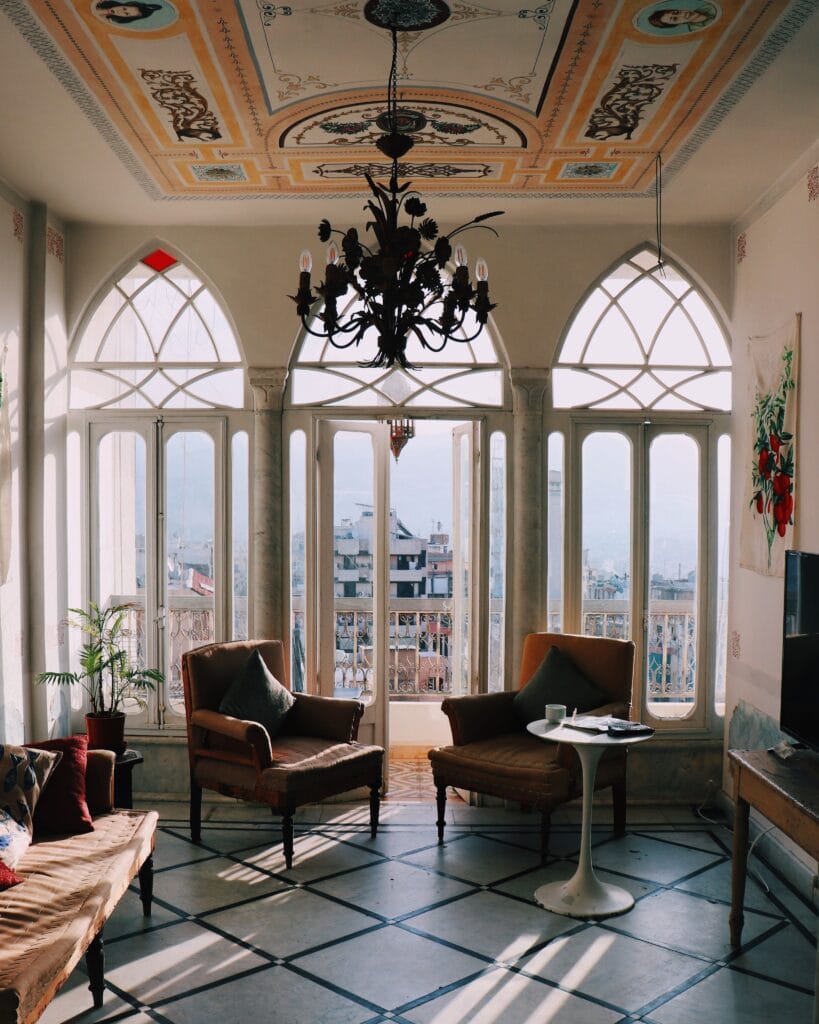
A small side table can make a bay window seating area much more useful without taking over the space. Choose a narrow round table, compact wood table, or small pedestal design that can hold a drink, book, lamp, or decorative object. Avoid oversized tables that make the area feel crowded or interfere with the main path through the living room. The ideal table should support the seating without becoming the main feature.
Bring in Plants
Plants can make the bay window feel connected to the outdoors while adding softness around the glass. Place one taller plant in a corner and use smaller plants on a nearby table or shelf, making sure they do not block too much of the view. Choose varieties that suit the light conditions because strong direct sunlight can affect some plants. A few carefully placed plants can create a natural atmosphere without turning the bay into a crowded garden.
Quick Fix
If the bay window feels empty, start with one comfortable chair and one plant. Those two additions can give the space a clear purpose without filling it with furniture.
Add Warm Lighting
The area should remain useful after the natural light disappears, so add a warm light source near the seating. A floor lamp beside an armchair, a small table lamp, or a wall light can provide comfortable evening illumination. Choose a warm bulb and avoid placing a very bright fixture directly in front of the glass because glare can reduce the impact of the window at night. Soft lighting can also make the seating area feel separate from the brighter main living room.
Connect the Bay Window to the Main Seating
The bay window should feel like part of the living room rather than an isolated corner. Use similar colors, fabrics, and materials in the bay window area and the main seating arrangement so both zones feel connected. If the sofa has beige upholstery, for example, use a similar tone in the window seat cushion or accent chair. A shared rug can also visually connect the areas while allowing the bay window to remain its own comfortable zone.
Add a Small Personal Detail
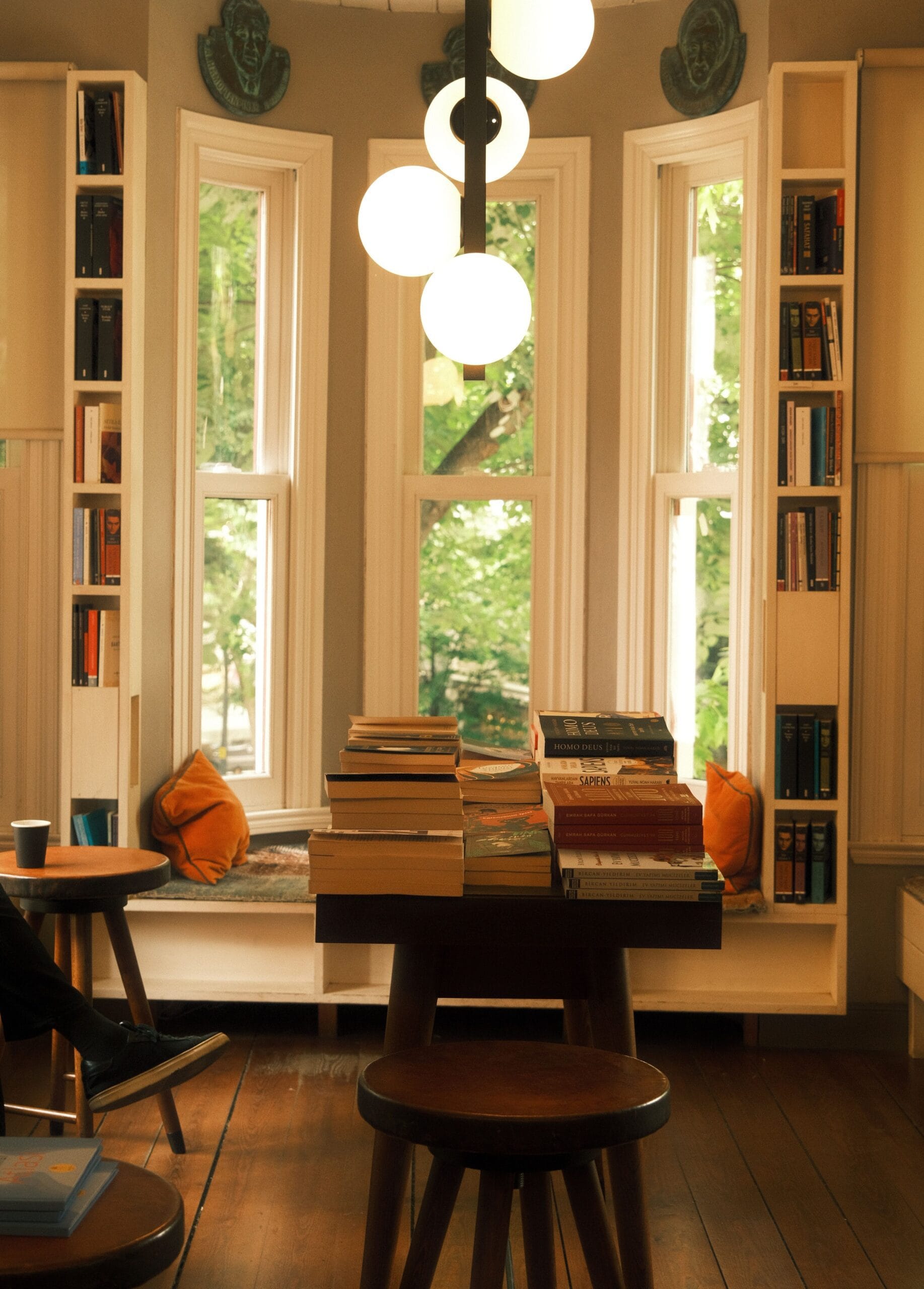
A favorite book, framed photograph, artwork, handmade object, or small collection can make the bay window feel more personal. Choose one or two meaningful pieces rather than covering the area with decorations. Personal details help turn a functional seating area into a place that feels genuinely yours. Since the bay window already provides visual interest, subtle accessories are usually enough to complete the space.
Time Saver
Sit in the bay window area at different times of day before finalizing the layout. This helps you see where the sunlight, shadows, and natural traffic through the room actually affect the space.
Choose a Rug That Connects the Area
A rug can help define the bay window seating area while connecting it to the main living room. When the space is large enough, position a larger rug beneath the main seating arrangement and allow it to extend toward the bay. In a smaller room, a compact rug beneath the chair can give the nook its own identity without using too much floor space. Choose a texture and color that complement the existing living room rather than introducing another unrelated pattern.
Frequently Asked Questions
How do I decorate a living room with a bay window?
Start by deciding how you want to use the bay window, then add furniture that suits that purpose. A comfortable chair, window seat, small table, curtains, lighting, and a few plants can create a useful and inviting area.
What furniture works best in a bay window?
Low profile chairs, compact benches, window seats, small sofas, and narrow tables can work well. Choose pieces that fit the shape of the bay without blocking the windows.
Should I put a sofa in front of a bay window?
A large sofa can block the light and view, so it is usually better to use lower seating when possible. A compact sofa can work when the window is large enough and the furniture does not interfere with the glass.
What should I put in a bay window reading nook?
A comfortable chair or window seat, small side table, reading light, soft throw, and a few books can create a practical reading area without requiring much space.
How do I make a bay window cozy at night?
Add warm lighting, soft cushions, a throw blanket, and comfortable upholstery. A floor lamp or table lamp can keep the area useful even after natural light disappears.
Bottom Line
Knowing how to decorate a living room with a bay window is about turning the extra space into something you will actually use while keeping the architectural feature visible. A reading chair, window seat, small table, simple curtains, plants, warm lighting, and a few personal details can create a comfortable destination within the living room.
Keep the furniture proportional and avoid filling the bay with unnecessary pieces. When the area has a clear purpose and remains connected to the rest of the room, the bay window can easily become one of the most enjoyable spots in your home.