

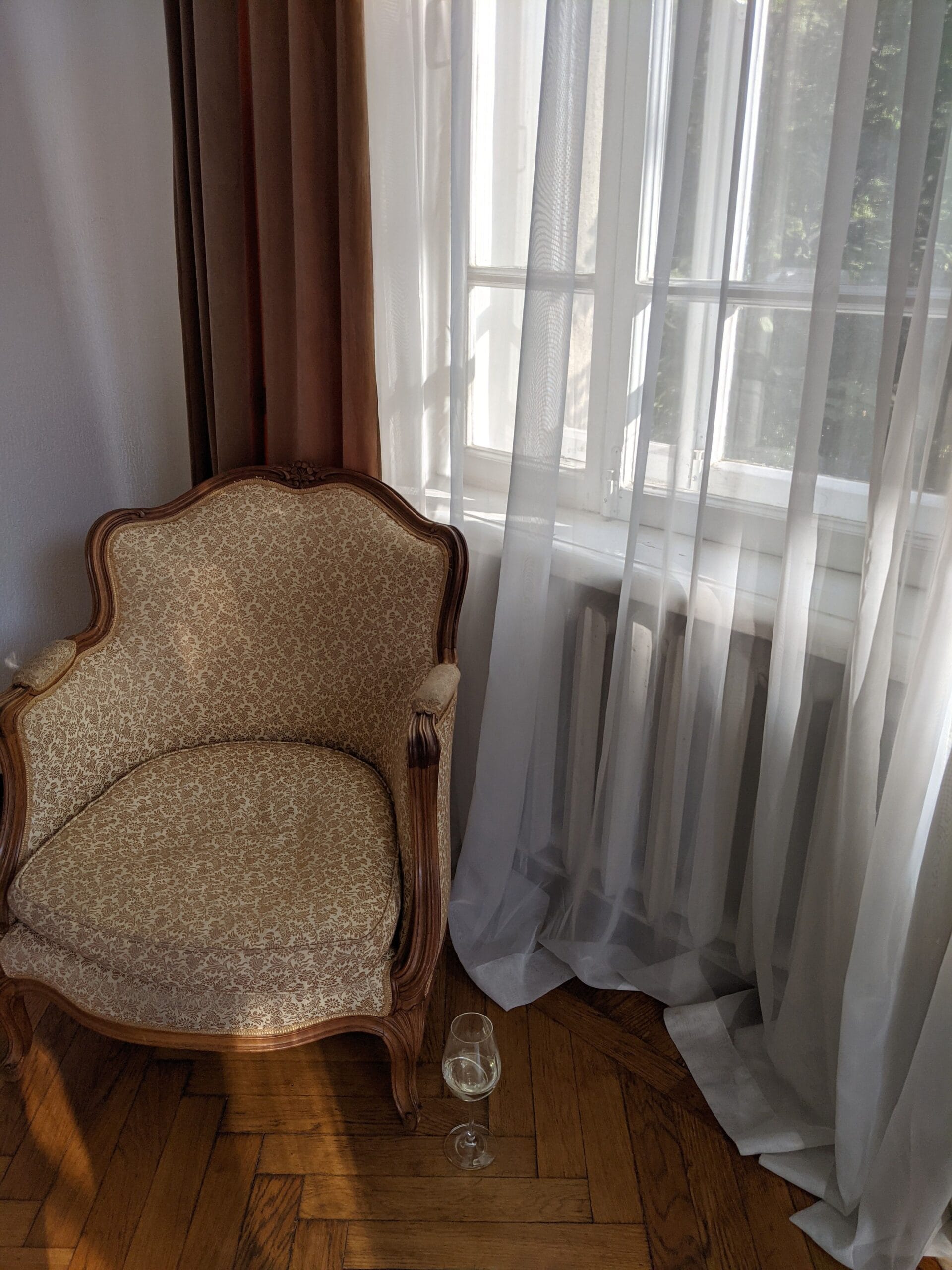
The best living room curtains balance natural light, privacy, and the overall look of the room. Choose the fabric based on how much sunlight you want to filter, decide how much privacy you need, and select a length and color that work with your windows and furniture. Learning how to choose living room curtains becomes much easier when you think about how the room is used during the day and evening rather than choosing curtains based only on appearance.
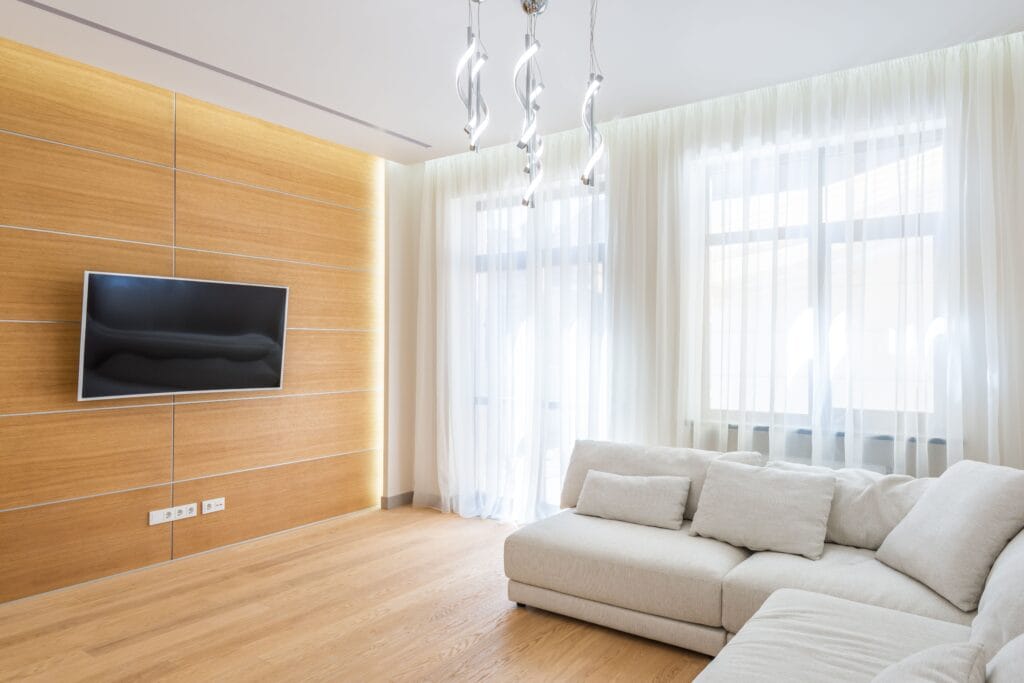
Curtains can change more than the look of a window. The right pair can soften harsh sunlight, make a room feel warmer, provide privacy from nearby homes, and even make windows appear larger. The key is choosing the right combination of fabric, lining, length, color, and placement for your particular living room.
Choose the Right Fabric
Fabric should be your first consideration because it determines how much light enters the room and how the curtains hang. Linen and cotton can create a relaxed appearance while allowing some natural light through, whereas heavier fabrics such as velvet can block more light and provide additional privacy. Sheer fabrics work well when you want daylight and a lighter appearance, but they may need to be paired with another curtain layer if privacy is important at night. Choose a fabric that fits both the atmosphere you want and the practical needs of the room.
Decide How Much Light You Want
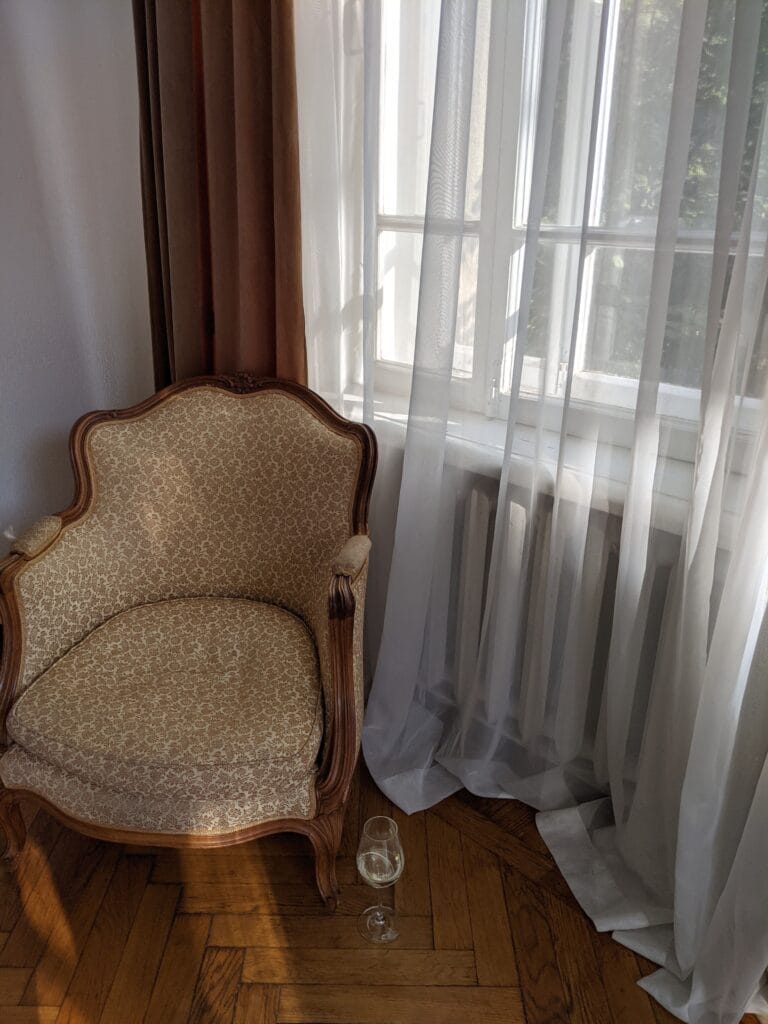
Think about the direction of your windows and how sunlight moves through the room before choosing your curtains. If strong afternoon sunlight makes the space too bright or warm, lined curtains can help filter more light, while lighter fabrics are useful when you want to keep the room naturally bright throughout the day. You can also combine sheer curtains with heavier outer panels to give yourself more control. This layered approach lets you enjoy natural light in the morning and greater privacy when needed.
Pro Tip
Watch the room at different times of day before buying curtains. A window that feels comfortable in the morning may receive much stronger sunlight later.
Consider Your Privacy Needs
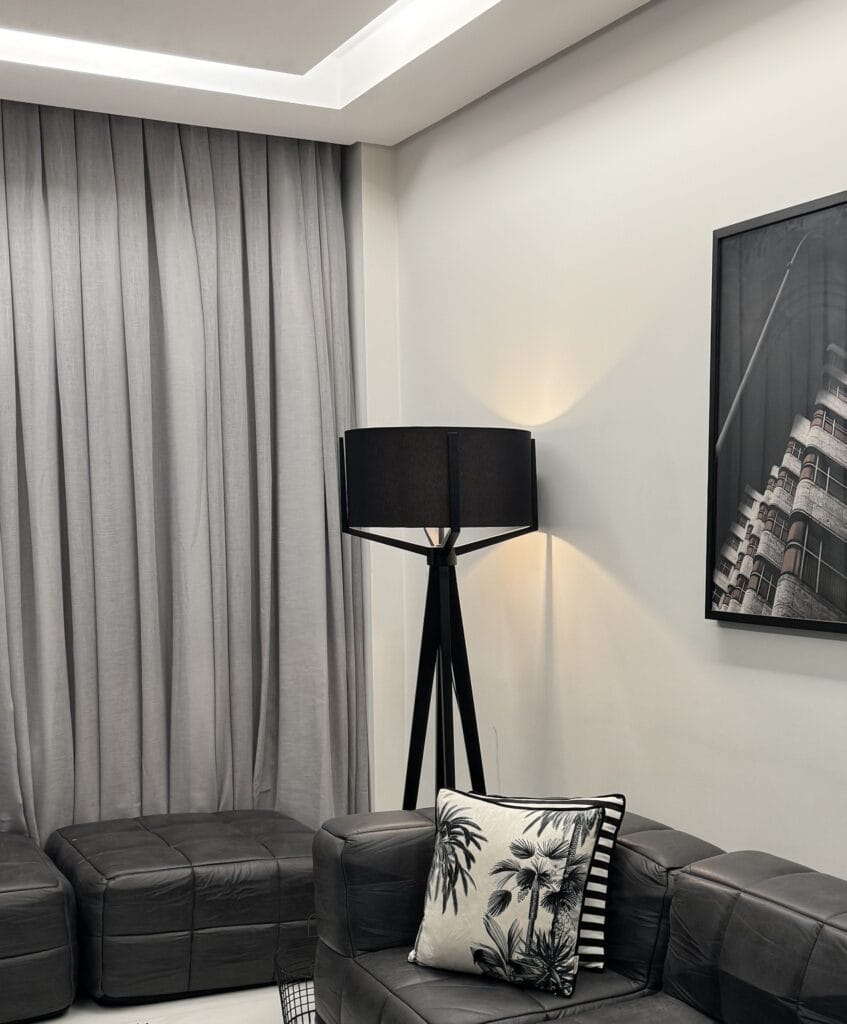
Privacy requirements vary depending on the location of your living room and the position of nearby buildings. Ground floor rooms and windows facing busy streets may benefit from thicker curtains or a combination of sheers and lined panels. If privacy is less of a concern, lightweight curtains can create a brighter and more open feeling. Consider evening privacy as well because transparent fabrics can appear very different once indoor lights are turned on after dark.
Get the Length Right
Curtain length has a major effect on how polished a living room feels. Floor length curtains usually create a more finished appearance and can make windows seem taller when the curtain rod is positioned above the frame. Curtains that stop several inches above the floor can sometimes make a room feel visually unfinished, while fabric that pools excessively can collect dust and become difficult to maintain. Measure from the intended rod position to the floor before purchasing so you know exactly how much fabric you need.
Choose the Right Color
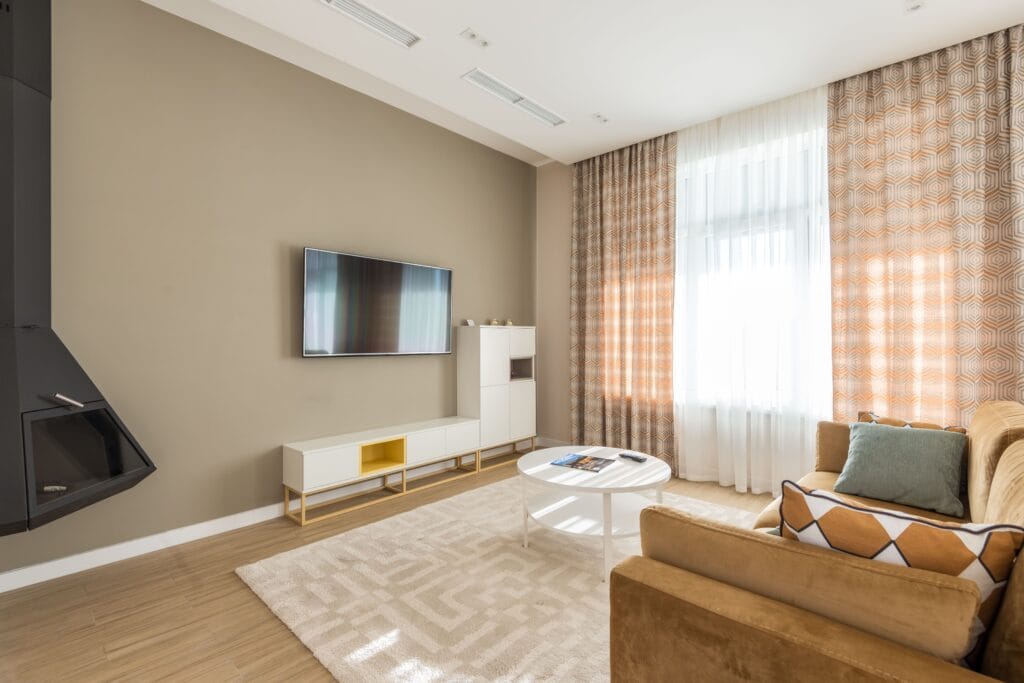
Curtain color should complement the rest of the living room rather than compete with the furniture. Neutral shades such as cream, beige, warm white, taupe, and soft gray are easy to coordinate, while muted green, blue, or earthy tones can introduce more personality. If your sofa and rug already have strong colors or patterns, simpler curtains can help balance the room. If the furniture is mostly neutral, curtains can provide a subtle opportunity to introduce another layer of color.
Quick Fix
If the room feels visually busy, choose curtains that are close in color to the walls. This creates a quieter backdrop and allows the furniture to remain the main feature.
Think About Curtain Width
Curtains should have enough width to frame the window without looking stretched when they are closed. Using two wider panels can create fuller folds and a softer appearance, while narrow panels may look flat and undersized. When the curtains are normally open, extending the rod beyond the window frame allows the panels to sit beside the glass rather than covering it. This can also make the window appear wider and allow more natural light into the room.
Use Layered Window Treatments
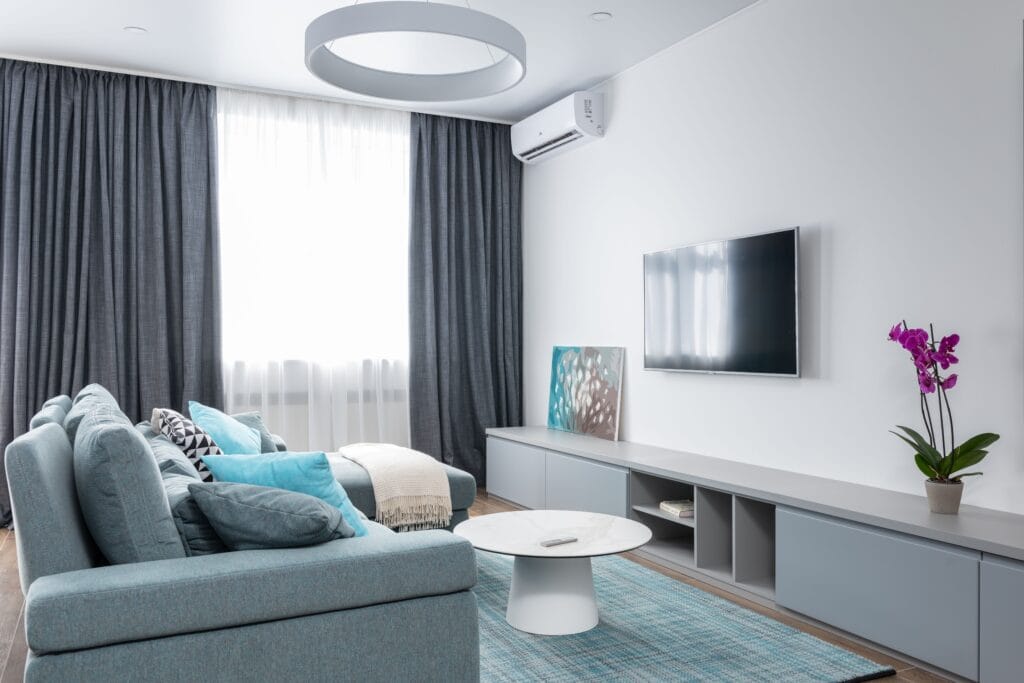
Layering gives you greater control over both light and privacy. Sheer curtains can provide daytime privacy while allowing sunlight to enter, while heavier outer curtains can be closed when you need more darkness or privacy. This combination also creates more visual depth around the windows. If the living room receives strong sunlight, consider lined outer curtains that can protect furniture and flooring from excessive exposure while keeping the room comfortable.
Time Saver
Take your window measurements and photograph them before shopping. Having the dimensions and a picture of the room makes it much easier to compare curtain options without guessing.
Match Curtains to the Room Style
Curtains should support the decorating style of the living room rather than feel like a separate element. Linen and cotton work well in relaxed, coastal, farmhouse, and natural interiors, while velvet can suit richer traditional or dramatic spaces. Simple woven or textured panels can complement modern rooms without adding unnecessary decoration. Look at the materials already present in your furniture, rug, and accessories and choose curtains that repeat at least one of those textures or tones.
Frequently Asked Questions
What type of curtains are best for a bright living room?
Lined curtains or layered curtains can work well when a living room receives strong sunlight. Sheer curtains are useful when you want to keep natural light while adding some daytime privacy.
How should living room curtains be hung?
For a taller appearance, install the curtain rod higher than the window frame and allow the panels to extend close to the floor. Extending the rod beyond the sides of the window can also make the window appear wider.
Should living room curtains touch the floor?
Floor length curtains usually create the most finished appearance. The exact length depends on the style you prefer, but the fabric should not stop noticeably above the floor.
What curtain color makes a living room look bigger?
Light neutral curtains in cream, warm white, beige, or soft gray can help maintain an open appearance. Curtains that are close in color to the walls can also create visual continuity.
Are sheer curtains enough for privacy?
Sheer curtains can provide some daytime privacy, but they usually offer limited privacy at night when interior lights are on. Pairing them with heavier curtains can provide more control.
Bottom Line
Knowing how to choose living room curtains is mainly about balancing natural light, privacy, fabric, proportion, and the existing décor. Choose the fabric based on how much light you want to filter, select the right length and width, and consider layered treatments when you need flexibility throughout the day.
The best curtains should make the room more comfortable without drawing attention away from the furniture and overall design. When the fabric, color, placement, and privacy level all work together, your windows can become one of the strongest finishing details in the living room.