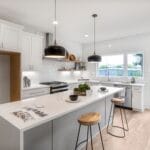

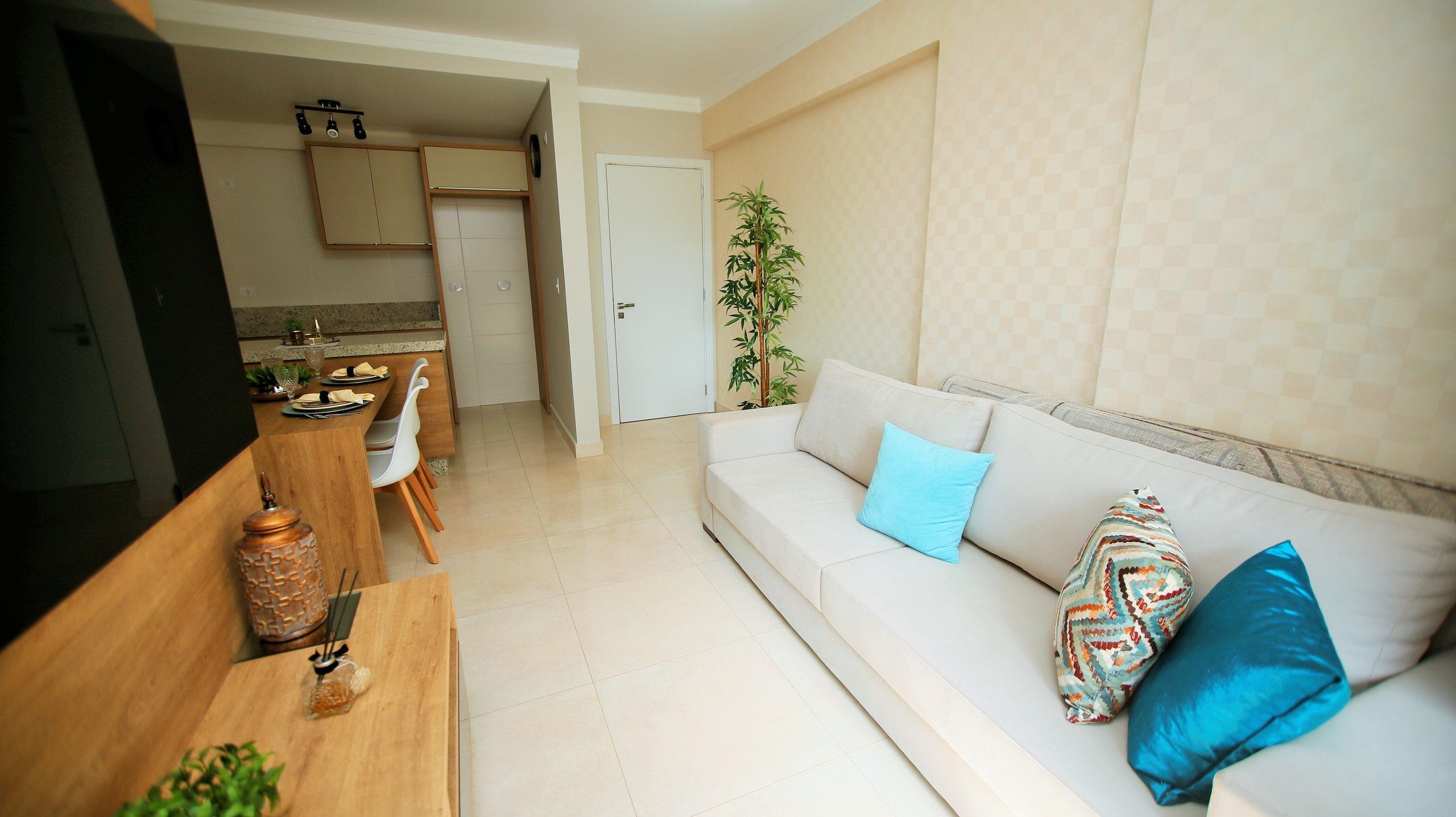
The best way to furnish a small space is to choose pieces that fit the room properly, serve a useful purpose, and leave enough open space for comfortable movement. When learning how to choose furniture for a small space, focus on proportion before appearance, then look for multifunctional pieces, lighter visual designs, and storage that does not overwhelm the room. This lets you create a stylish space without filling every available corner.
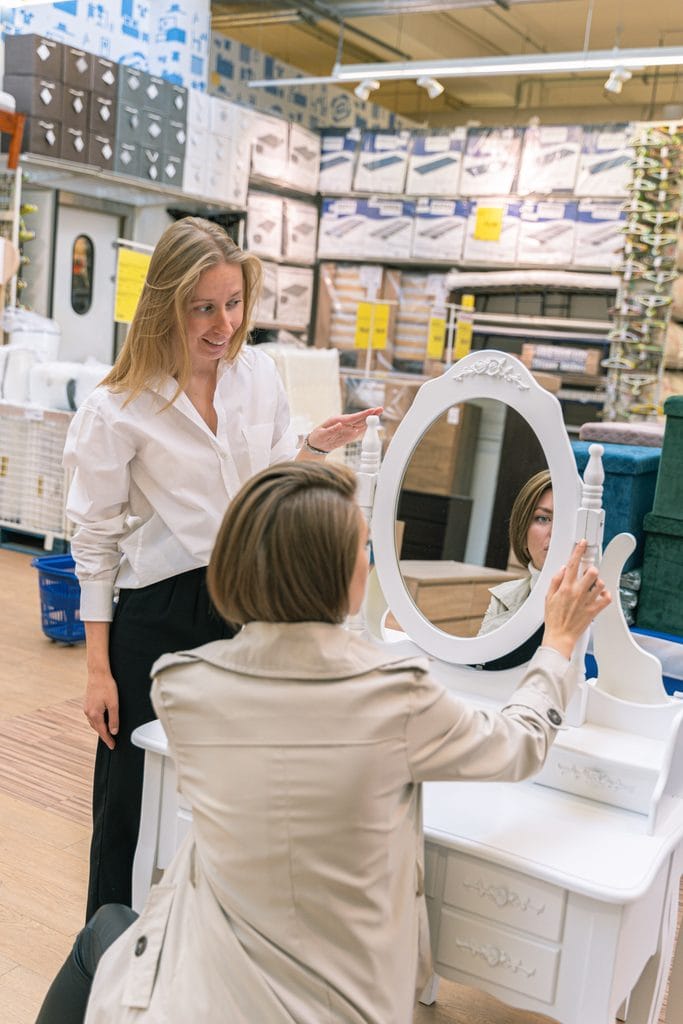
Small rooms often become difficult to decorate when furniture is chosen based only on how attractive it looks in a showroom. A sofa that works beautifully in a large living room may dominate a compact apartment, while a bulky storage cabinet can make an already narrow bedroom feel even smaller. Choosing furniture according to the actual dimensions and daily needs of the space creates a much better foundation.
Measure the Room Before Shopping
Accurate measurements should come before choosing any major furniture piece. Measure the walls, doorways, windows, and available walking areas so you know exactly how much room each piece can occupy. Pay attention to doors that need to open fully and pathways that need to remain clear. A simple floor plan can help you understand how furniture will fit together and prevent the common mistake of buying something that looks appropriate online but overwhelms the actual room.
Choose Furniture With the Right Scale
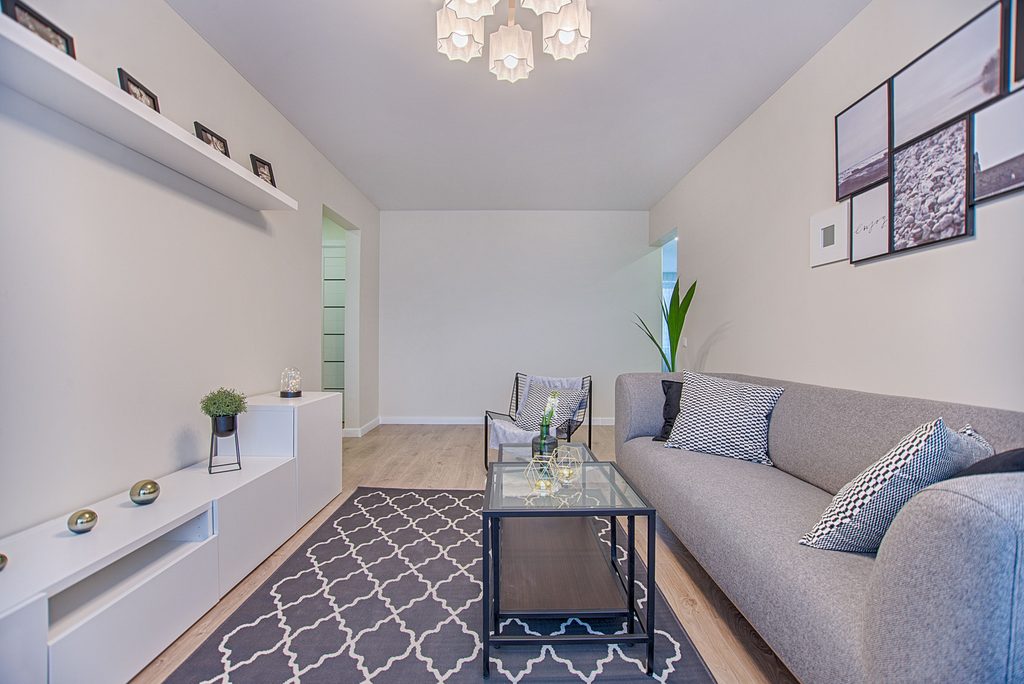
Furniture should feel proportional to the size of the room rather than simply being as small as possible. A tiny sofa can actually make a room feel awkward when paired with a large rug and oversized table, while a compact but substantial sofa may look more balanced. Look for pieces with appropriate width, depth, and height, and compare their measurements with the surrounding furniture before buying. The goal is to create enough visual weight to make the room feel complete while preserving comfortable open space.
Pro Tip
Use painter’s tape to outline the dimensions of a furniture piece on the floor before buying it. Seeing the footprint in the actual room makes scale much easier to judge.
Choose Multifunctional Pieces
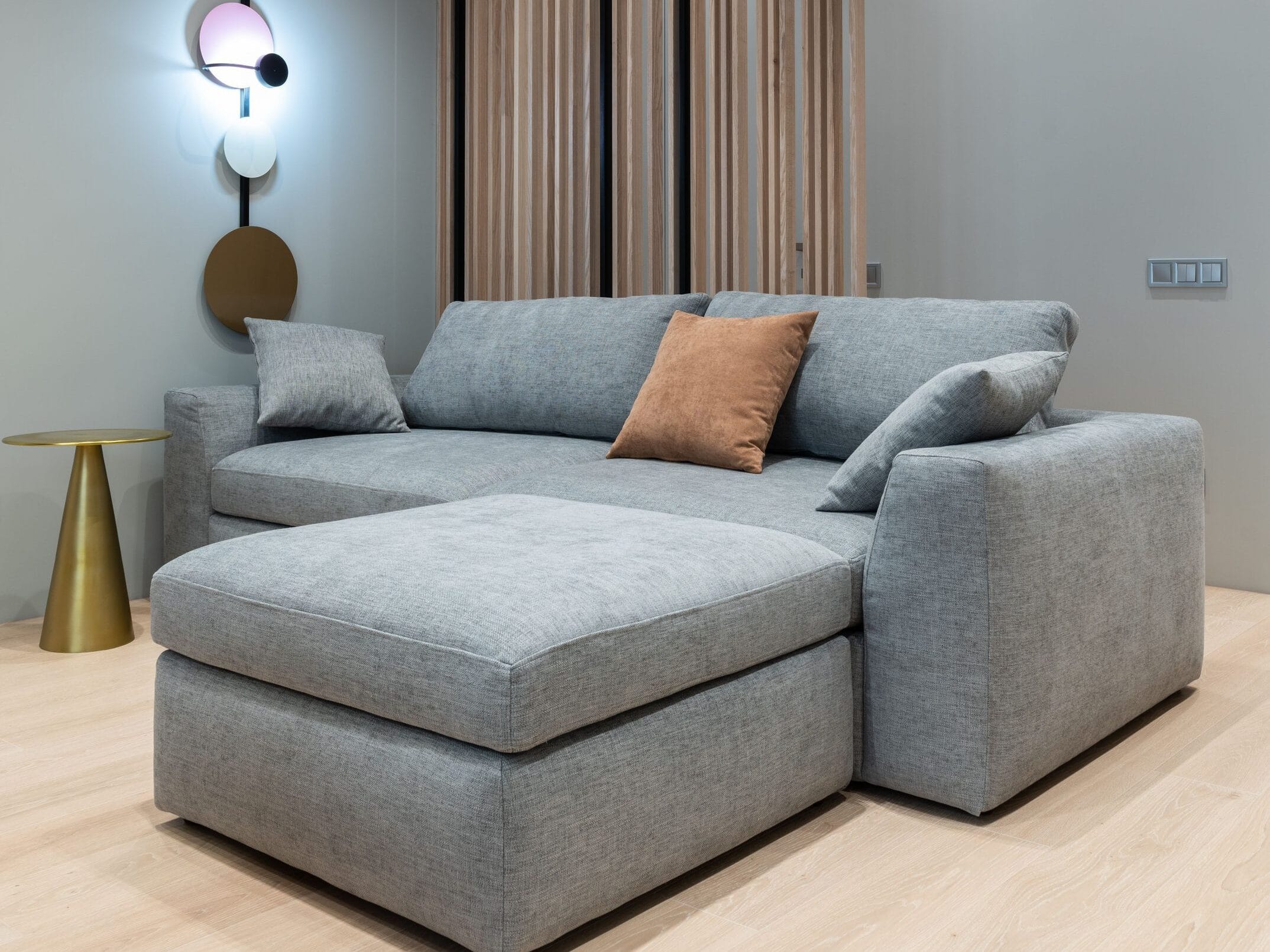
Furniture that serves more than one purpose can make a small room much easier to use. A storage ottoman can provide seating, act as a footrest, and hold blankets, while a console table can double as a compact workspace when needed. A daybed can provide seating during the day and sleeping space at night, while nesting tables can be separated when you need extra surfaces and stacked when you need more floor space. Choosing flexible pieces reduces the number of separate items you need without sacrificing comfort.
Look for a Lighter Visual Profile
Furniture can occupy the same amount of physical space but look completely different depending on its design. Pieces with raised legs, slim arms, open bases, glass surfaces, or simple frames often allow more of the floor to remain visible. This creates a lighter visual effect that can make the room feel more open. You do not need every piece to have a minimalist design, but balancing heavier furniture with a few lighter pieces can prevent the space from feeling crowded.
Use Furniture With Built In Storage
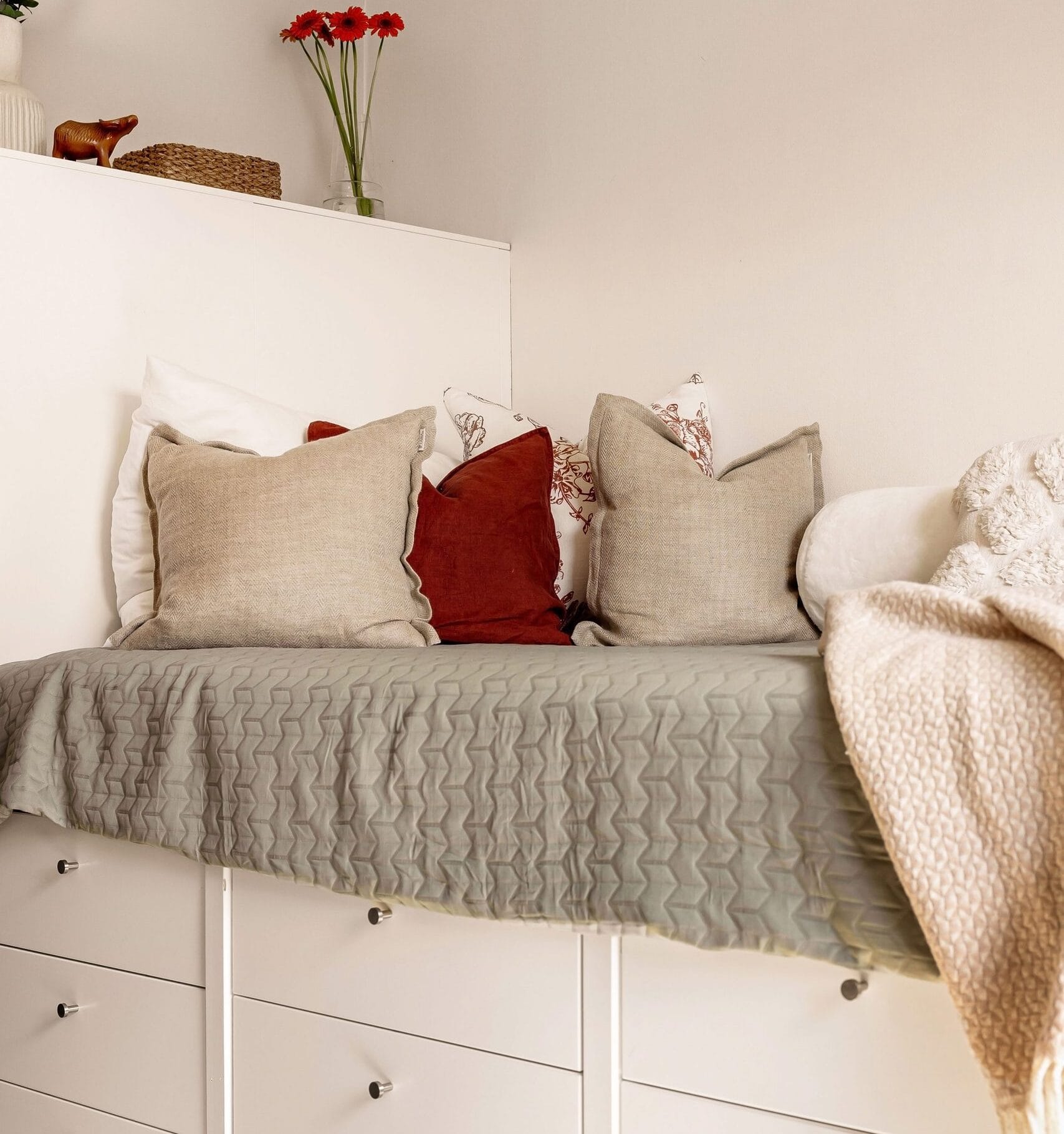
Storage furniture can help control clutter while serving its primary purpose. Choose beds with drawers, benches with hidden compartments, coffee tables with storage, or cabinets that use vertical space efficiently. Closed storage is particularly useful when you want the room to look calm because everyday belongings can stay out of sight. The best storage pieces are those that fit the space precisely and solve a real problem rather than simply adding another object to the room.
Quick Fix
Look at the furniture you already own and identify one piece that could be replaced with a storage version. Swapping one item can create useful space without adding more furniture.
Consider Furniture That Can Move
Flexible furniture makes a small space easier to adapt when your needs change. Lightweight chairs, nesting tables, folding pieces, stools, and compact ottomans can be moved when you need more floor space or additional seating. Avoid arranging the room around furniture that is difficult to move unless it serves a clear purpose. A flexible layout lets the same room work for relaxing, working, entertaining, and everyday activities.
Keep the Color Palette Connected
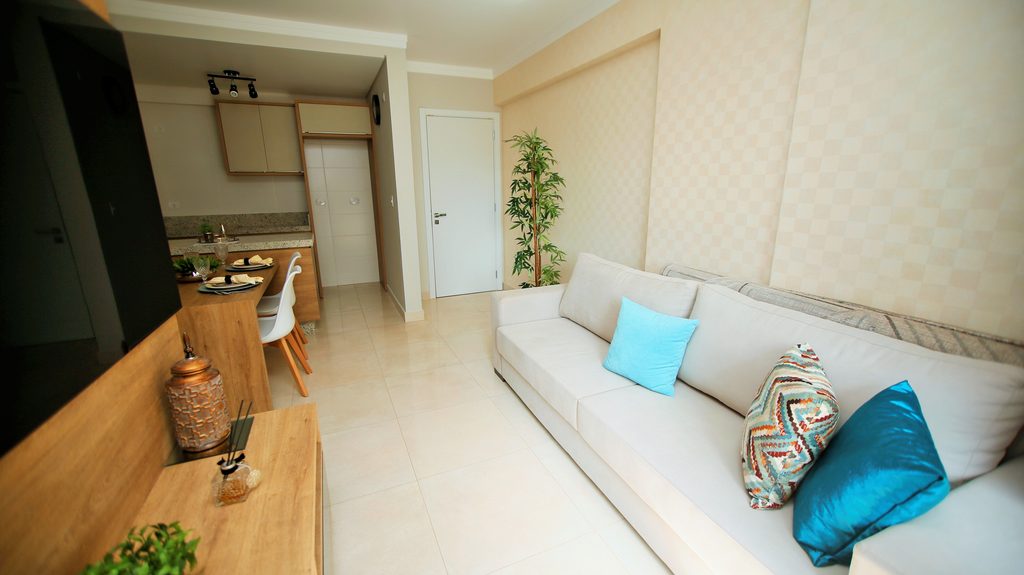
Furniture does not have to match exactly, but a consistent color palette helps different pieces feel like part of the same room. Choose a few main shades and repeat them through upholstery, wood finishes, rugs, curtains, and accessories. Lighter furniture can help maintain an open appearance, while darker pieces can provide contrast when used selectively. Coordinating colors also makes it easier to mix furniture styles without creating a visually fragmented room.
Time Saver
Take a photograph of the room before shopping for a new piece. Comparing colors and finishes against the existing furniture can make decisions much easier.
Leave Breathing Room Around Furniture
Even the right furniture can make a small room feel crowded when everything is packed too closely together. Leave clear paths between major pieces and avoid using furniture simply to fill an empty corner. A small amount of open floor can make the entire room feel more comfortable and usable. When planning how to choose furniture for a small space, remember that the space between furniture is just as important as the furniture itself.
Choose Style Through Smaller Pieces
You do not need oversized statement furniture to give a small room personality. Keep the main furniture practical and introduce style through a smaller chair, patterned ottoman, distinctive side table, artwork, lighting, or textured rug. These pieces can add character without consuming the amount of space required by a large decorative feature. This approach also makes future updates easier because smaller items can be replaced without changing the entire room.
Frequently Asked Questions
How do I choose furniture for a very small room?
Start by measuring the space, then choose furniture based on its actual dimensions and the walking room it leaves behind. Multifunctional and visually lighter pieces can provide useful functions without overwhelming the room.
Should small rooms have small furniture?
Not necessarily. The furniture should be proportional rather than simply tiny. A few appropriately sized pieces usually look more balanced than many very small pieces scattered throughout the room.
What furniture saves the most space?
Multifunctional pieces such as storage ottomans, nesting tables, storage beds, folding chairs, and compact desks can provide several functions while using less space overall.
Does dark furniture make a small room look smaller?
Dark furniture can have more visual weight, especially when combined with dark walls and flooring. Balance it with lighter textiles, open space, and furniture with raised or open bases to maintain a sense of openness.
How can I keep a small space stylish?
Choose a simple furniture foundation, keep the color palette connected, and use smaller pieces such as lighting, artwork, rugs, and accent furniture to introduce personality. Avoid filling every surface or corner.
Bottom Line
Knowing how to choose furniture for a small space is mainly about finding the right balance between proportion, function, flexibility, and style. Measure first, choose furniture that fits the room, prioritize pieces that serve more than one purpose, and leave enough open space for comfortable movement.
A small space does not require boring furniture. When the larger pieces are practical and properly scaled, you have more freedom to add personality through color, texture, lighting, and smaller decorative pieces without making the room feel crowded.