


The safest bedroom paint colors for changing light are soft neutrals, warm whites, muted greens, dusty blues, gentle taupes, and earthy shades because they tend to remain balanced as natural and artificial light changes throughout the day. If you want bedroom paint colors that look good in morning sunlight, afternoon brightness, and softer evening lighting, avoid extremely bright or overly saturated shades and choose colors with subtle undertones that work with the existing furniture and flooring.
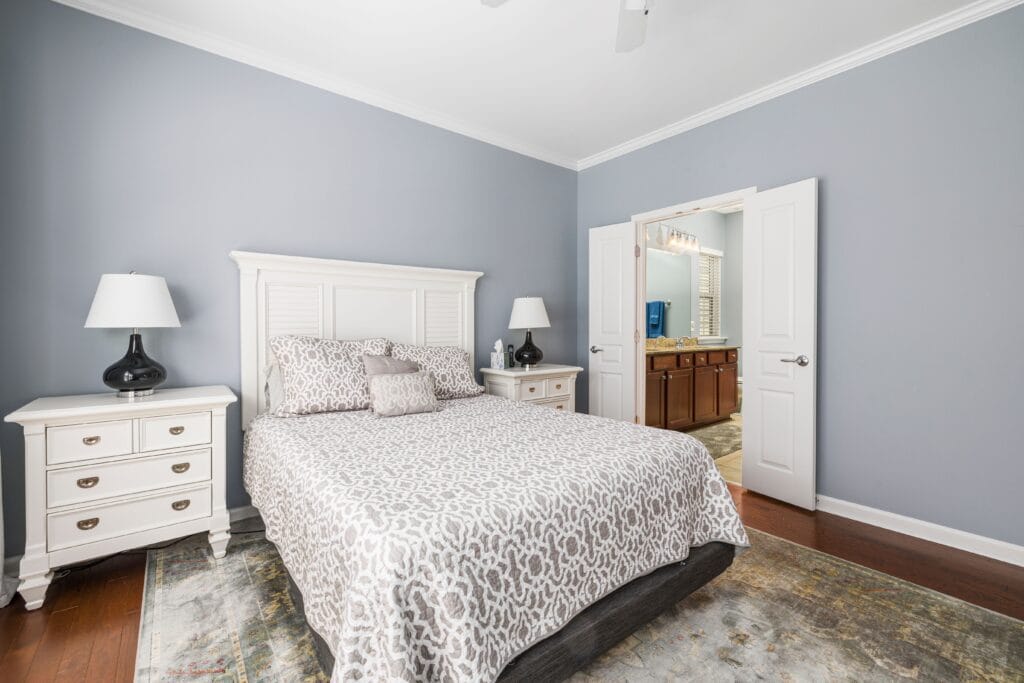
Natural light can make the same paint color look completely different from morning to night. North facing rooms can make colors appear cooler, while warm afternoon sunlight can bring out yellow or beige undertones. The safest approach is to choose colors that have enough warmth or softness to adapt rather than relying on a shade that only looks good under one type of lighting.
Warm White
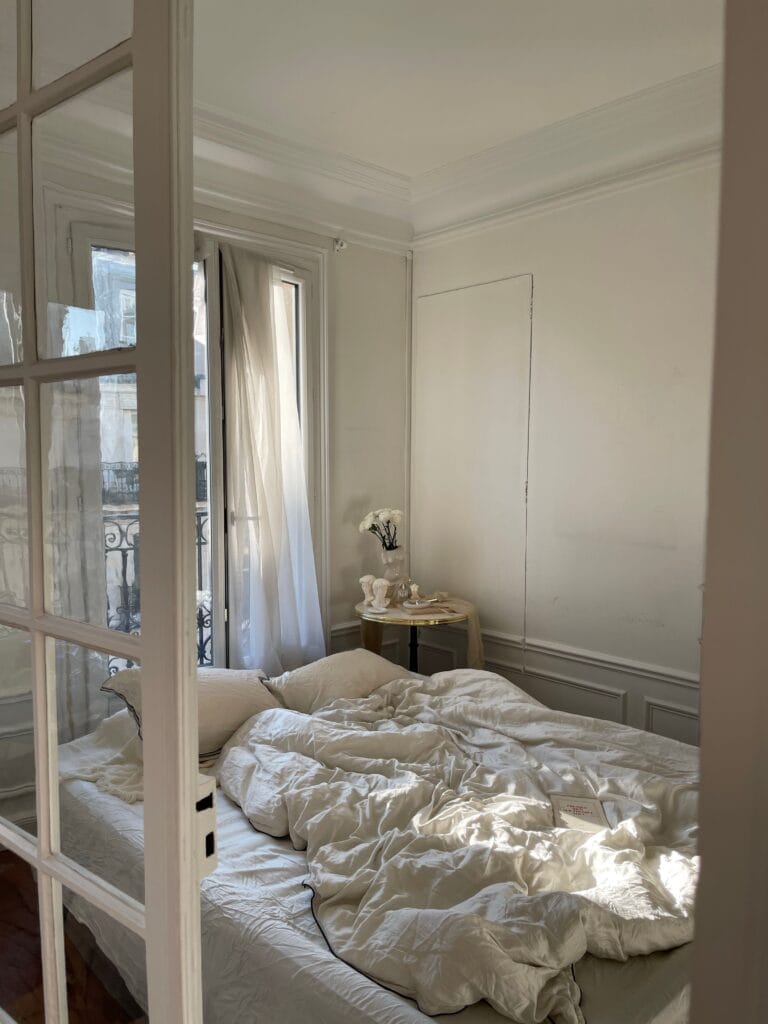
Warm white is one of the most flexible choices for a bedroom because it can work with both natural and artificial lighting. Unlike extremely cool whites, warmer whites contain subtle beige, cream, or yellow undertones that help prevent the room from feeling stark when daylight is limited. In bright rooms, warm white can feel fresh without becoming harsh, while warm lamps in the evening can make it feel softer. It also provides a simple backdrop for almost any furniture color.
Soft Beige
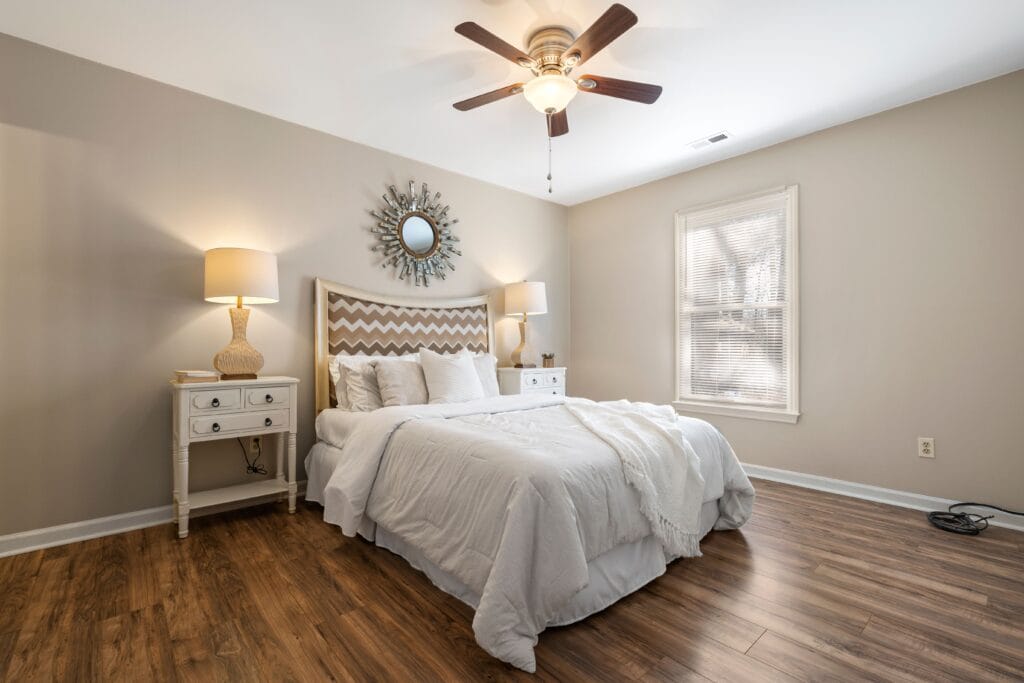
Soft beige can adapt well to changing light because it sits between a neutral and a warm color. In natural daylight, it can appear light and airy, while evening lighting can bring out its warmer side. Beige works particularly well with wooden furniture, cream bedding, woven textures, and earthy accents. If your bedroom already contains several warm materials, choose a beige with subtle undertones rather than one that leans strongly yellow.
Pro Tip
Always test a beige paint sample on more than one wall because the amount and direction of light can make the same color look noticeably different throughout the room.
Light Greige

Greige combines gray and beige, making it useful when you want a neutral that does not feel either too cool or too warm. A light greige can shift gently throughout the day while maintaining a relatively balanced appearance. It works with white, cream, natural wood, black, brass, and many different bedding colors. This flexibility makes it particularly useful when you plan to change accessories or furniture without repainting the walls.
Muted Sage Green

Muted sage green can work beautifully in bedrooms with changing light because it is soft enough to avoid becoming overwhelming. In daylight, the green undertones become more noticeable, while warmer evening lighting can make it appear more earthy. Pair sage with cream, warm white, natural wood, beige, or soft brown for a relaxed palette. Avoid extremely bright green if your goal is a color that remains easy to live with throughout the day.
Dusty Blue
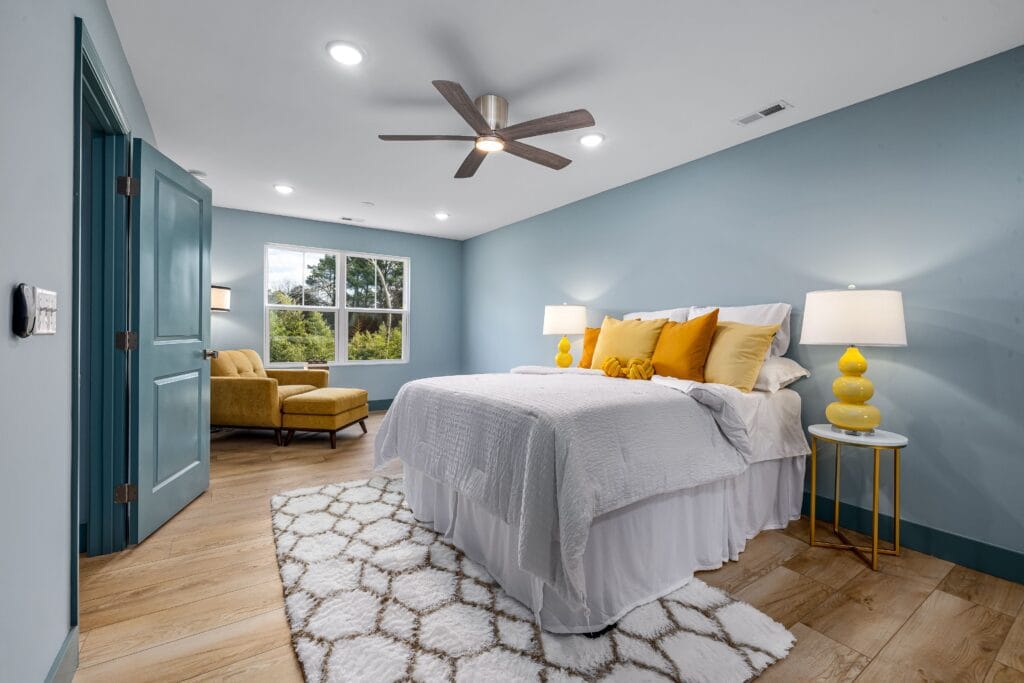
Dusty blue is a softer alternative to stronger blue shades and can work well when a bedroom receives different types of natural light. The muted quality prevents it from becoming too intense in bright sunlight, while warm lamps can make the room feel softer in the evening. Pair it with warm white, cream, light wood, beige, or muted gray to balance its cooler undertones. A dusty blue can also work particularly well in bedrooms with white or light furniture.
Soft Taupe
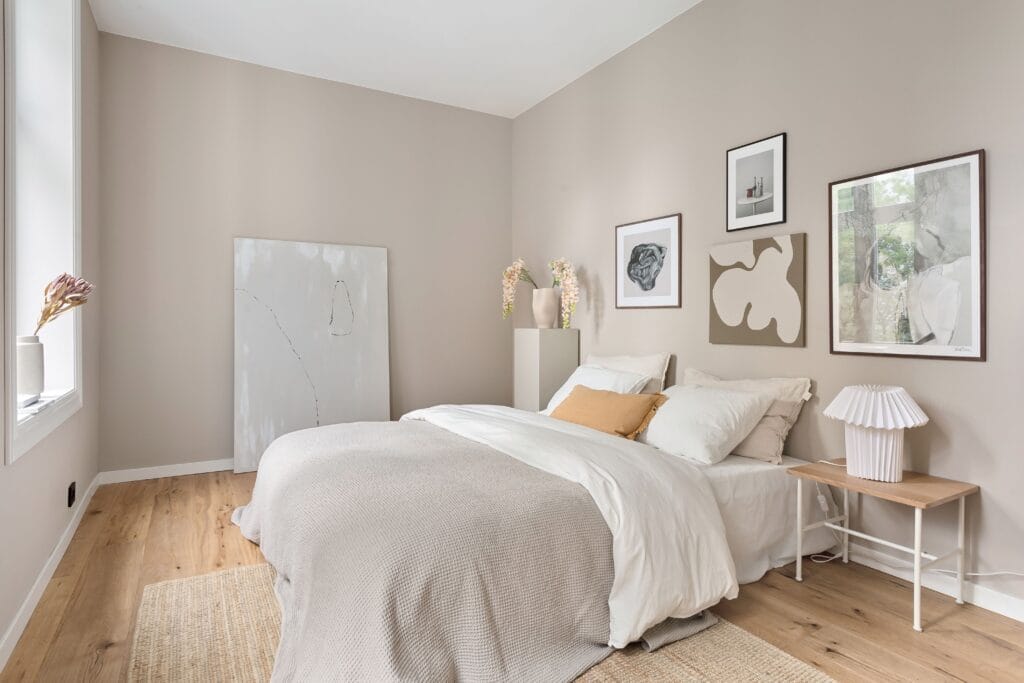
Taupe is another adaptable neutral because it combines elements of brown and gray. A soft taupe can feel warm without becoming overly beige, making it useful in bedrooms where the lighting changes significantly throughout the day. It works especially well with dark wood, cream textiles, warm metals, and natural materials. If your room receives strong afternoon sunlight, a muted taupe can provide enough depth without looking overly dark.
Pale Mushroom

Pale mushroom is a subtle neutral with earthy gray and brown undertones. It can add more character than plain white while remaining flexible enough to work with changing light. The color pairs naturally with cream, beige, dark wood, muted green, and soft black accents. In a bedroom with limited natural light, choosing a lighter mushroom shade can provide warmth without making the walls feel heavy.
Soft Earthy Pink
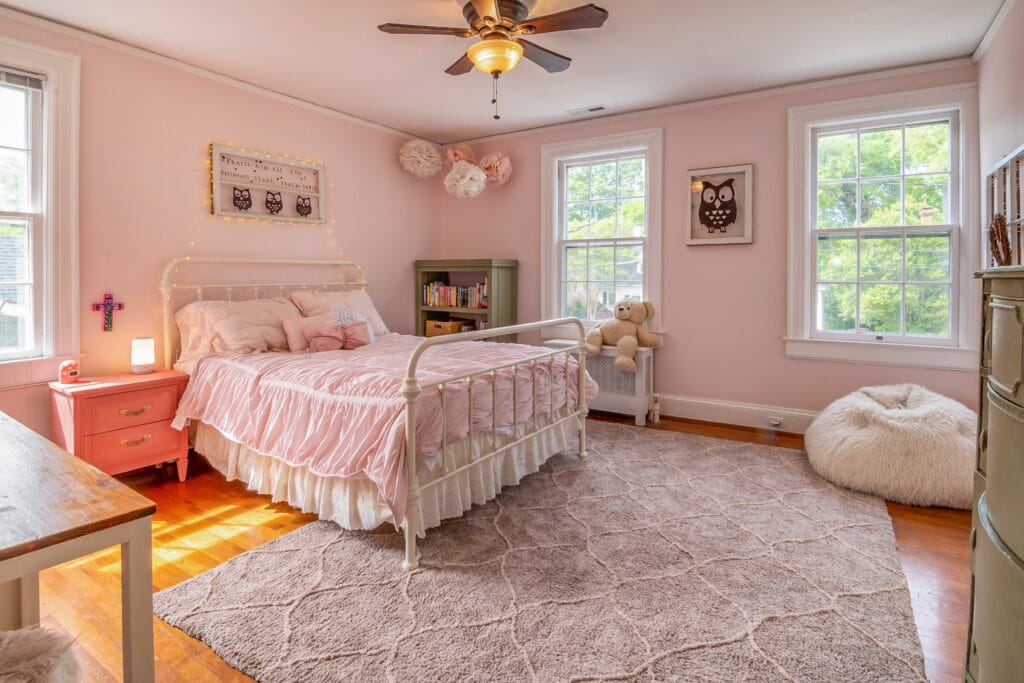
A muted earthy pink can bring warmth to a bedroom without creating the overly bright appearance associated with stronger pink shades. Look for dusty rose, blush beige, or muted clay pink rather than highly saturated colors. These softer versions can shift gently with the light and work well with cream, warm white, beige, natural wood, and brown. The result can feel warm and comfortable while remaining relatively neutral.
Frequently Asked Questions
What bedroom paint color looks best in natural light?
Soft neutrals such as warm white, beige, greige, taupe, and muted green tend to work well in natural light. The best option depends on the direction of the room and the colors already present.
What paint colors work best in a dark bedroom?
Warm white, light beige, pale greige, soft taupe, and muted earthy shades can help a darker bedroom feel more balanced. Avoid colors that become too cool or muddy when there is limited natural light.
Should bedroom paint be warm or cool?
Either can work, but warm or balanced shades are generally easier to live with when the room receives changing light throughout the day. Consider the undertones of your flooring, furniture, and bedding before choosing.
Why does my paint color look different at night?
Artificial bulbs have different color temperatures from natural daylight, which can change how paint undertones appear. A color with yellow or blue undertones may become more noticeable depending on the lighting.
Should I test bedroom paint before buying it?
Yes. Paint a sample on multiple walls and observe it in morning, afternoon, and evening light. This gives you a much better idea of how the color will actually look throughout the day.
Bottom Line
The most adaptable bedroom paint colors tend to be soft and slightly muted rather than extremely bright or saturated. Warm white, beige, greige, sage, dusty blue, taupe, mushroom, and earthy pink can all work across different lighting conditions when their undertones complement the room.
Before committing to one shade, test samples on different walls and observe them throughout the day. A color that looks balanced in both natural and artificial light is much more likely to remain comfortable as the lighting changes.