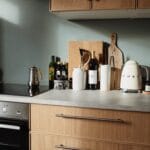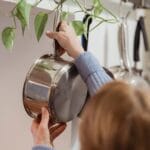

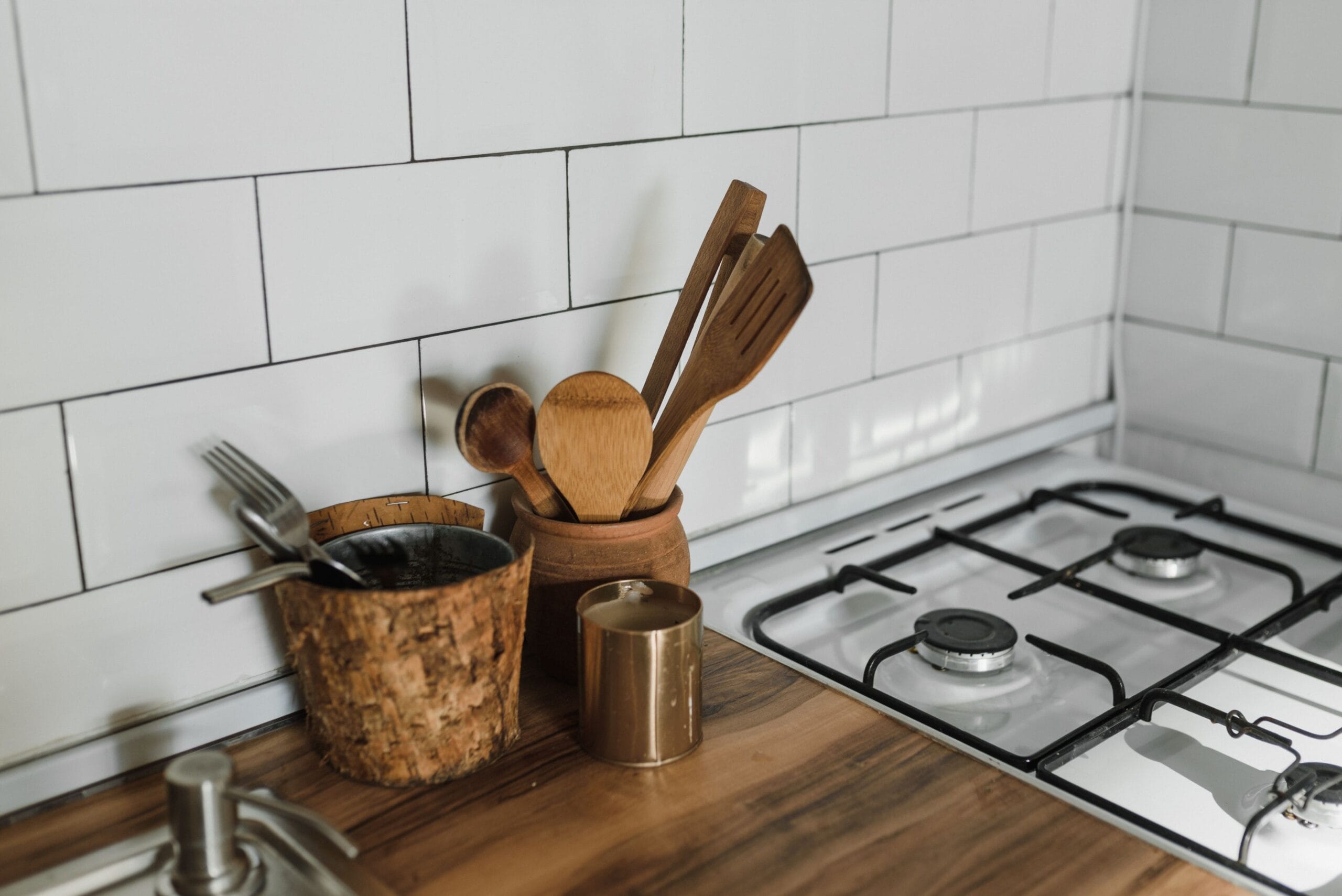
The easiest way to make cooking easier is to keep your most used utensils close to where you actually prepare food and group similar tools together. When learning how to organize kitchen utensils, start by removing duplicates and rarely used items, then create simple zones for cooking, baking, food preparation, and serving. This makes everyday tools easier to find while keeping drawers and countertops from becoming cluttered.
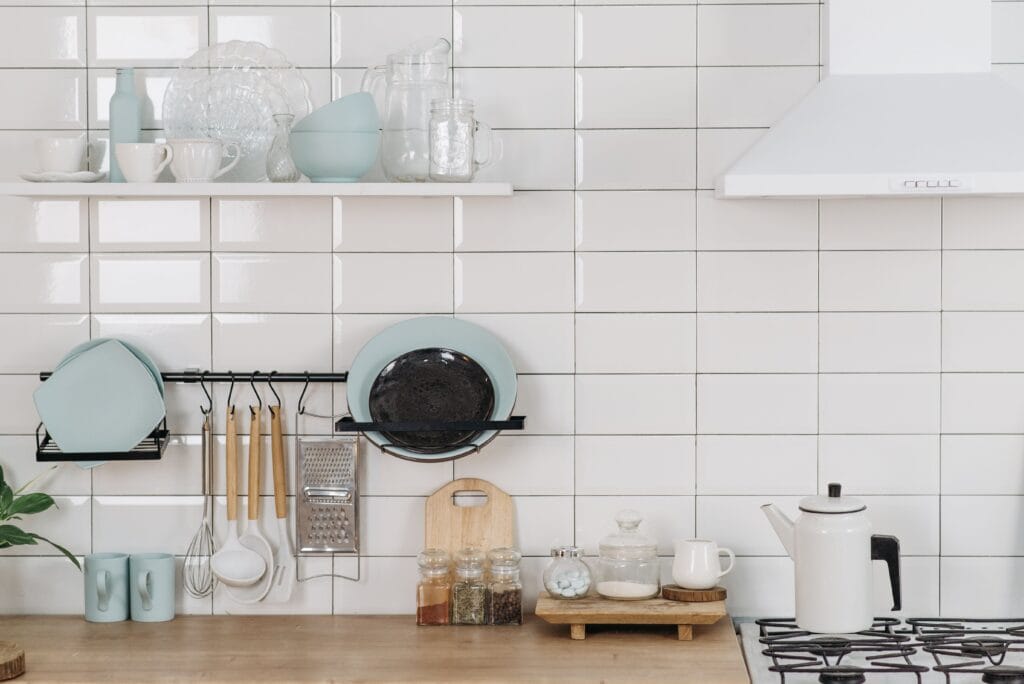
Kitchen utensils tend to become disorganized because they are used constantly and returned to random places. Mixing spatulas with measuring tools, peelers, serving spoons, and miscellaneous gadgets can make even a well equipped kitchen frustrating to use. A simple system based on function and frequency of use can make a noticeable difference.
Sort Utensils by Function
Start by separating utensils into groups based on what you use them for. Cooking tools such as spatulas, wooden spoons, tongs, and ladles can stay together, while measuring cups and spoons belong with baking supplies and peelers or graters can be grouped with food preparation tools. Serving utensils can have their own section away from everyday cooking tools. Grouping utensils by function makes it much easier to find what you need without searching through an entire drawer.
Remove Duplicates and Unused Tools
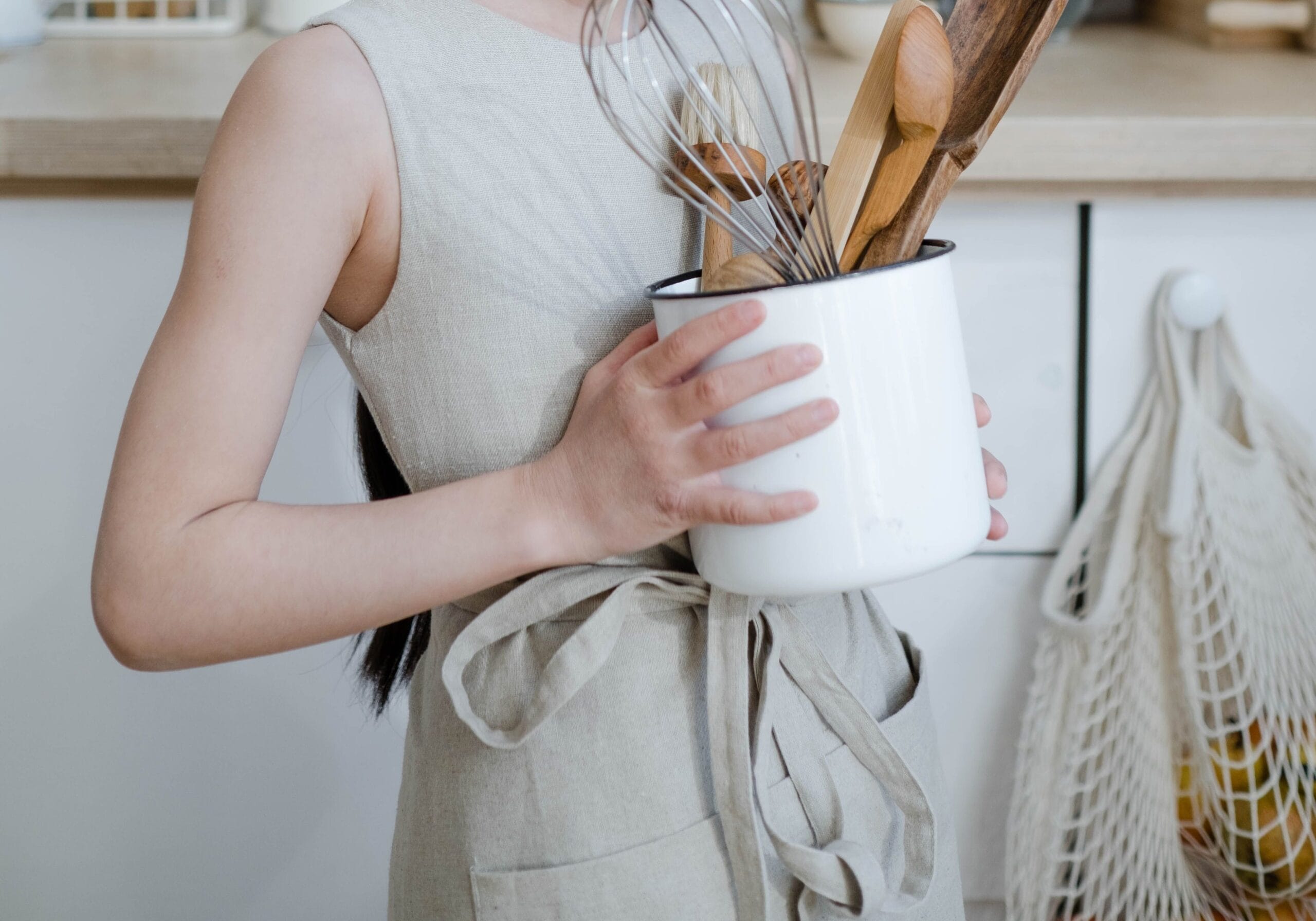
Before buying organizers, reduce the number of utensils you actually need to store. Multiple spatulas, several nearly identical wooden spoons, gadgets you never use, and tools kept only because they seemed useful at the time can quickly fill a small kitchen. Keep the versions that work best for your cooking habits and remove items that are broken, duplicated, or rarely touched. Less clutter gives every remaining utensil a clearer place.
Pro Tip
Ask yourself which utensils you would reach for first when cooking your usual meals. Those should receive the easiest storage locations, while occasional tools can be moved farther away.
Use Drawer Dividers
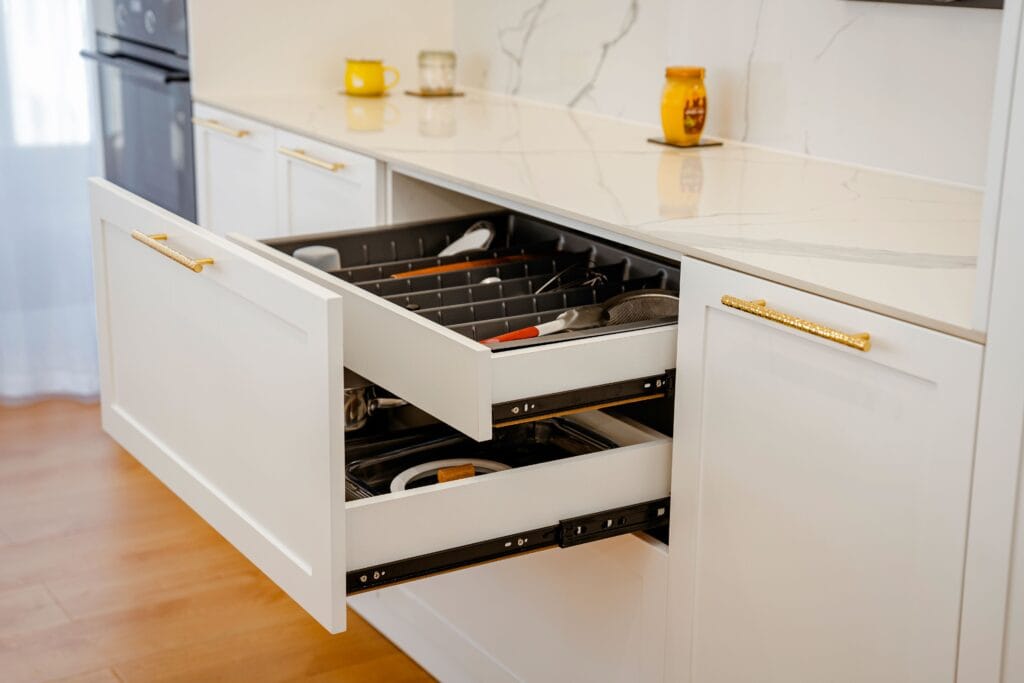
Drawer dividers can prevent utensils from becoming one large pile where everything overlaps. Create sections for cooking tools, measuring tools, food preparation utensils, and smaller accessories so each category stays contained. Adjustable dividers are especially useful because you can change the layout as your needs change. Avoid filling the drawer completely because a little empty space makes it much easier to remove and return utensils.
Keep Frequently Used Tools Near the Stove
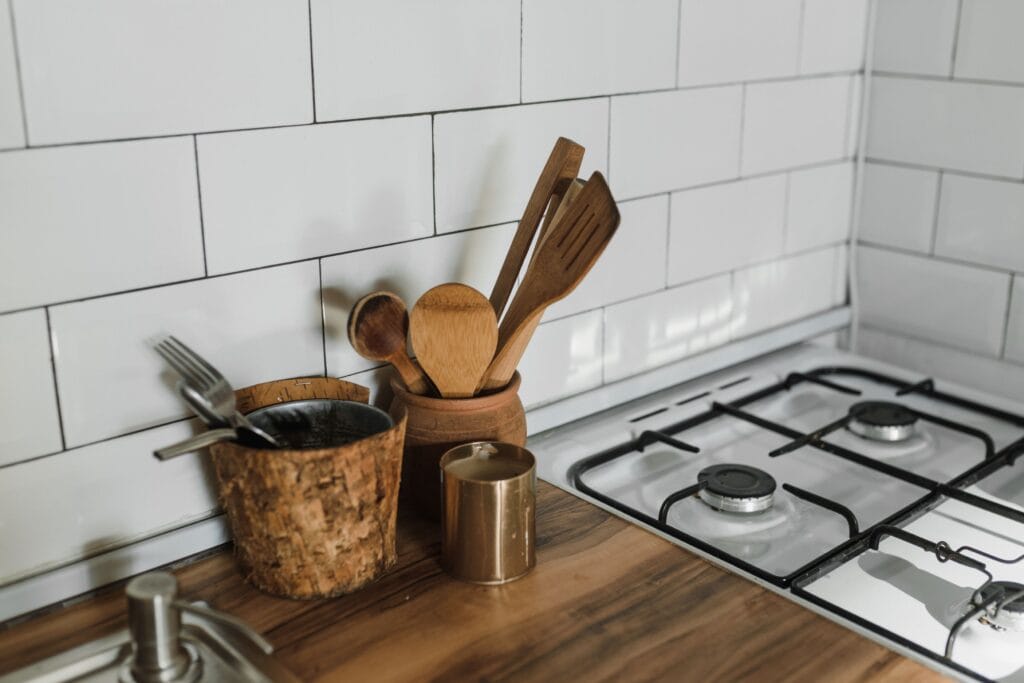
Cooking utensils should be easy to reach from the area where you use them most. Keep spatulas, tongs, wooden spoons, and ladles in a nearby drawer, utensil holder, or container close to the stove. This reduces unnecessary movement while cooking and prevents you from leaving utensils on the counter simply because their storage location is inconvenient. If you prefer a countertop holder, keep only your most frequently used tools there.
Use Vertical Storage
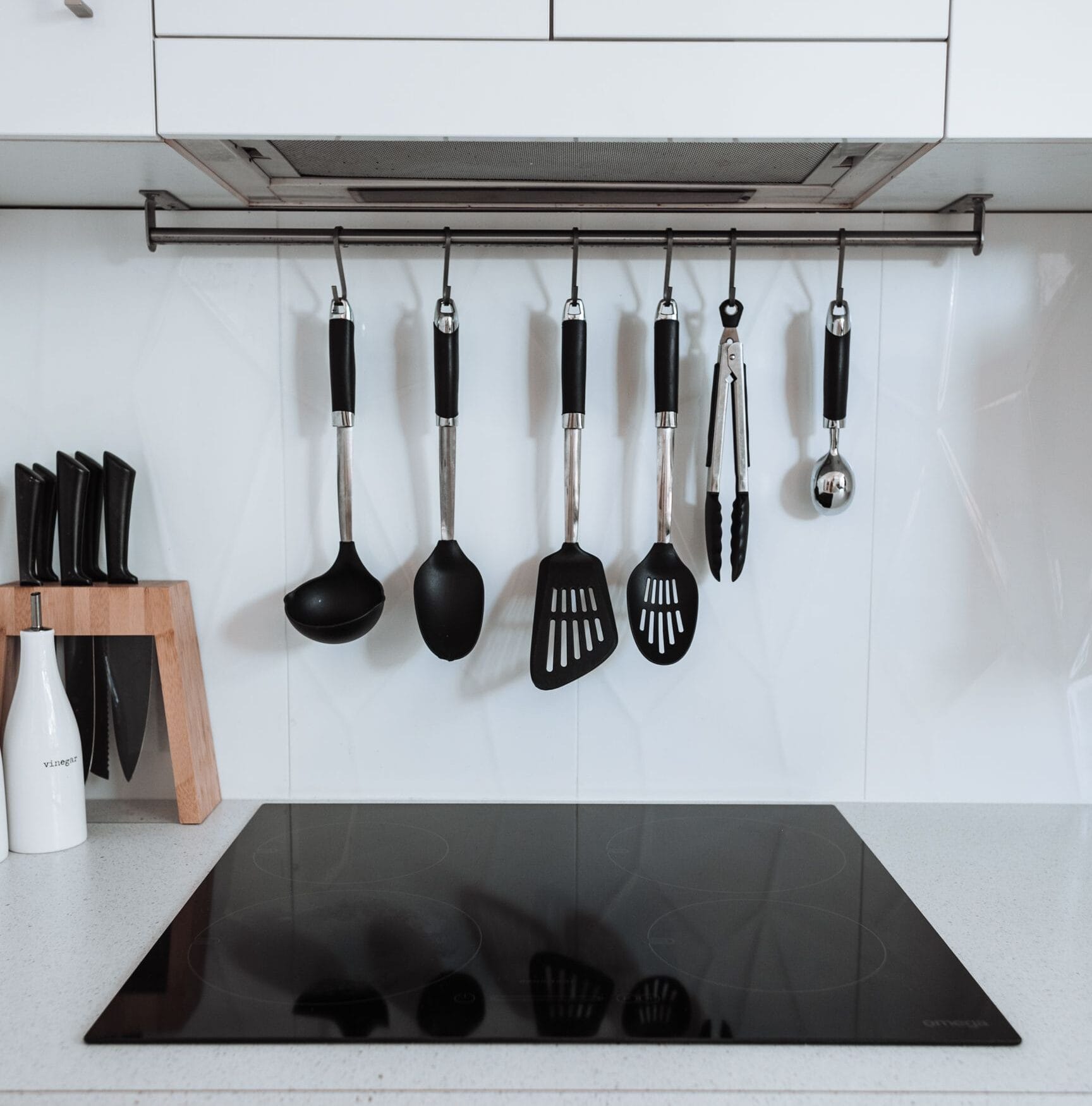
Vertical storage can free up drawer space while making utensils easier to access. Wall mounted rails, hooks, pegboards, or narrow shelves can hold lightweight utensils such as measuring cups, tongs, and wooden spoons. Use the wall space closest to your main preparation or cooking area so the tools remain convenient. Keeping the display limited to useful items also prevents the wall from becoming another cluttered storage zone.
Quick Fix
Choose five utensils you use almost every day and give them one dedicated storage area near the stove. Making the most important tools easier to reach can immediately improve your cooking routine.
Store Measuring Tools Together
Measuring cups and spoons are much easier to use when they are kept together rather than scattered between drawers and cabinets. Place them in one drawer section, baking cabinet, or small container so you can grab the entire set when needed. Nesting measuring cups can save space, while hooks can keep measuring spoons visible if the drawer is already crowded. Keeping these tools together also makes it easier to notice missing pieces.
Create a Serving Utensil Zone
Serving spoons, forks, tongs, salad servers, and other entertaining tools do not need to occupy the same space as everyday cooking utensils. Give them a separate drawer section or container, especially if you use them less frequently. This keeps the main cooking area focused on tools you use every day. When guests arrive, you can quickly find the serving pieces without searching through cooking equipment.
Time Saver
When putting clean utensils away, return each item directly to its assigned section instead of placing everything into one temporary pile. This small habit keeps the organization system working with almost no extra effort.
Use a Countertop Utensil Holder Selectively
A countertop utensil holder can be useful when the kitchen has limited drawer space, but it works best when it contains only the tools you use constantly. Keep a few cooking utensils within reach and store the rest in drawers or cabinets. Choose a holder that is easy to clean and large enough to keep tools upright without overcrowding them. A smaller, curated collection usually makes the counter look more organized than a container overflowing with utensils.
Make Awkward Utensils Easier to Store
Some kitchen tools are difficult to organize because of their shape, length, or attachments. Large whisks, rolling pins, tongs, strainers, and specialty tools may need deeper drawers, cabinet dividers, or wall hooks instead of standard utensil trays. Store these items according to their size and frequency of use rather than forcing them into a drawer that does not fit. Giving awkward tools their own storage solution can prevent them from disrupting the organization of smaller utensils.
Frequently Asked Questions
How do I organize kitchen utensils in a small kitchen?
Start by removing duplicates and rarely used tools, then group the remaining utensils by function. Use drawer dividers, vertical wall storage, and carefully chosen countertop holders to keep frequently used items accessible without filling every surface.
Where should cooking utensils be stored?
Keep frequently used cooking tools close to the stove or main cooking area. Drawers, utensil holders, hooks, and wall mounted rails can all work depending on how much storage space you have.
Should kitchen utensils be stored in drawers or on the counter?
Either can work. Drawers keep the counter clear, while a countertop holder can be convenient for tools you use constantly. The best choice depends on your kitchen layout and cooking habits.
How many kitchen utensils do I really need?
There is no universal number. Keep the tools you regularly use and a reasonable selection for the meals you prepare. Removing duplicates and unused gadgets usually creates more useful space.
How do I organize long kitchen utensils?
Use a deep drawer, tall container, cabinet divider, wall hooks, or a vertical organizer depending on the tool. Keep longer utensils together so they do not interfere with smaller items.
Bottom Line
Knowing how to organize kitchen utensils is mainly about reducing clutter and making your most useful tools easy to reach. Sort utensils by function, remove duplicates, use drawer dividers, create cooking and serving zones, and take advantage of vertical storage when drawer space is limited.
The best system is the one that matches how you actually cook. When every utensil has a clear home and frequently used tools stay close to your workspace, the kitchen becomes easier to navigate and cooking becomes much less frustrating.