

The best way to fit a desk into a small bedroom is to place it where it uses existing wall space without blocking the bed, windows, or main walking path. When learning how to arrange a bedroom with a desk, choose a compact desk, use vertical storage, keep the work area visually simple, and position it near natural light when possible. The goal is to create a useful workspace while protecting enough open floor space for the bedroom to remain comfortable.
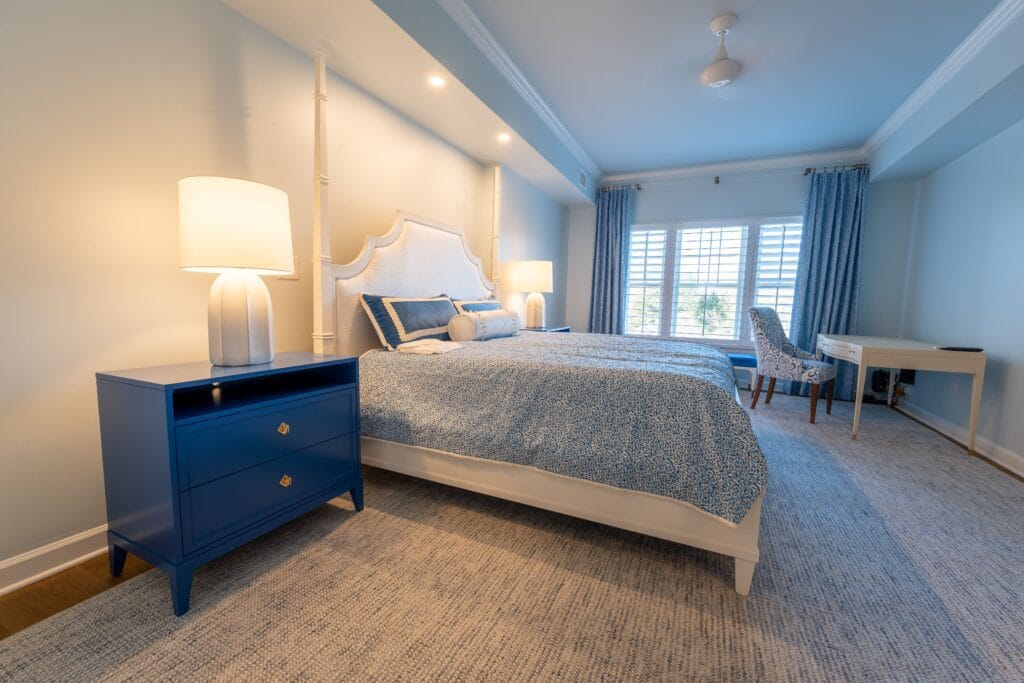
A bedroom with limited space has to work harder because the bed, wardrobe, storage, and desk all compete for the same floor area. Careful placement can help each zone feel separate without requiring a larger room. The key is to use the walls, corners, and underused areas instead of simply adding more furniture.
Place the Desk Against an Empty Wall
An empty wall is often the easiest place to add a desk without disrupting the rest of the bedroom. A narrow desk positioned against the wall can create a clear workspace while keeping the center of the room open. Avoid placing the desk where it blocks drawers, wardrobe doors, or the main path around the bed. A simple desk with clean lines can also reduce visual weight, which is useful when the room is already crowded with furniture.
Pro Tip
Measure the wall and the desk before moving anything. Make sure the chair can slide out comfortably without interfering with the bed or another piece of furniture.
Use a Corner for the Desk
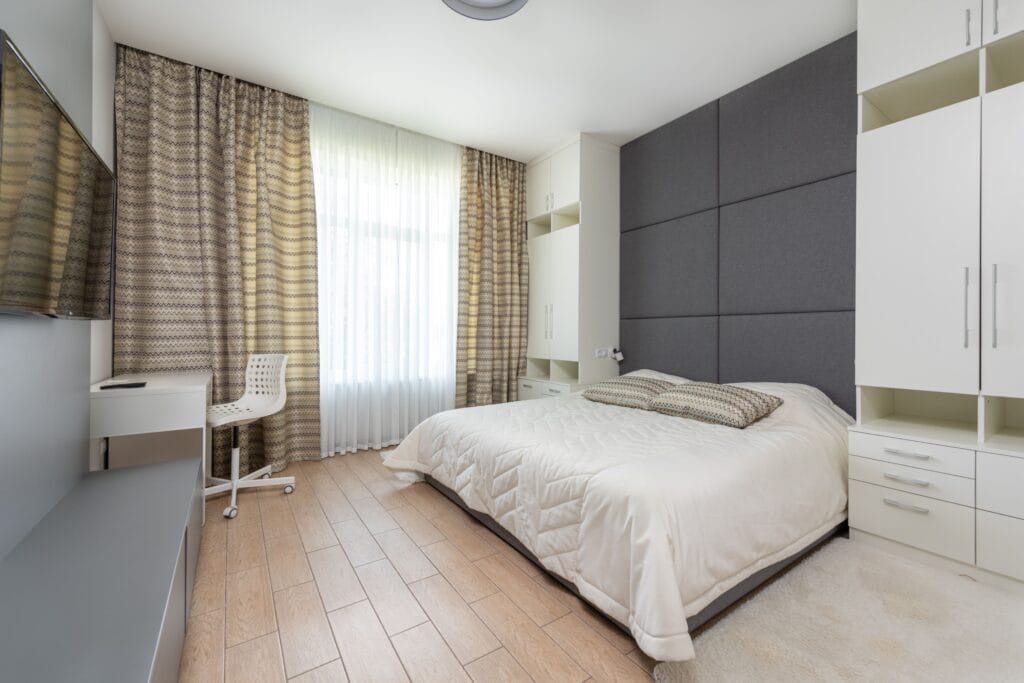
A corner can become valuable workspace when there is not enough room for a desk along a full wall. Choose a compact rectangular desk, corner desk, or narrow table that fits the available width without making the area feel cramped. Position the desk so the chair has enough room behind it and the user does not feel boxed into a tight space. Using a corner also helps separate the workspace from the main sleeping area.
Choose a Compact Desk
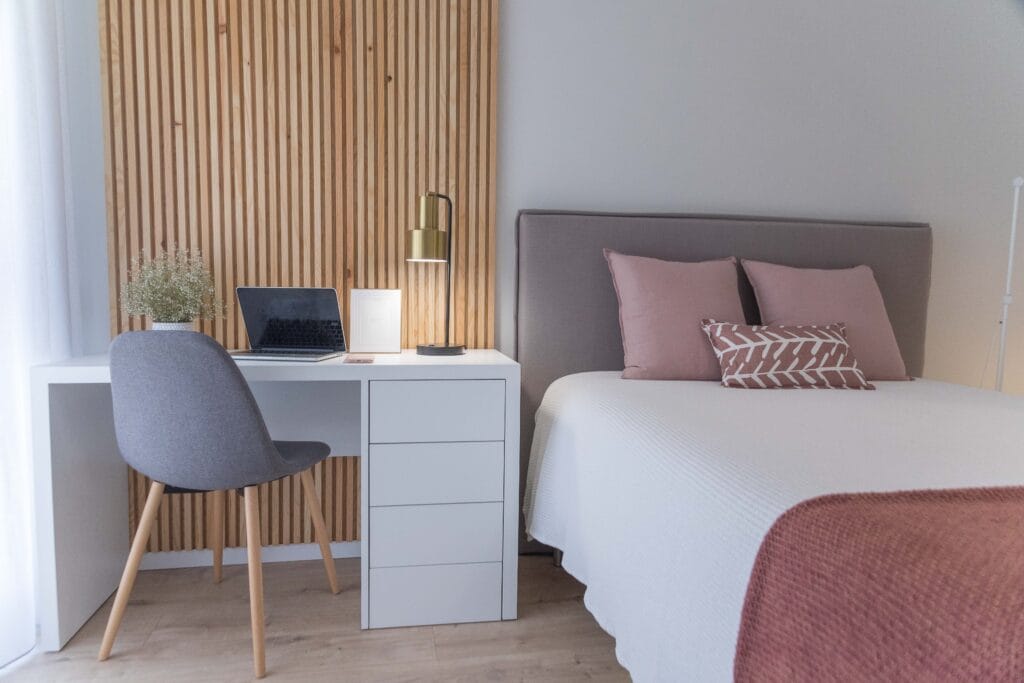
A small bedroom does not always need a tiny desk, but it does need a desk that fits the actual work you do. A narrow writing desk may be enough for a laptop and notebook, while a larger surface may be necessary for creative work or multiple screens. Choose the smallest size that comfortably supports your routine instead of buying a desk based only on appearance. Open legs and a lighter structure can also make the room feel less crowded.
Use Vertical Storage Above the Desk
When floor space is limited, use the wall above the desk for storage instead of adding another cabinet. Floating shelves, wall mounted organizers, pegboards, and narrow shelving can hold books, stationery, headphones, and decorative items without using additional floor area. Keep the display organized and avoid filling every inch of the wall because visual clutter can make a small room feel even tighter. Vertical storage also keeps useful items within reach while leaving the desk surface open.
Keep the Desk Away From the Bed When Possible
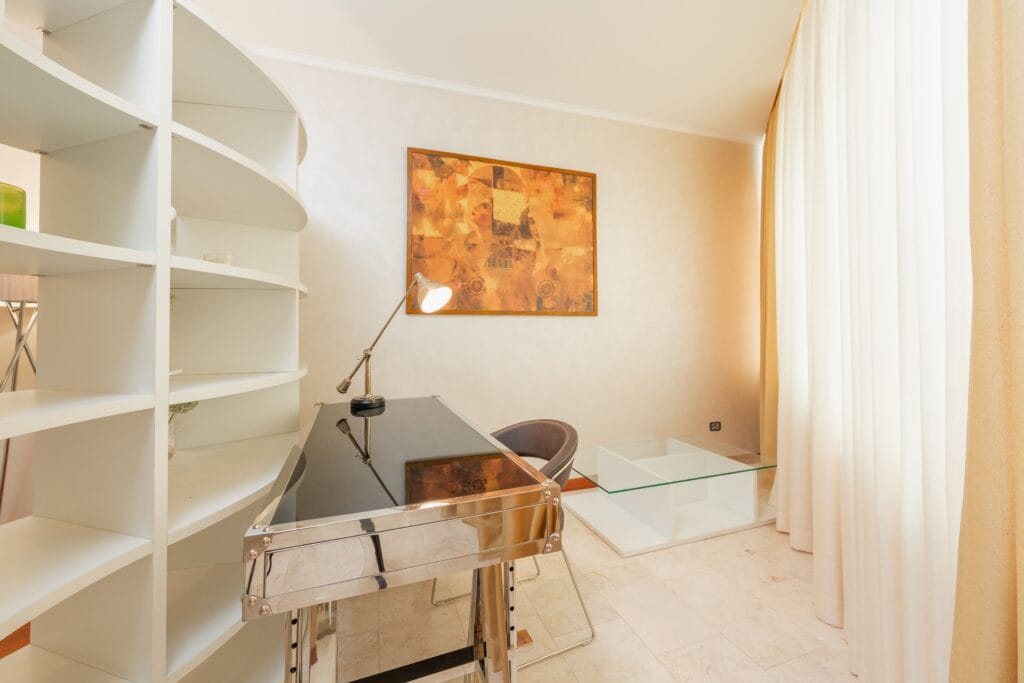
Separating the workspace from the sleeping area can make the bedroom feel more organized and easier to use. When possible, place the desk on a different wall from the head of the bed so the two zones feel visually distinct. If the layout does not allow this, use a small rug, different wall color, shelving, or lighting to create a subtle separation. Keeping work materials contained in one area can also make it easier to switch off mentally when the day is over.
Quick Fix
If the desk and bed are competing visually, remove extra objects from the desk and use one simple lamp or organizer. A cleaner workspace can make the two zones feel much more separate.
Position the Desk Near Natural Light
Natural light can make a small workspace feel brighter and more comfortable during the day. If your window placement allows it, position the desk near the window without blocking curtains or limiting the amount of daylight entering the room. Be mindful of screen glare if you work on a computer and adjust the desk angle when needed. A nearby window can also make a compact desk area feel less enclosed.
Use Furniture With Built In Storage
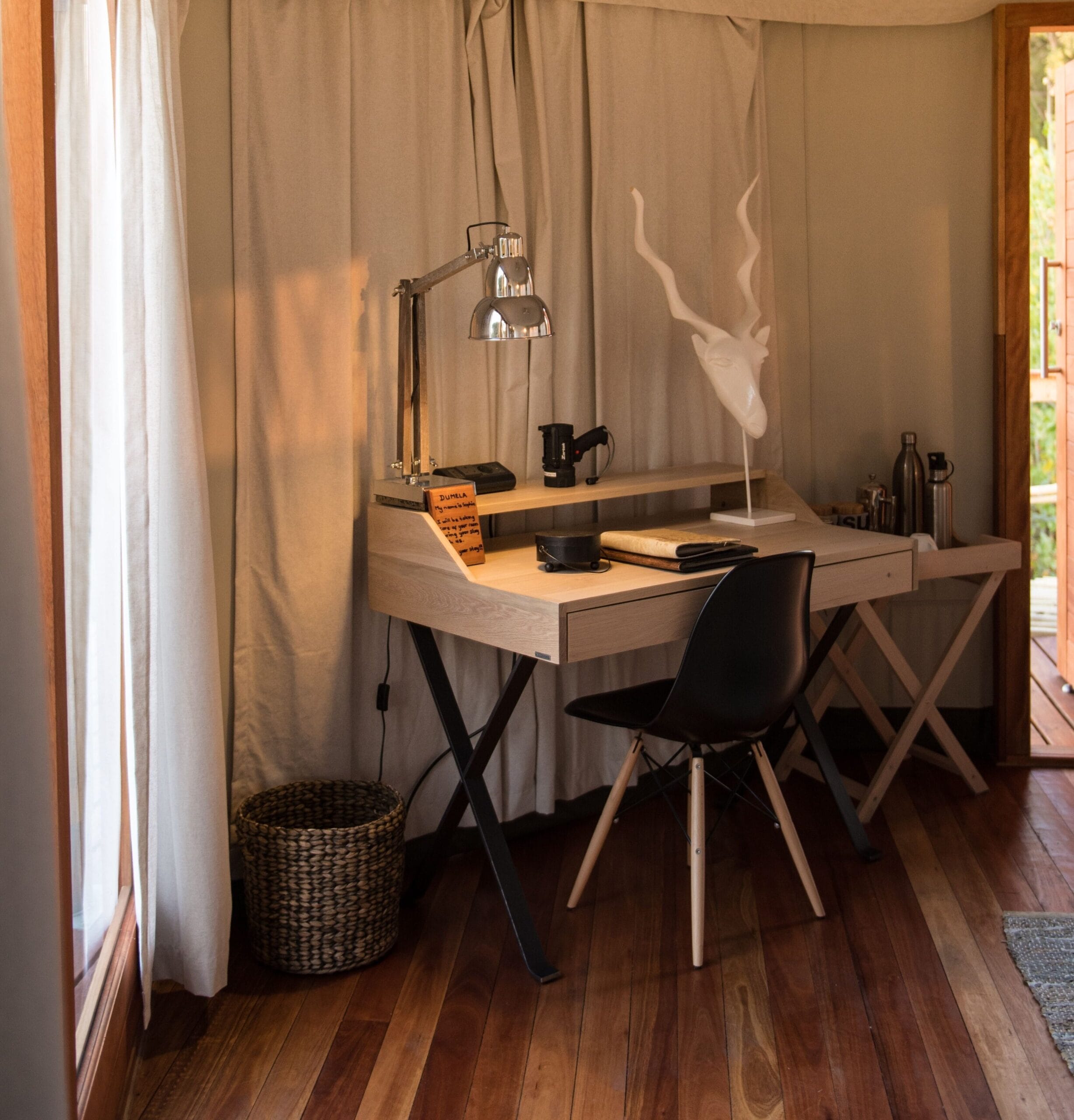
A desk with drawers, shelves, or compartments can reduce the need for extra storage furniture. Choose a design that keeps frequently used items within reach while allowing less attractive supplies to stay hidden. This is particularly useful when the bedroom has limited wall space or cannot accommodate a separate shelving unit. Multifunctional furniture allows the desk to support work and storage at the same time.
Time Saver
Keep only the supplies you use regularly at the desk. Store backups and occasional items elsewhere so the workspace remains easy to reset.
Keep the Chair Easy to Tuck Away
The chair can take up nearly as much space as the desk when it is not being used, so choose one that fits comfortably beneath the surface. A slim chair, armless chair, or lightweight design can make a noticeable difference in a compact bedroom. Make sure it still provides enough support for the amount of time you spend working. Being able to push the chair fully under the desk keeps the walking area more open when the workspace is not in use.
Create a Clear Visual Boundary
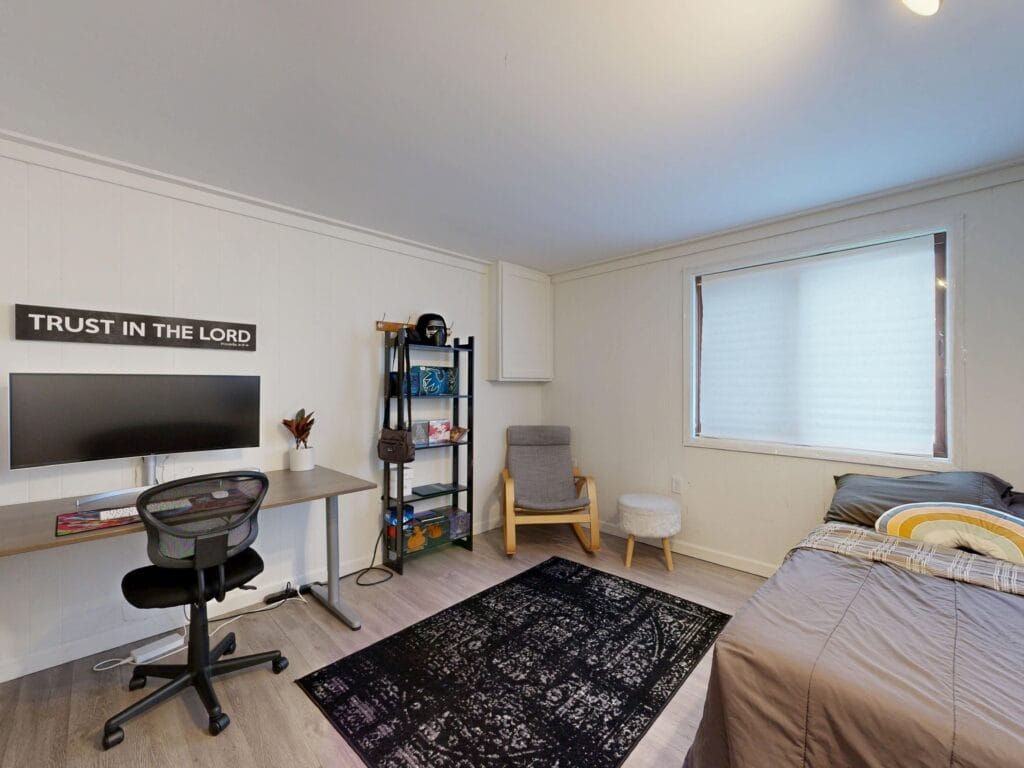
A small bedroom benefits from having recognizable zones for sleeping, working, and storage. You can create a subtle boundary around the desk using a small rug, wall shelf, artwork, or a change in lighting. The division does not need to be dramatic because even a simple visual cue can help the room feel more organized. Keep the colors and materials connected to the rest of the bedroom so the work area feels integrated instead of looking like a separate office.
Frequently Asked Questions
How should I arrange a bedroom with a desk in a small space?
Place the desk against an unused wall or in a corner, keep the center of the room open, and use vertical storage above the desk. Choose furniture that fits comfortably without blocking the bed, wardrobe, windows, or main walking paths.
Where should a desk go in a bedroom?
An empty wall or corner is usually the easiest location. Near a window can also work well when there is enough space and the desk does not interfere with curtains or create uncomfortable screen glare.
What type of desk works best in a small bedroom?
A narrow desk, compact writing desk, wall mounted desk, or desk with built in storage can work well. Choose based on the actual amount of workspace you need rather than buying a larger piece than necessary.
How do I keep a bedroom desk from looking cluttered?
Use drawers, shelves, baskets, and wall organizers to keep supplies contained. Leave some empty space on the desktop and store items you do not use regularly somewhere else.
Can a desk fit beside a bed?
Yes, when there is enough space for comfortable movement and the desk does not interfere with the bed or surrounding furniture. A narrow desk can sometimes fit beside the bed more easily than a standard size model.
Bottom Line
Knowing how to arrange a bedroom with a desk is mainly about protecting open floor space while giving the workspace its own clear area. Use an empty wall or corner, choose a compact desk, take advantage of vertical storage, position the desk near useful natural light, and keep the chair and desktop easy to tuck away.
The desk does not need to dominate the bedroom. When the sleeping area, workspace, and storage each have a clear place, even a tight bedroom can feel organized, comfortable, and practical.