
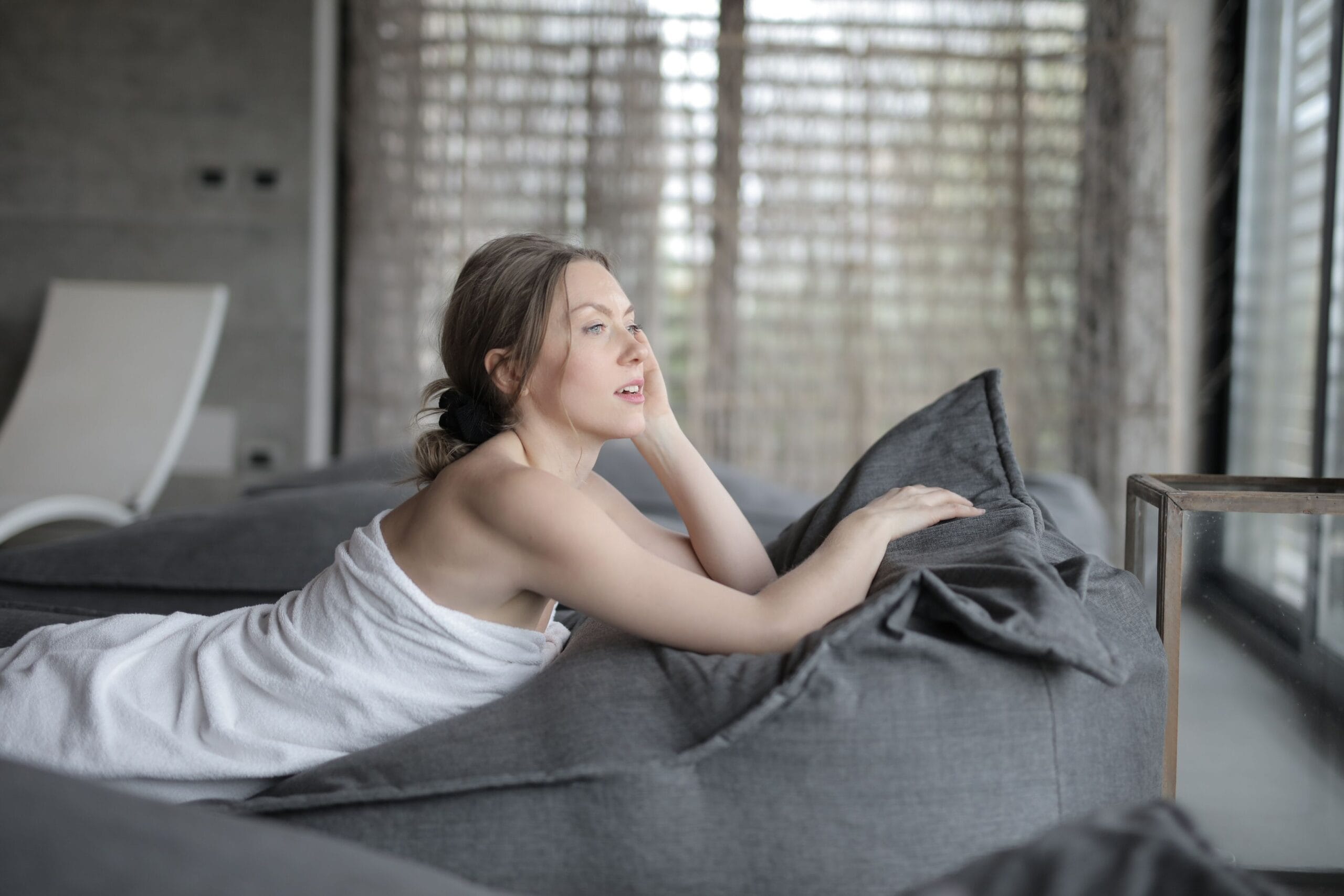
A relaxing room starts with comfortable furniture, soft lighting, calming colors, layered textures, and less visual clutter. These relaxing room ideas can help create a space where you can read, rest, listen to music, or simply slow down at the end of the day. The goal is not to fill the room with decorative items but to create an atmosphere that feels comfortable and easy to spend time in.
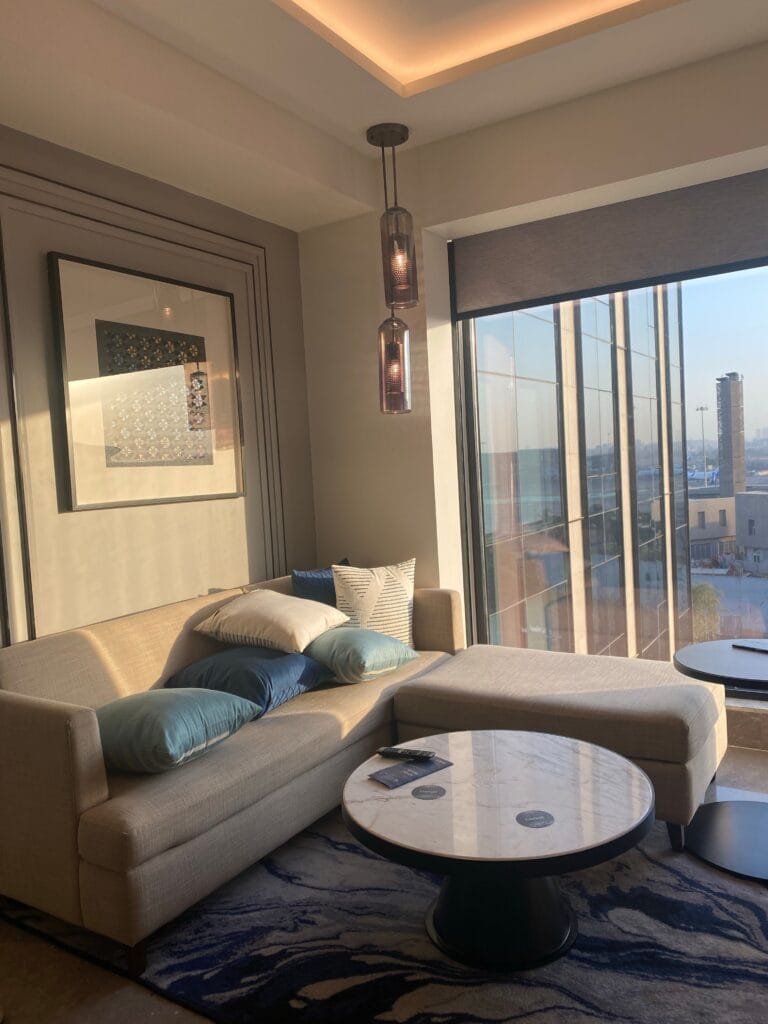
A truly relaxing space should also reflect how you naturally unwind. Some people prefer a quiet reading corner, while others want a comfortable place to watch television, stretch, journal, or enjoy a cup of tea. Once you know what makes you feel comfortable, the furniture and décor become much easier to choose.
Choose Comfortable Seating
Comfort should be the first priority when choosing furniture for a relaxing room. A deep armchair, comfortable sofa, chaise lounge, or cushioned bench can give you a place to settle in without needing a large furniture arrangement. Choose upholstery that feels pleasant and supportive, then position the seating near natural light or another calming feature. The furniture should be comfortable enough for long periods of use rather than chosen only because it looks attractive.
Use Warm Layered Lighting
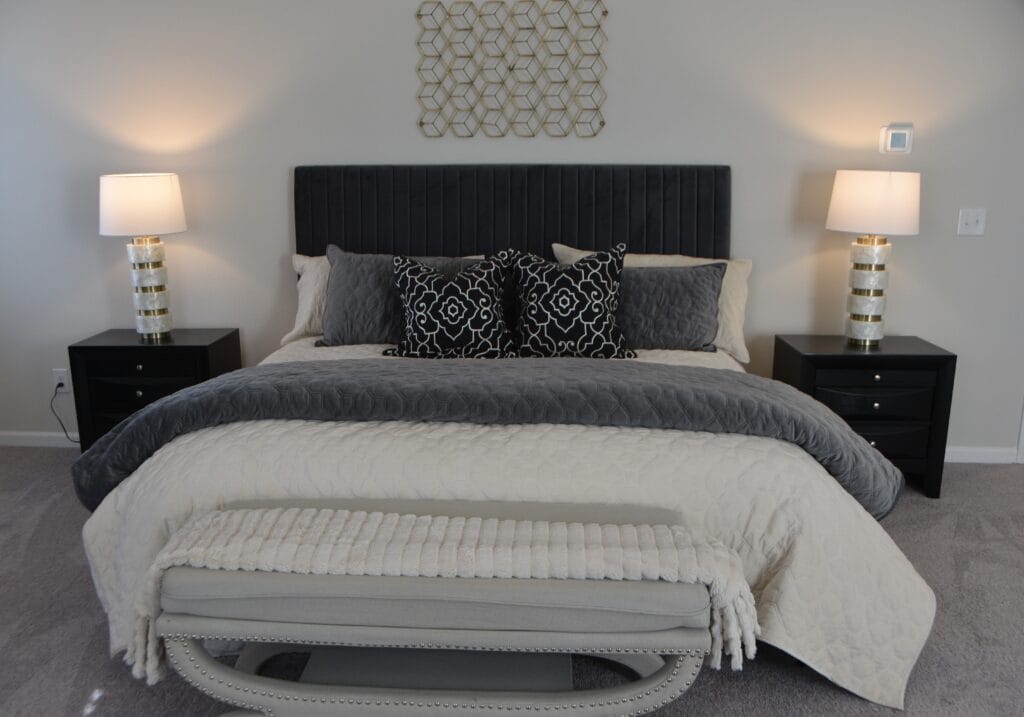
Lighting can completely change the atmosphere of a room, especially in the evening. Combine table lamps, floor lamps, wall lights, and softer accent lighting instead of relying entirely on a bright ceiling fixture. Warm bulbs can make fabrics, wood, and other textures feel softer while creating a more intimate atmosphere. Place lights at different heights so you can create several levels of illumination depending on whether you are reading, relaxing, or simply resting.
Pro Tip
Keep one warm lamp close to your main seating area and use it as your primary evening light. A smaller pool of light can feel much calmer than lighting the entire room brightly.
Choose Calming Colors
The right colors can make a room feel noticeably more peaceful. Warm white, cream, beige, soft gray, muted green, dusty blue, taupe, and earthy brown can all create a calming foundation. You do not need to repaint every wall to introduce these colors. Bedding, curtains, cushions, rugs, artwork, and smaller furniture pieces can gradually bring softer shades into an existing room without requiring a complete redesign.
Add Soft Textures
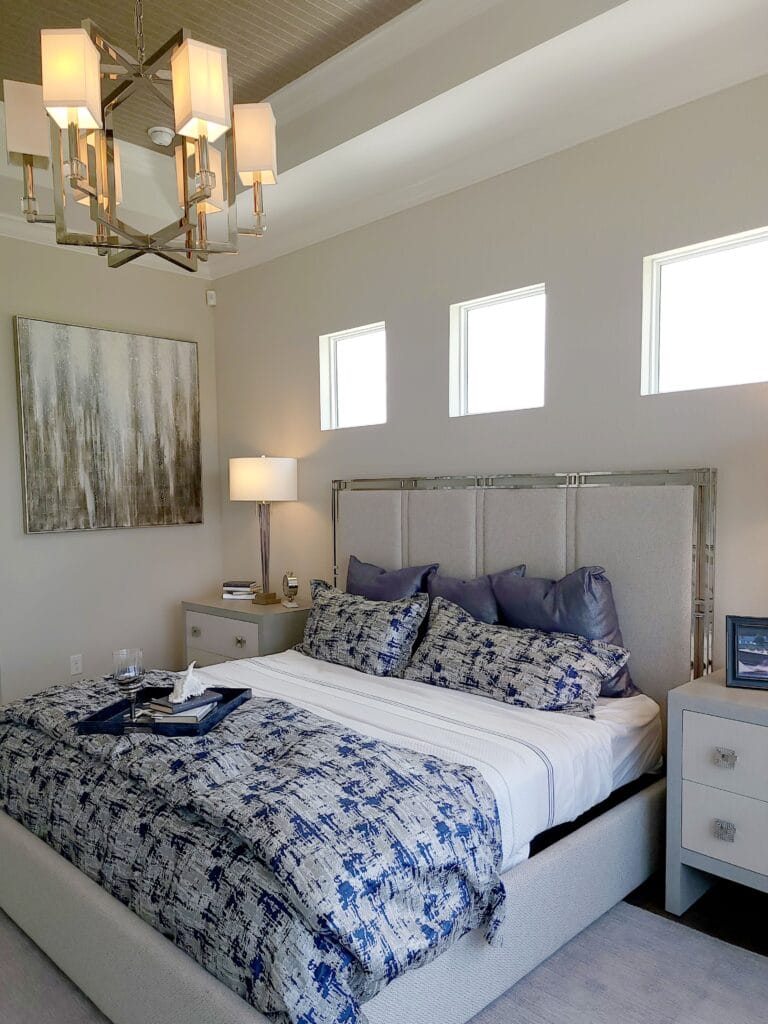
A relaxing room should feel comfortable as well as look comfortable, so use fabrics and materials that add softness. A wool or cotton rug, linen curtains, knitted throw, upholstered furniture, and textured cushions can create layers without making the room feel busy. Choose a few materials that complement one another and repeat them around the space. Texture provides visual interest while keeping the color palette calm.
Create a Reading Corner
A small reading area can give the room a clear purpose while creating a dedicated place to unwind. Add a comfortable chair, a small side table, and a warm floor or table lamp near a window or quiet corner. Keep a few favorite books within reach and add a soft throw for extra comfort. The area does not need to be large. Even a small corner can become a relaxing feature when the furniture is arranged around the activity you want to enjoy there.
Quick Fix
Move an existing comfortable chair into the quietest corner of the room and add a lamp beside it. You may already have everything needed for a relaxing reading area.
Bring in Natural Materials
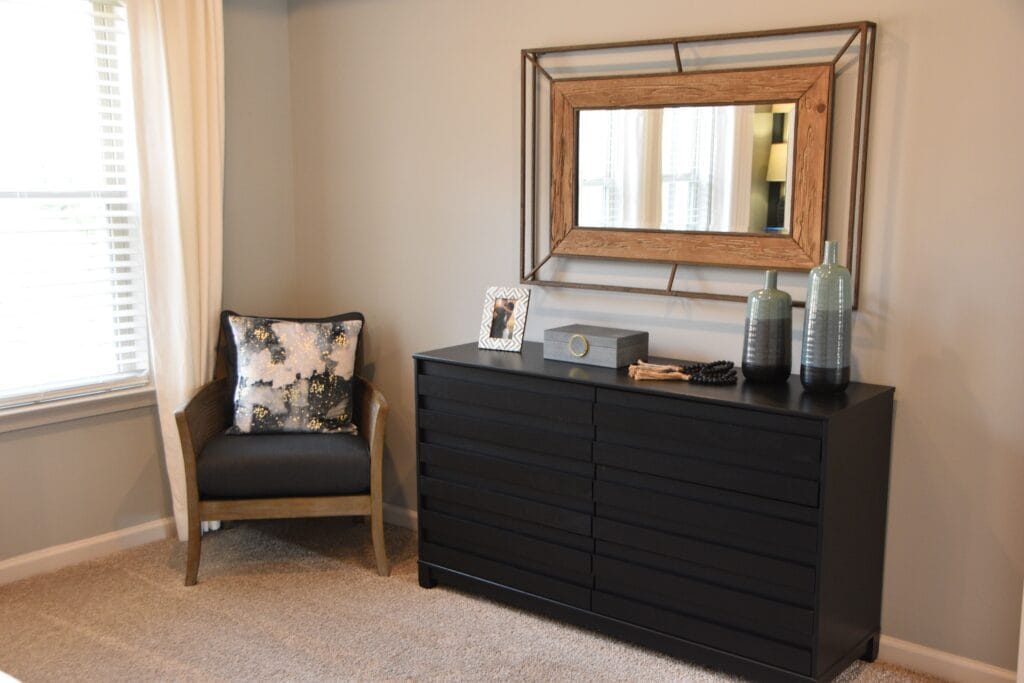
Natural materials can make a room feel warmer and less artificial. Wood furniture, linen, cotton, woven baskets, ceramics, stone, and natural fiber rugs can all introduce subtle texture and warmth. You do not need to use every material together. Choose two or three that work with your existing furniture and repeat them throughout the room so the space feels connected and grounded.
Add Greenery
Plants can bring a natural element into a relaxing room while adding a gentle amount of color. A larger plant beside a chair, a small plant on a side table, or a simple branch arrangement can make the space feel more alive without creating visual clutter. Choose plants that suit the amount of natural light available and use simple planters that complement the furniture. A few carefully placed plants are usually more effective than filling every surface with greenery.
Keep Surfaces Clear
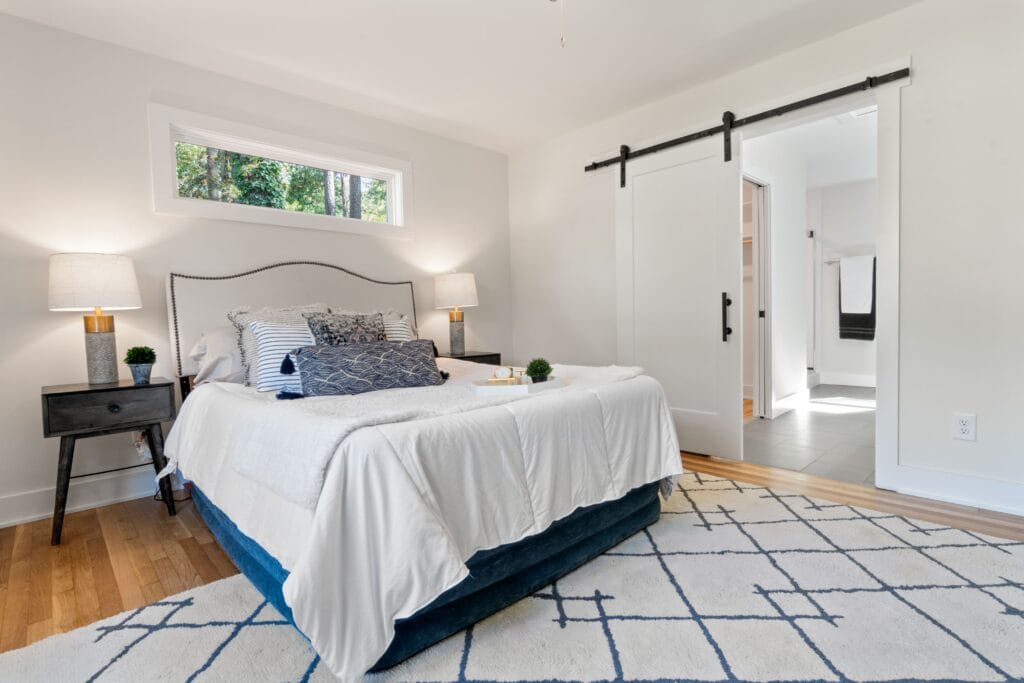
Too much visual clutter can make it harder to relax, even when the furniture and colors are comfortable. Clear unnecessary objects from tables, shelves, and floors and give everyday belongings a designated storage place. Use baskets, cabinets, drawers, and storage furniture to keep things contained while leaving enough open space around the main furniture. A room with fewer distractions can feel noticeably calmer.
Time Saver
Spend five minutes before bed returning loose items to their storage places. A quick daily reset keeps the room feeling peaceful without requiring a major cleaning session.
Add Personal Details
A relaxing room should feel personal rather than generic. Display a favorite photograph, a few meaningful books, artwork you enjoy, or an object connected to a special memory. These details can make the space feel familiar and comforting without adding unnecessary decoration. Choose a small collection rather than displaying everything you own so the room maintains enough visual breathing room.
Frequently Asked Questions
What makes a room feel relaxing?
Comfortable furniture, warm lighting, soothing colors, soft textures, natural materials, personal objects, and limited clutter can all contribute to a more relaxing atmosphere.
What colors are best for a relaxing room?
Warm white, cream, beige, muted green, dusty blue, soft gray, taupe, and earthy shades can create a calm foundation. Choose colors that work with the natural light in the room.
How can I make a room relaxing without buying new furniture?
Rearrange existing furniture, change the lighting, add softer textiles, remove clutter, and move a comfortable chair into a quieter corner. Small changes can noticeably alter the atmosphere.
Does lighting affect how relaxing a room feels?
Yes. Warm, layered lighting generally creates a softer atmosphere than a single bright ceiling light. Use smaller lamps around areas where you sit and relax.
How much décor should a relaxing room have?
Keep only the pieces that add comfort, meaning, or useful function. Leaving some empty space helps prevent the room from feeling visually overwhelming.
Bottom Line
The best relaxing room ideas focus on making the space comfortable rather than simply making it look decorative. Comfortable seating, warm lighting, calming colors, soft textures, natural materials, greenery, clear surfaces, and personal details can work together to create an inviting atmosphere.
Start with the features that make the biggest difference to how you actually relax. When the room supports your habits and gives you enough visual and physical space to unwind, it naturally becomes somewhere you want to spend more time.