

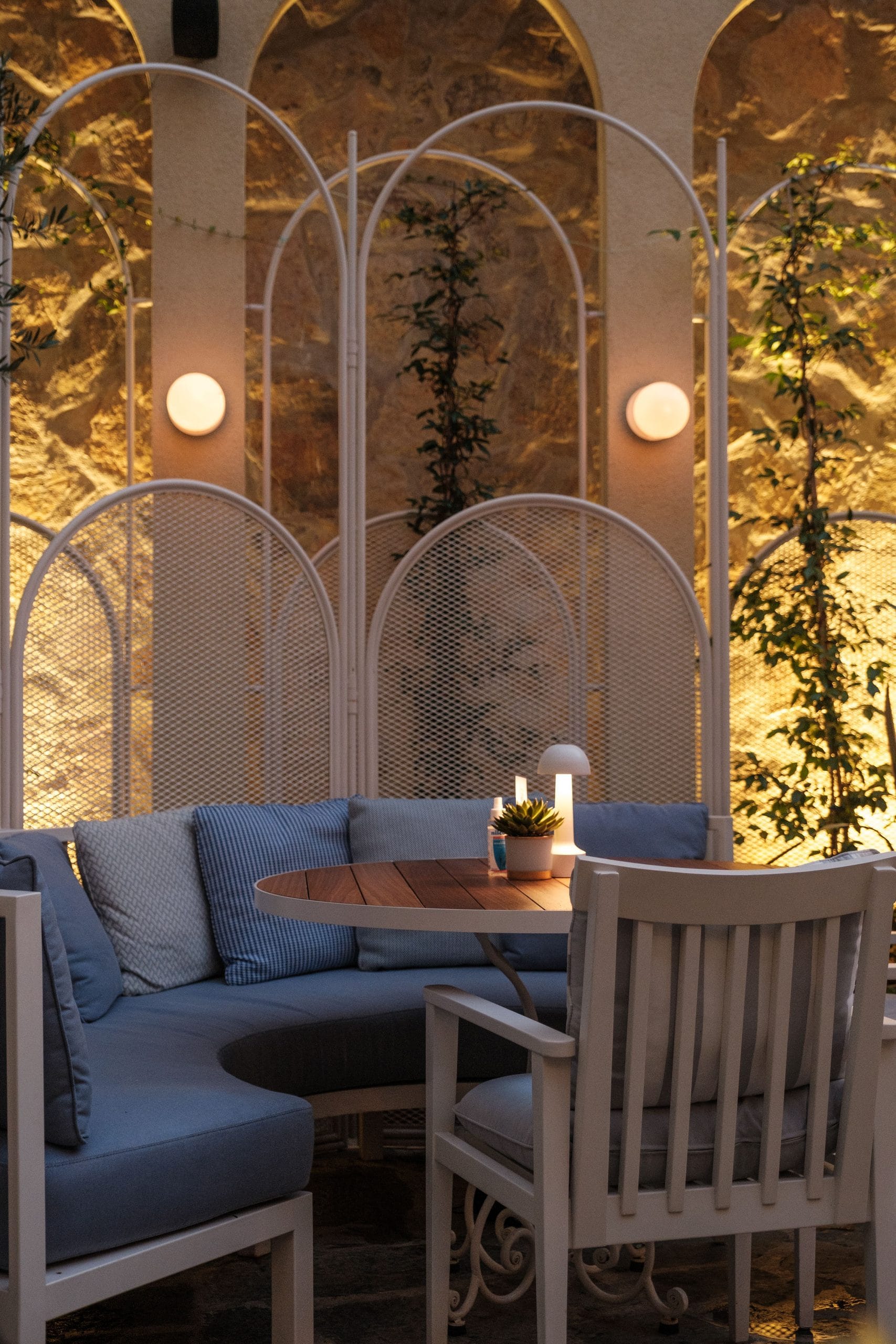
The easiest way to make a backyard feel more inviting after dark is to combine several types of outdoor lighting instead of relying on one bright fixture. Use warm lights around seating areas, pathways, plants, steps, and entertaining spaces to create layers of illumination without making the yard feel overly bright. These backyard lighting ideas can bring warmth and atmosphere to an outdoor space while also making it easier to use in the evening.
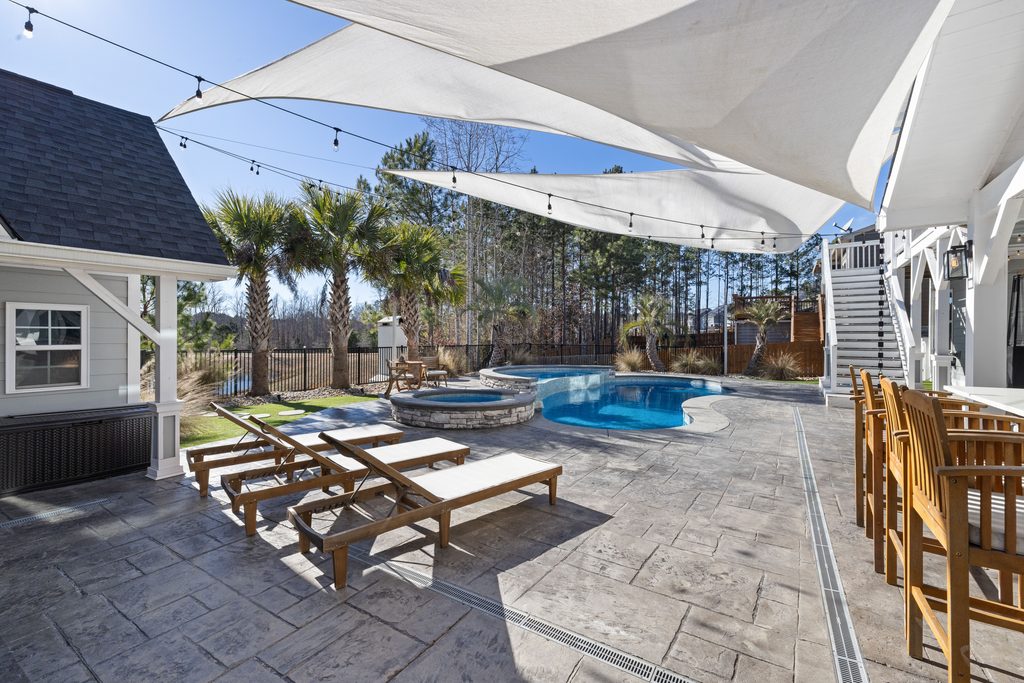
Outdoor lighting works best when it serves both a practical and decorative purpose. Path lighting can make walking areas easier to navigate, while string lights and lanterns can create a softer atmosphere around seating and dining areas. A few well placed fixtures can often have more impact than covering the entire yard with lights.
Hang String Lights Over the Seating Area
String lights are one of the easiest ways to create a warm atmosphere in a backyard. Hang them above a patio, pergola, seating area, or outdoor dining space to create a soft ceiling of light that makes the area feel more defined. Warm white bulbs usually work well because they complement natural wood, plants, and outdoor furniture without creating a harsh appearance. Keep the strands arranged neatly and use sturdy outdoor rated supports so the display remains secure.
Line Walkways With Path Lights
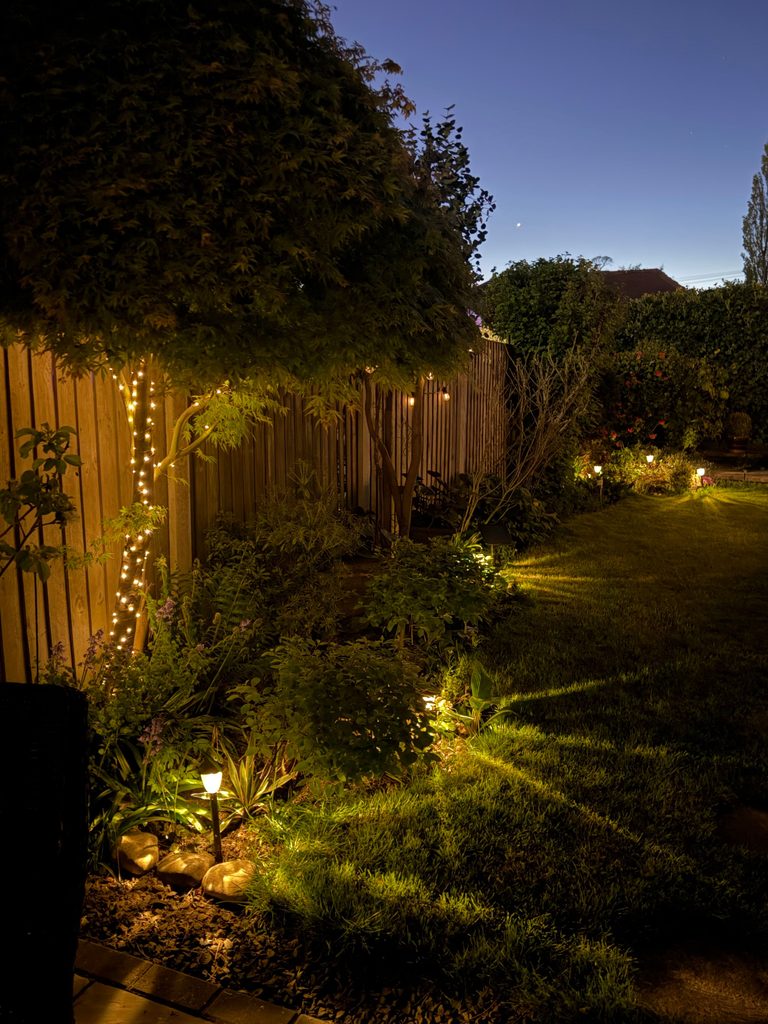
Path lights can make garden paths, steps, and walkways easier to navigate while adding another layer of evening lighting. Place them at regular intervals along the edges of a pathway rather than directly in the center so the light remains subtle. Low fixtures work well when you want the planting and landscaping to remain the focus. Choose a warm light temperature when possible so the path feels connected to the softer lighting used throughout the rest of the yard.
Pro Tip
Space path lights so their pools of light overlap slightly rather than leaving large dark gaps between fixtures. This creates a smoother and more comfortable pathway at night.
Add Lanterns Around Outdoor Seating
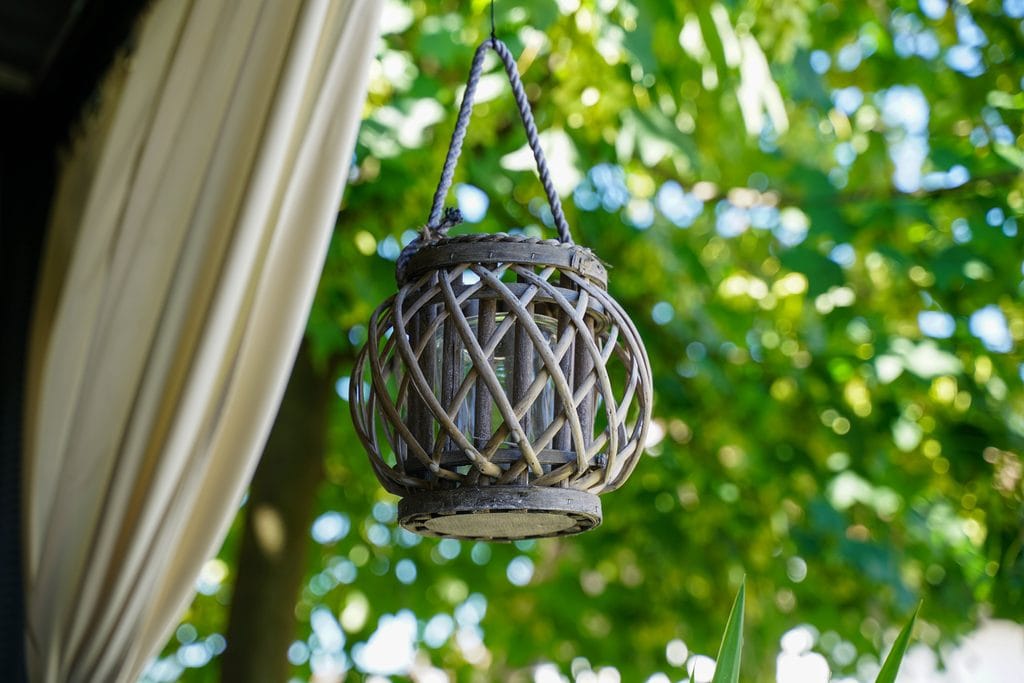
Lanterns can bring a softer and more flexible source of light to patios, decks, and garden seating areas. Place them on the ground beside chairs, on outdoor tables, or along the edge of a patio to create small pools of warm light. Choose lanterns that suit the style of the furniture, whether that means simple metal, woven materials, wood, or glass. Battery powered or solar lanterns can also be useful when you want flexible placement without extending electrical wiring.
Highlight Trees and Plants
Lighting can make landscaping much more noticeable after sunset when it is aimed carefully at trees, shrubs, grasses, or architectural plants. Place a few low fixtures near the base of larger plants and angle the light upward to highlight the shape of the foliage. This technique works particularly well with trees that have interesting trunks or branches. Keep the lighting subtle so the plants appear naturally illuminated instead of looking brightly exposed.
Use Wall Lighting Near the Patio
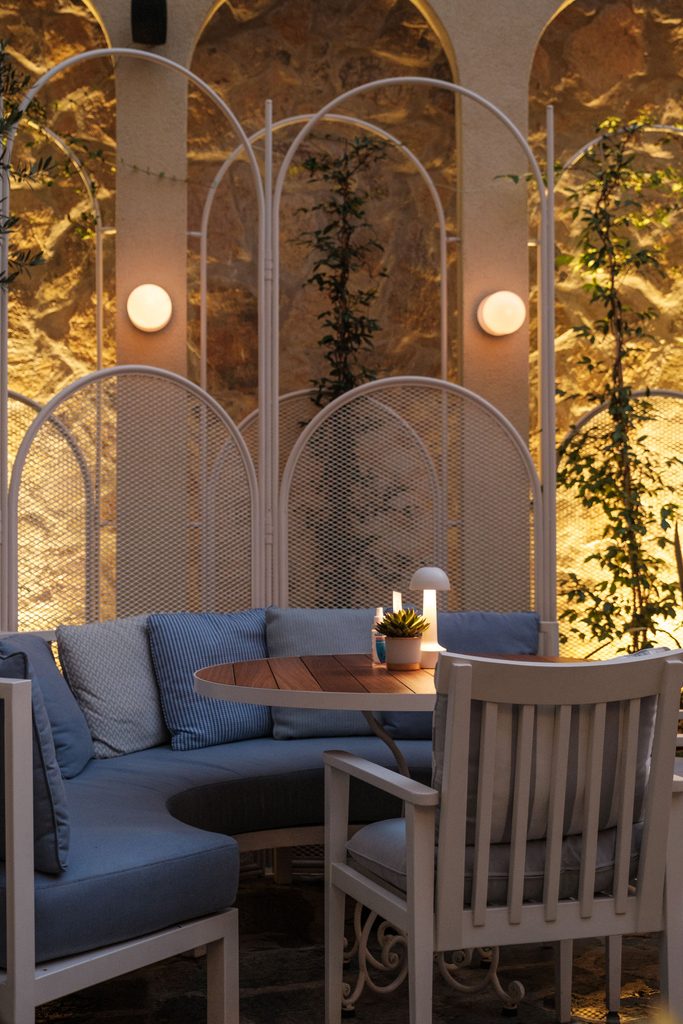
Wall mounted lights can provide useful illumination around exterior doors, patios, and outdoor dining areas while adding structure to the space. Sconces placed beside a door or along an exterior wall can create balanced pools of light that make the area feel more finished. Choose fixtures that complement the architecture of the home and use warm bulbs to soften the appearance in the evening. Wall lighting can also reduce the need for brighter overhead fixtures.
Quick Fix
Replace one overly bright outdoor bulb near the patio with a warmer bulb and add one smaller light source nearby. The combination can immediately make the seating area feel more comfortable.
Light Steps and Changes in Level
Steps, raised patios, and changes in elevation need good visibility after dark. Small step lights, recessed fixtures, or low wall lights can illuminate these areas without creating a strong glare. Place the lights where they clearly define the edges of each step while keeping the fixtures as visually subtle as possible. This type of lighting is especially useful in larger yards where guests may move between different outdoor areas during the evening.
Create a Cozy Dining Area
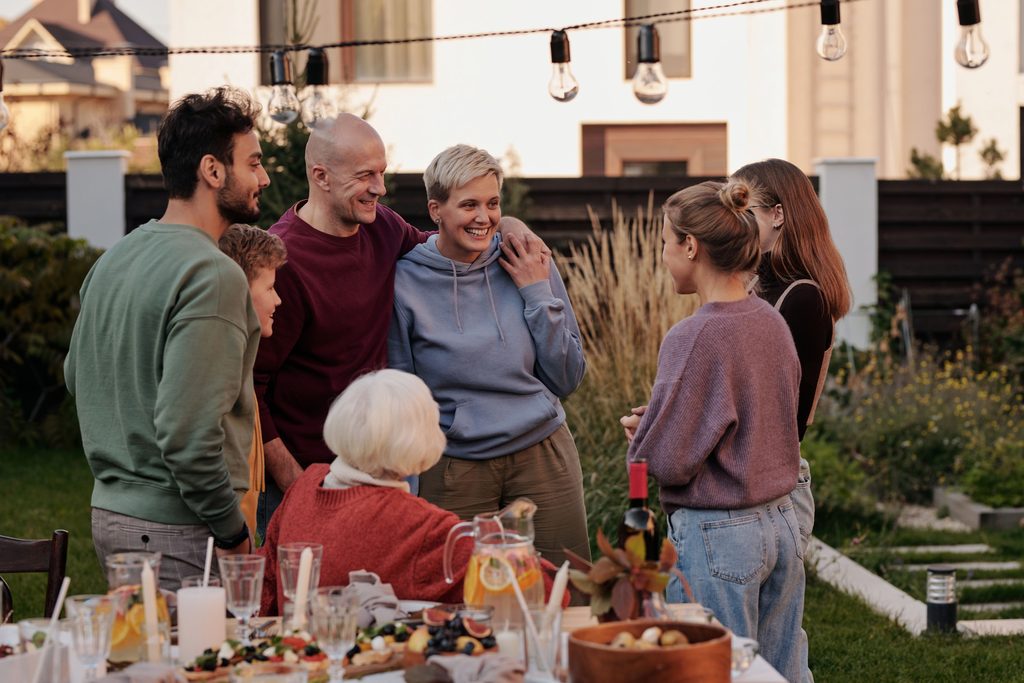
A dining area can feel much more inviting with lighting placed directly above or around the table. A pendant style outdoor fixture, string lights, lanterns, or a nearby wall light can create a defined dining zone while keeping the surrounding yard darker. Choose warm illumination that allows people to see their food and each other comfortably without making the entire backyard feel brightly lit. A few candles or small table lights can provide another layer when you want an even softer atmosphere.
Add Subtle Accent Lighting Around Garden Features
Use accent lighting to draw attention to features you want to enjoy after dark, such as a fountain, sculpture, raised garden bed, decorative wall, or architectural feature. One or two carefully aimed lights can create shadows and depth that make the feature more noticeable without overwhelming the surrounding landscape. Keep the lighting restrained and avoid illuminating every garden element because contrast between light and shadow is part of what makes outdoor lighting feel atmospheric.
Time Saver
Turn the backyard lights on after sunset and walk through the space from several angles. This makes it easier to notice areas that are too dark, overly bright, or missing a useful layer of light.
Frequently Asked Questions
What type of lighting is best for a backyard?
A combination of string lights, path lights, lanterns, wall fixtures, and landscape lighting usually creates the most balanced result. Different types of light can serve different areas while keeping the overall atmosphere comfortable.
What color temperature is best for backyard lighting?
Warm light is generally a comfortable choice for seating and entertaining areas because it creates a softer atmosphere. Practical areas such as steps and pathways can also use warm lighting as long as visibility remains clear.
How do I make my backyard cozy at night?
Layer warm lighting around seating, pathways, plants, and dining areas instead of relying on one bright fixture. String lights, lanterns, and subtle landscape lights can create a more intimate atmosphere.
Should backyard lights be bright?
They should be bright enough for safe movement and practical activities without creating unnecessary glare. Several lower intensity lights can often create a better result than a small number of extremely bright fixtures.
Where should I place backyard lights?
Focus on areas people use after dark, such as paths, steps, patios, seating areas, dining spaces, entrances, and key landscape features. Start with practical lighting and then add decorative layers.
Bottom Line
The best backyard lighting ideas create layers rather than flooding the entire yard with bright light. String lights can define seating areas, path lights can guide movement, lanterns can add warmth, and landscape lighting can highlight plants and architectural features.
Start with the areas you use most often and build the lighting outward from there. When practical fixtures and softer decorative lights work together, the backyard becomes easier to use at night while also feeling warmer, more inviting, and full of character.