

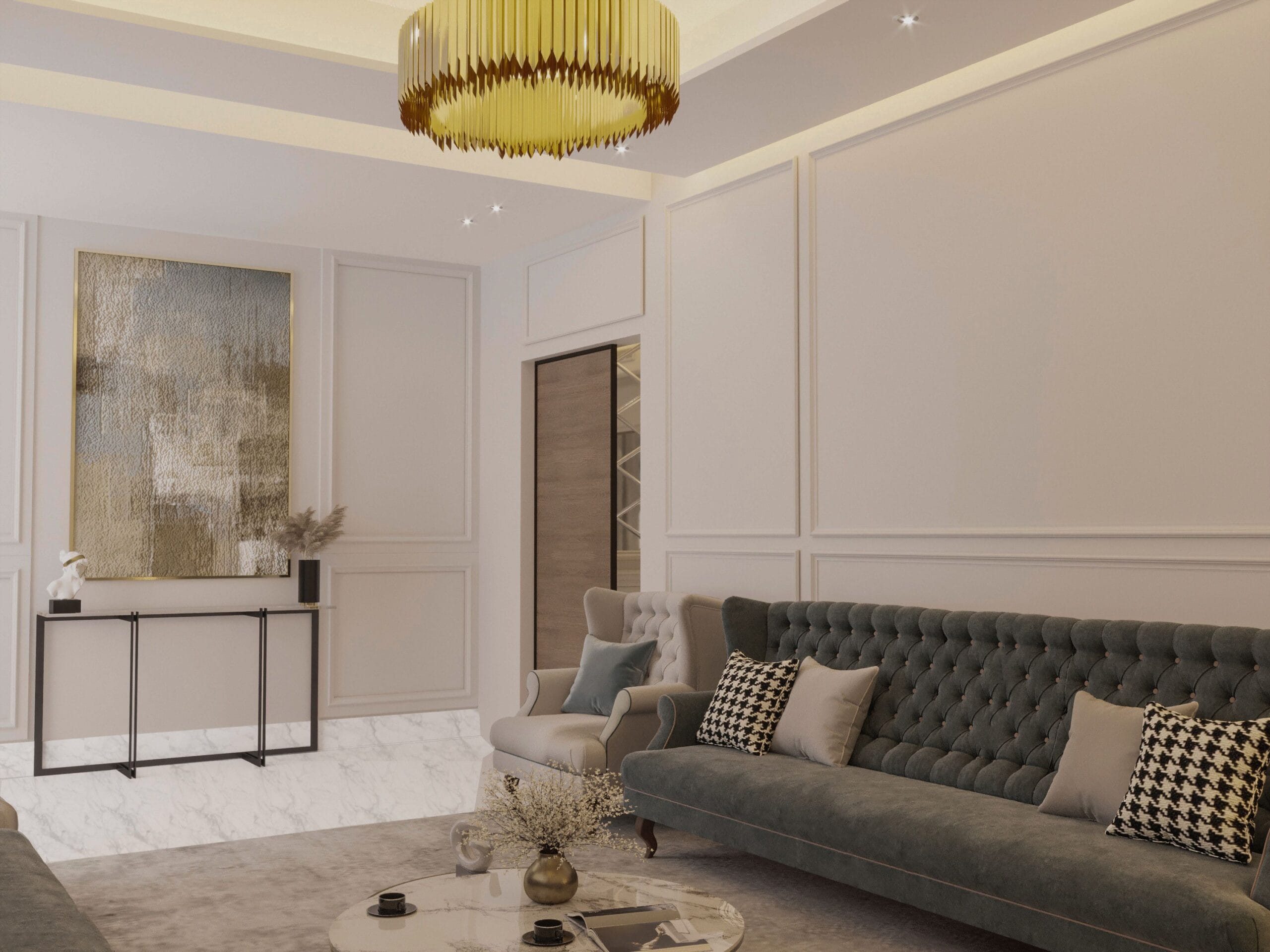
The easiest way to make a living room wall feel cozy is to combine artwork, warm lighting, natural textures, shelves, mirrors, and a few personal details instead of leaving the wall completely bare. When considering how to decorate a living room wall, start with the size and position of the wall, then choose one main feature and build around it without filling every inch. A thoughtful wall arrangement can make the entire living room feel warmer without adding more furniture.
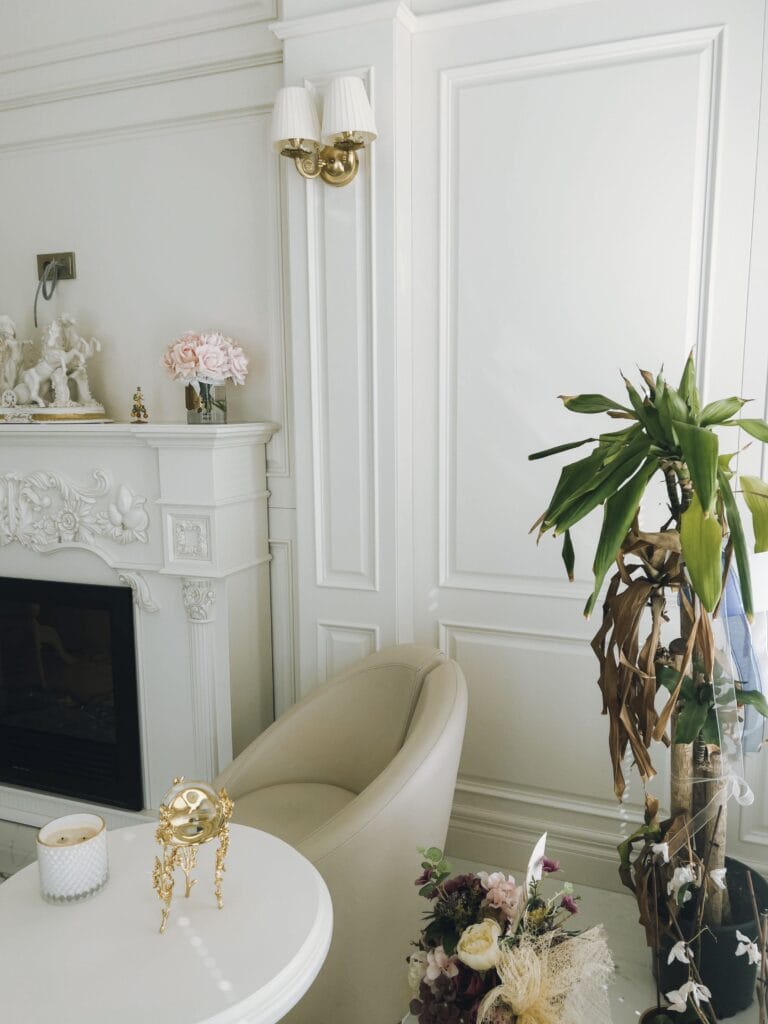
A living room wall can have a major effect on the atmosphere of the space because it provides a large visual backdrop for the furniture. The right combination of color, texture, lighting, and decoration can make a plain wall feel connected to the rest of the room. The goal is to create interest while leaving enough open space for the wall to breathe.
Create a Gallery Wall
A gallery wall can instantly give a living room more personality and warmth. Combine family photographs, artwork, botanical prints, illustrations, or other meaningful pieces using frames that share a similar finish or color. The arrangement does not have to be perfectly symmetrical, but the spacing should feel intentional. A gallery wall works particularly well above a sofa because it fills the empty space while creating a natural focal point that connects the seating area with the rest of the room.
Add One Large Piece of Artwork
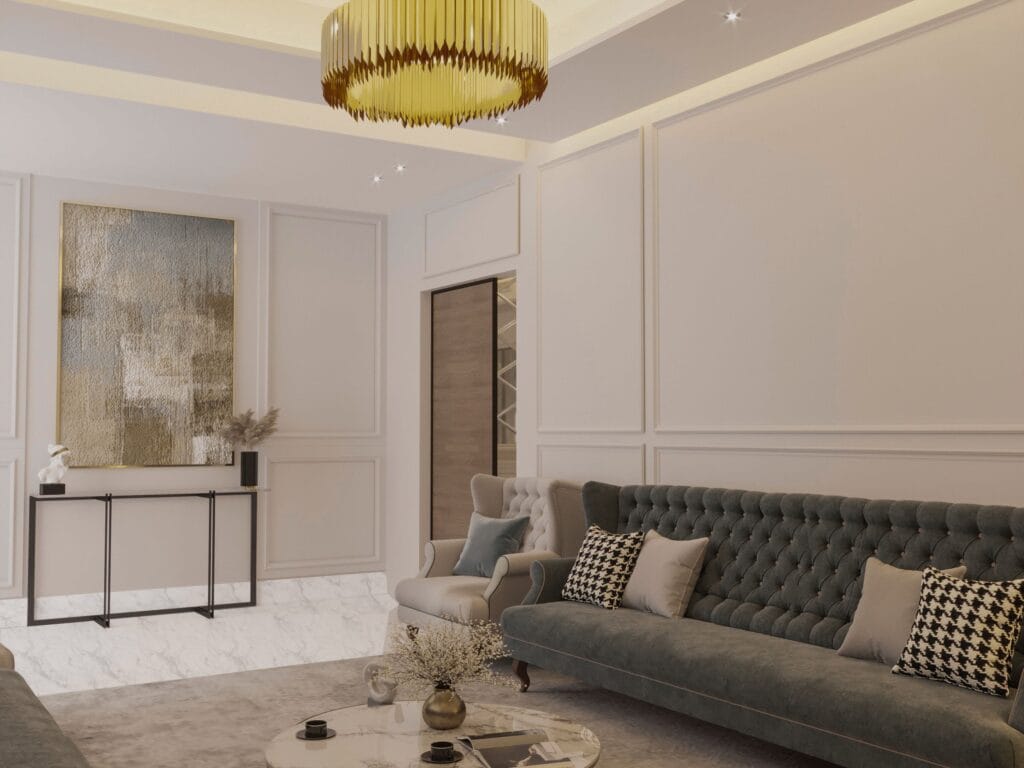
One oversized artwork piece can often make a stronger impact than several small decorations. Choose a painting, landscape, abstract piece, photograph, or print that complements the colors already present in the room. A large piece can fill an empty wall without making the space feel cluttered, especially when the surrounding furniture and accessories are relatively simple. The artwork should have enough visual weight to relate to the size of the wall and sofa rather than appearing too small.
Pro Tip
Choose artwork that includes one or two colors already used in your rug, cushions, curtains, or furniture. This creates a visual connection without requiring everything to match.
Use Floating Shelves
Floating shelves can add both storage and character while keeping the floor completely open. Use them to display books, small plants, ceramics, framed photographs, and a few decorative objects that have personal meaning. Avoid filling every shelf from end to end because some empty space makes the display feel calmer. Combining objects of different heights also creates more depth and keeps the shelves from looking too uniform.
Bring in Natural Wood
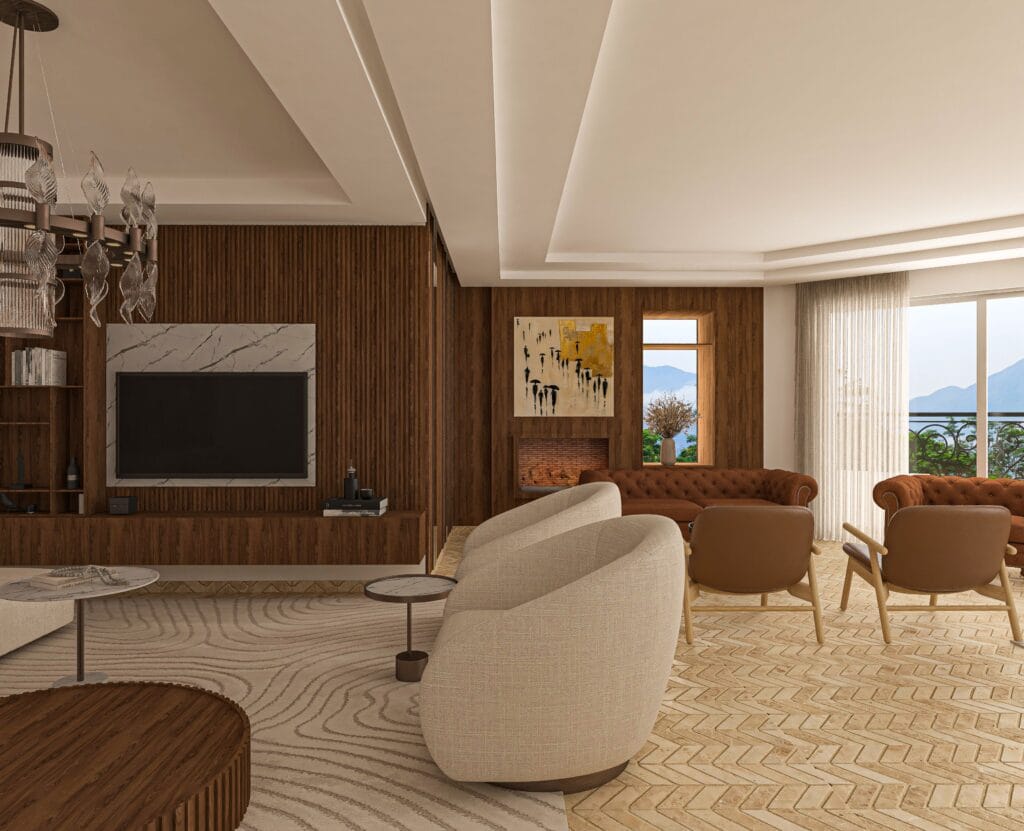
Wood can make a living room wall feel warmer and more connected to nature. A wood panel feature, wooden shelves, a large wood framed mirror, or simple decorative pieces can introduce texture without overwhelming the room. Light wood creates a brighter appearance, while medium and dark wood can make the wall feel richer and more intimate. Repeat the same wood tone in another part of the room so the feature feels integrated with the furniture.
Add a Large Mirror
A mirror can make a living room feel brighter while providing a decorative focal point. Position a large mirror where it can reflect natural light from a window or reflect another attractive part of the room. A wood, black, or warm metal frame can reinforce the existing furniture style. A large mirror is particularly useful when the wall feels empty but you do not want to add several decorative pieces.
Quick Fix
If the wall above the sofa feels empty, try one large mirror or artwork piece before adding several smaller objects. A stronger single feature often creates a cleaner result.
Use Wall Lighting
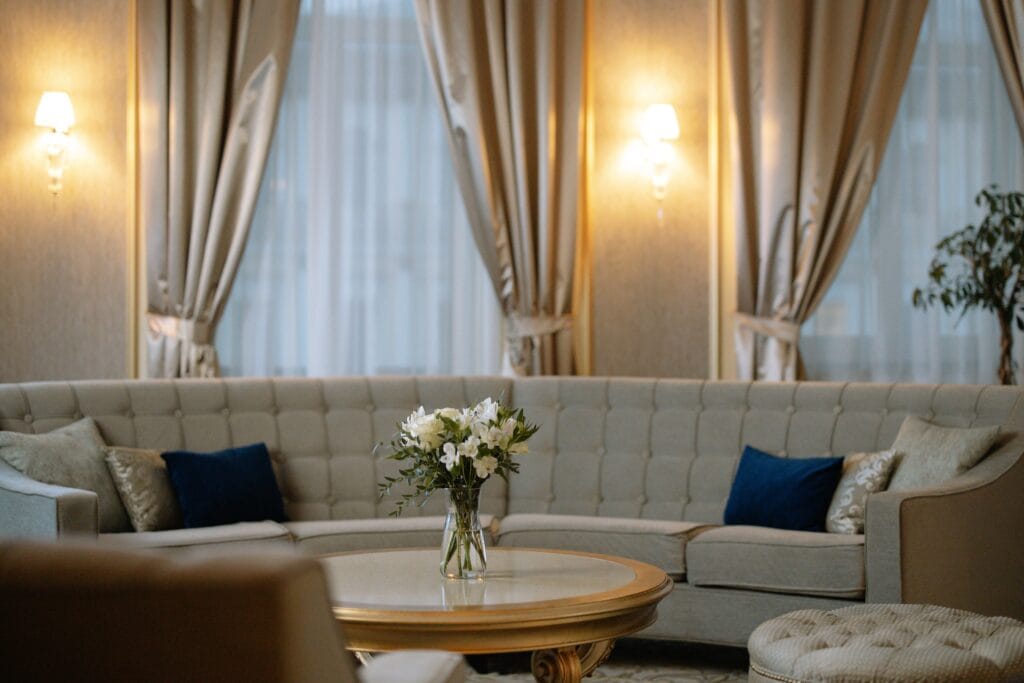
Wall lighting can make a living room wall feel cozy after sunset while adding another layer to the overall lighting scheme. Wall sconces, picture lights, or subtle accent fixtures can highlight artwork, shelves, or architectural details. Warm light can soften the appearance of the wall and make nearby furniture feel more inviting. Place the lights where they serve a clear purpose instead of adding fixtures simply to fill an empty section.
Add Texture With Wall Treatments
If you want the wall itself to become part of the décor, consider texture rather than relying entirely on accessories. Textured wallpaper, subtle paneling, lime based finishes, wood slats, or other architectural details can give the wall depth without requiring many decorative objects. Choose a treatment that complements the existing furniture and color palette so the feature feels like part of the room rather than a separate design element.
Include Personal Details
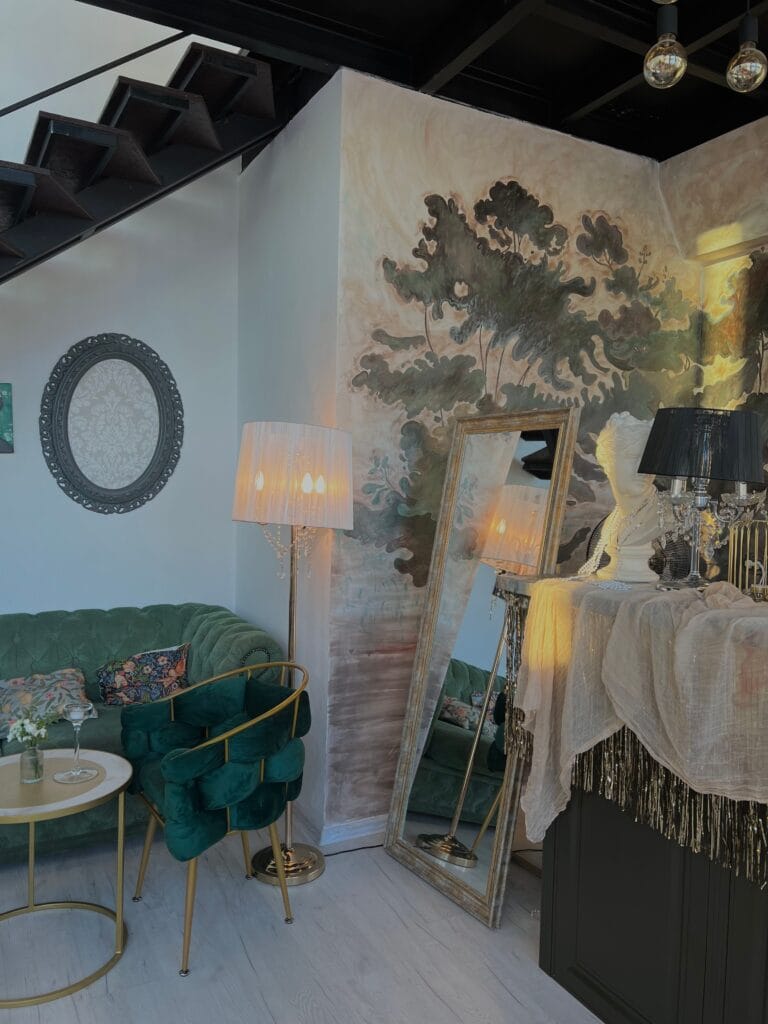
The coziest living room walls usually contain something personal. Display photographs, artwork from places you have visited, favorite books, handmade pieces, or objects connected to hobbies and memories. These details make the room feel lived in rather than staged. Choose a small collection rather than displaying everything you own, and arrange the pieces so there is enough open space between them.
Time Saver
Lay your artwork and decorative pieces on the floor before hanging them. This lets you test the arrangement and spacing before making holes in the wall.
Choose a Warm Wall Color
Sometimes the simplest way to decorate a living room wall is to change its color. Warm white, cream, beige, taupe, muted green, warm gray, and earthy tones can create a comfortable backdrop for furniture and artwork. A darker accent wall can also create a cozy atmosphere when balanced with lighter furniture and warm lighting. Consider how the wall color looks throughout the day because natural and artificial light can change its appearance considerably.
Frequently Asked Questions
How do I make a living room wall feel cozy?
Use warm colors, layered lighting, natural textures, artwork, mirrors, shelves, and personal objects to create visual warmth without overcrowding the wall.
What should I put on a living room wall?
Artwork, photographs, mirrors, floating shelves, wall sconces, plants, wood features, and decorative objects can all work well. Choose pieces that complement the furniture and size of the room.
How do I decorate a large blank living room wall?
Start with one substantial feature such as an oversized artwork piece, large mirror, gallery wall, or shelving unit. Then add smaller details only where needed to balance the composition.
How many pictures should go on a living room wall?
There is no fixed number. A small collection can work well when the pieces are connected through color, framing, or theme. Leave enough space between them so the arrangement does not feel crowded.
What colors make a living room feel cozy?
Warm white, cream, beige, taupe, warm gray, muted green, brown, and earthy shades can all create a comfortable atmosphere. The best choice depends on the furniture and natural light in the room.
Bottom Line
Knowing how to decorate a living room wall is mainly about creating a focal point while adding warmth through color, texture, lighting, and personal details. A gallery wall, large artwork, floating shelves, natural wood, mirror, wall lighting, textured treatment, or personal display can each give a blank wall more character.
Choose one or two main ideas rather than trying to use everything at once. When the wall supports the furniture and repeats colors or materials already present in the room, the entire living room feels more connected, comfortable, and inviting.