

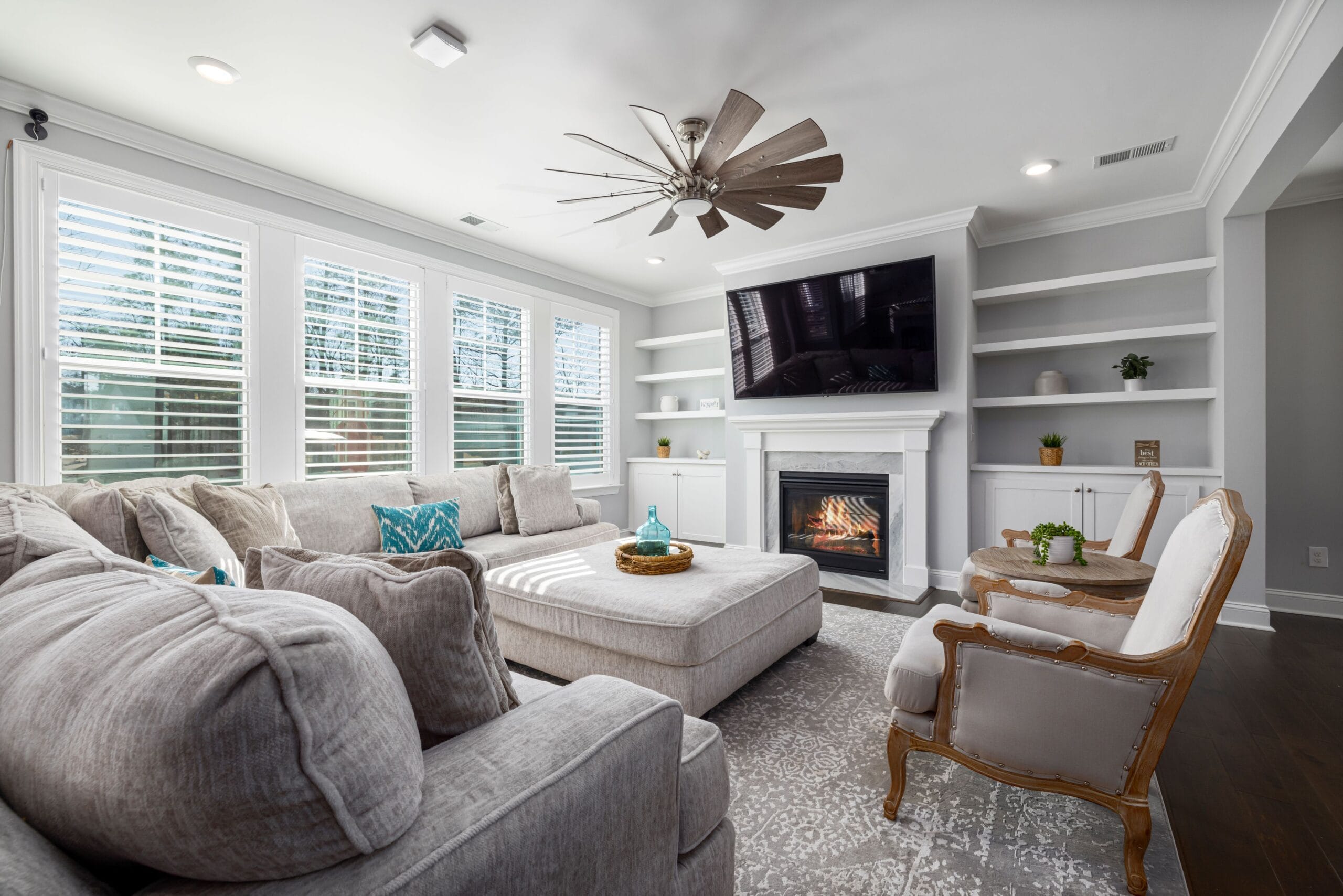
Choosing living room furniture that works well together starts with getting the proportions, layout, colors, and materials right rather than buying pieces that come from the same collection. When learning how to choose living room furniture, begin with the size of the room and your main seating needs, then build around the sofa with complementary tables, chairs, storage, and accessories. The result should feel coordinated without making every piece look identical.
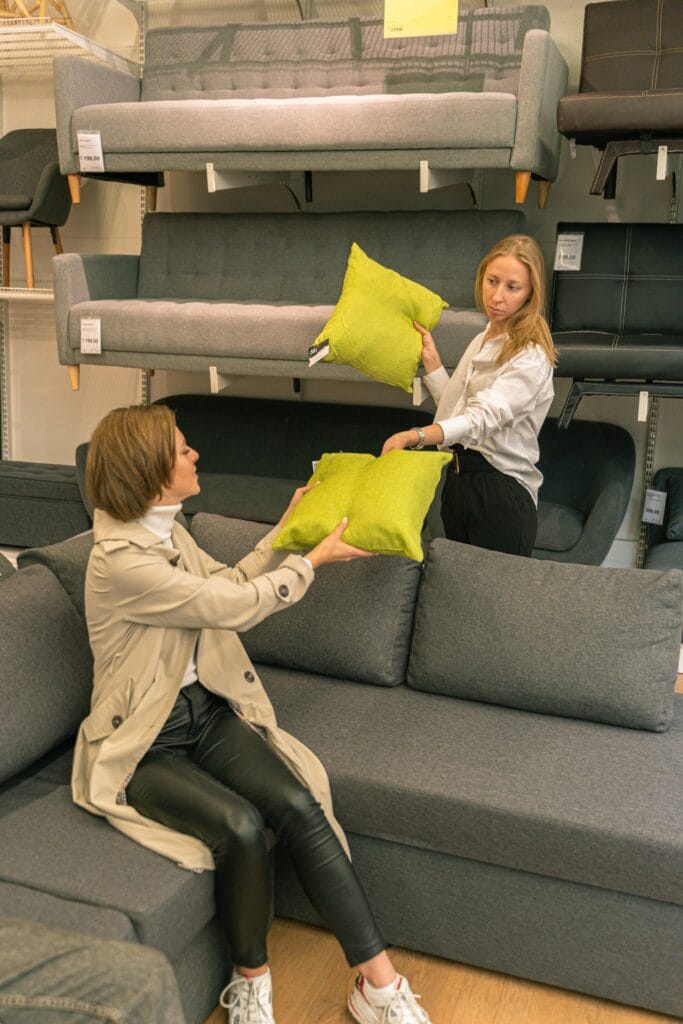
A living room usually contains several different furniture types, so the goal is to create visual relationships between them. Similar finishes, repeated colors, balanced proportions, and a consistent style can make different pieces feel like they belong together. You can mix furniture from different collections as long as the overall arrangement remains comfortable and intentional.
Start With the Sofa
The sofa is usually the largest piece of furniture, so it should establish the direction for the rest of the room. Consider its size, shape, fabric, and color before choosing chairs, tables, or storage pieces. A substantial sofa can handle larger accent chairs and a heavier coffee table, while a compact sofa may need furniture with a lighter visual profile. Starting with the sofa makes how to choose living room furniture much easier because it gives the rest of the room a clear foundation.
Choose Furniture With Similar Proportions
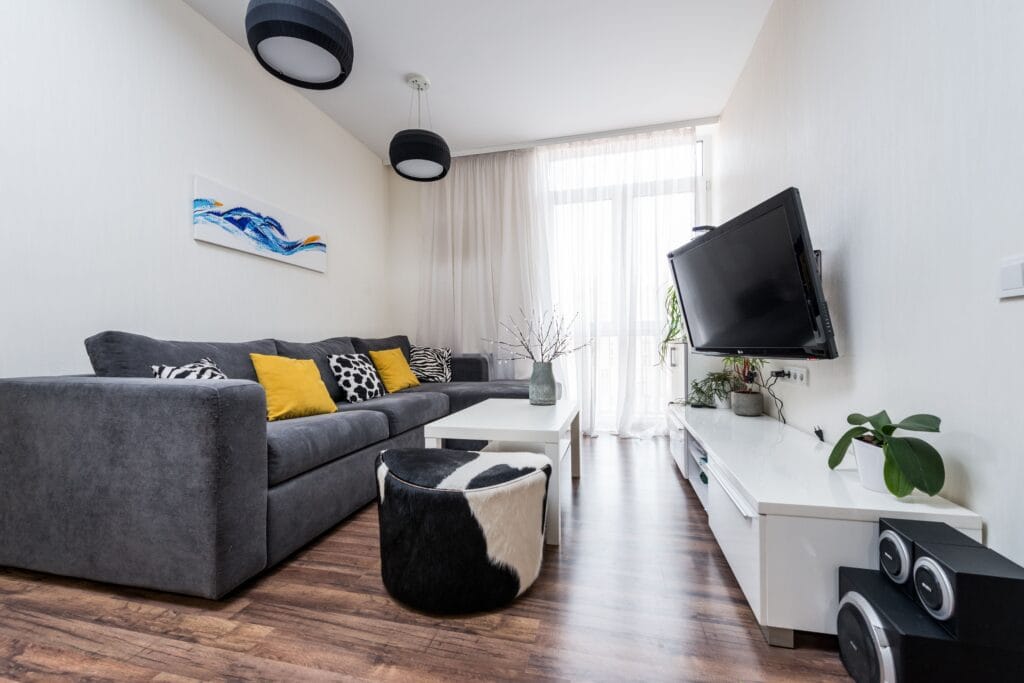
Furniture does not need to match, but its proportions should feel balanced. A large sectional paired with a tiny coffee table can look awkward, while oversized side tables can make a compact sofa feel crowded. Compare the heights, widths, and visual weight of each piece before bringing it into the room. Keeping proportions compatible is one of the easiest ways to make different furniture styles feel connected.
Pro Tip
Measure the height and width of your main sofa before shopping for other furniture. Use those measurements as a reference so new pieces do not look noticeably too large or too small.
Create a Consistent Color Palette
A shared color palette helps different furniture pieces work together even when their designs are different. Choose one main color for larger pieces, then introduce two or three complementary shades through chairs, rugs, curtains, cushions, and accessories. Neutral furniture can be paired with stronger accent colors, while colorful sofas usually work best with quieter surrounding pieces. Repeating one color in several areas helps create a sense of continuity.
Mix Materials Carefully
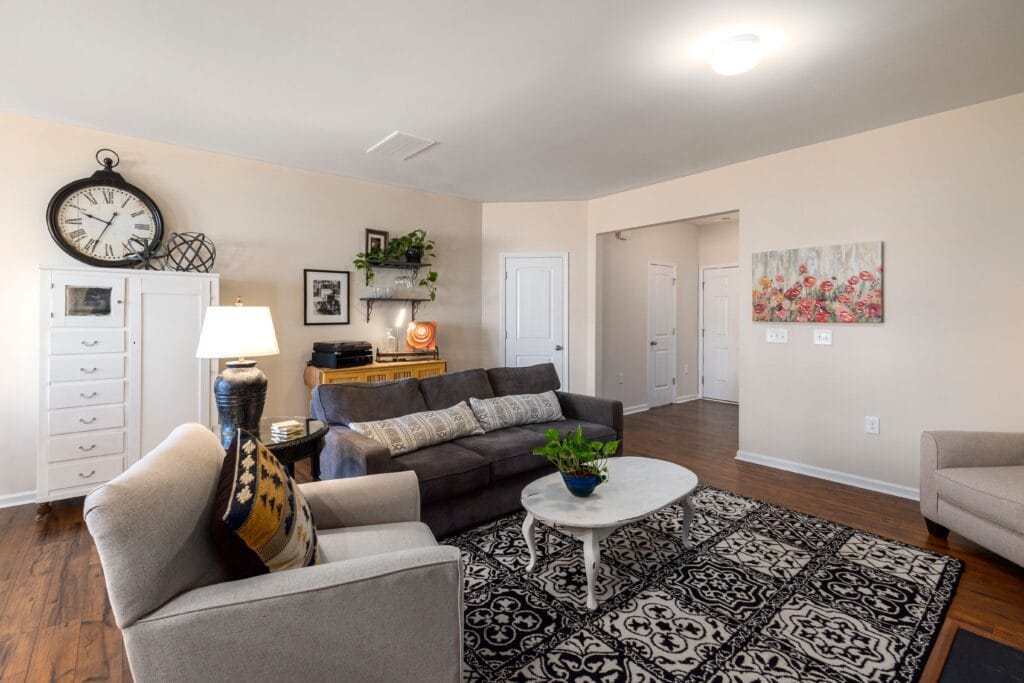
Using different materials can give a living room more depth without making it feel mismatched. Wood, metal, glass, stone, leather, linen, and woven materials can all work together when they share a similar overall style. For example, a wooden coffee table can complement an upholstered sofa and metal framed chairs when the colors and proportions remain balanced. The key is to repeat at least one or two materials so the room has a visual connection between different furniture pieces.
Match the Style Without Matching Every Piece
You do not need to buy an entire furniture set to create a cohesive living room. A modern sofa can work with a vintage side table, while a traditional chair can pair with a simple contemporary coffee table if the colors and proportions make sense. Choose a dominant style for the room, then introduce one or two contrasting pieces for character. This creates a more collected appearance than using identical furniture throughout the space.
Quick Fix
If your furniture looks disconnected, repeat one finish across several pieces. Similar wood, metal, or upholstery details can quickly make unrelated furniture feel more cohesive.
Consider the Layout Before Buying

Furniture needs to work together physically as well as visually. Make sure the sofa, chairs, coffee table, and storage pieces leave enough room for comfortable movement and create a natural conversation area. A beautiful furniture combination will still feel wrong if the pieces block doorways or make the main walking paths too narrow. Measure your room and outline furniture dimensions on the floor before making larger purchases.
Repeat Shapes and Details
Repeating subtle shapes can create visual harmony between furniture pieces. Rounded sofas can work well with round coffee tables, while furniture with clean straight lines can pair naturally with rectangular tables and structured shelving. You can also repeat details such as curved legs, visible wood grain, brass hardware, or black metal frames. These connections do not need to be obvious, but they help the room feel more intentional.
Time Saver
Take photographs of your existing furniture before shopping. Comparing colors, finishes, and shapes on your phone can make it easier to judge whether a new piece will actually work with what you already own.
Balance Open and Closed Storage
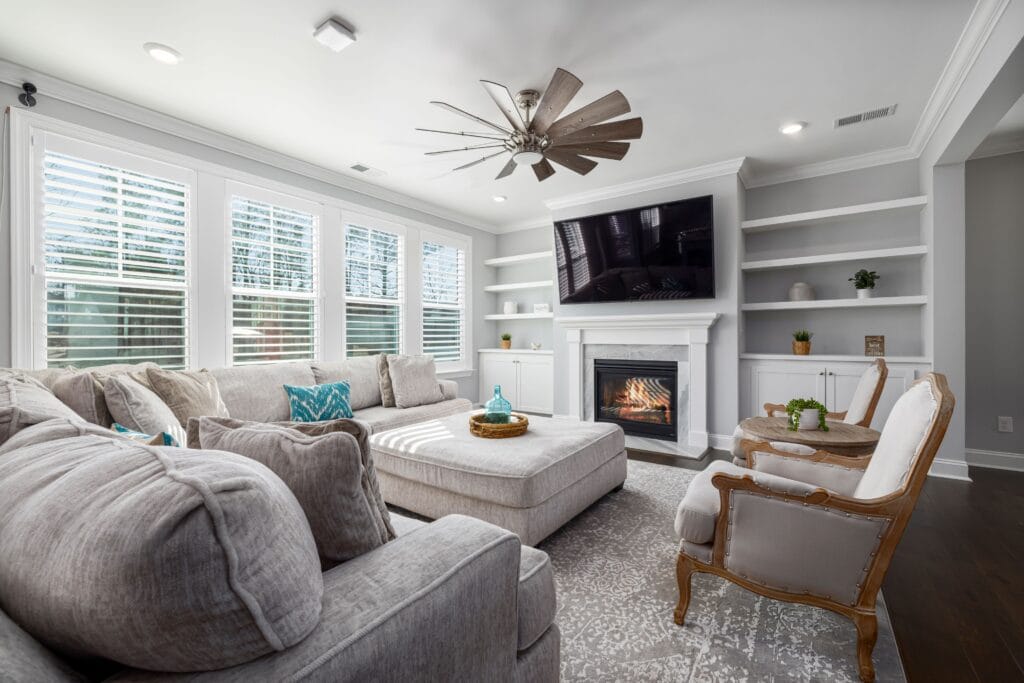
Storage furniture should support the overall layout without making the room feel overloaded. Use closed cabinets to hide everyday clutter and open shelving for a smaller selection of books and decorative objects. Mixing both types creates a practical living room while keeping the visual weight of the furniture balanced. Choose storage pieces that complement the sofa and tables rather than introducing another unrelated style.
Choose the Right Coffee Table
The coffee table should connect the seating area without overwhelming it. Consider its length, height, shape, and material in relation to the sofa and chairs. A round table can soften a room with many straight lines, while a rectangular table can reinforce a more structured layout. The table should also leave enough space around it for people to move comfortably and use the seating area naturally.
Frequently Asked Questions
How do I choose living room furniture that matches?
Start with one dominant style and color palette, then choose pieces with compatible proportions and at least one repeated material or finish. The furniture does not need to match exactly.
Should my sofa and chairs match?
No. Matching chairs can create symmetry, but different chairs can add more personality when they share similar colors, proportions, or materials.
How many furniture colors should a living room have?
Using two or three main colors is usually easier to coordinate, especially when the room contains several large furniture pieces. Accent colors can then be added through smaller accessories.
Can I mix wood furniture?
Yes. Different wood finishes can work together when they have compatible undertones or are separated by rugs and textiles. Repeating one wood tone in several areas helps the mix feel intentional.
How do I know if furniture is too large for my living room?
If walking paths feel narrow, doors cannot open comfortably, or the seating area feels crowded, the furniture may be oversized. Measure the room and check the dimensions before purchasing.
Bottom Line
Knowing how to choose living room furniture is less about finding matching sets and more about creating relationships between size, color, material, style, and layout. Start with the sofa, build around its proportions, repeat a few finishes and colors, and make sure every piece supports comfortable movement.
A living room feels cohesive when the furniture looks like it belongs together without appearing identical. Choose pieces that complement one another, leave enough breathing room around them, and let a few contrasting details add personality.