

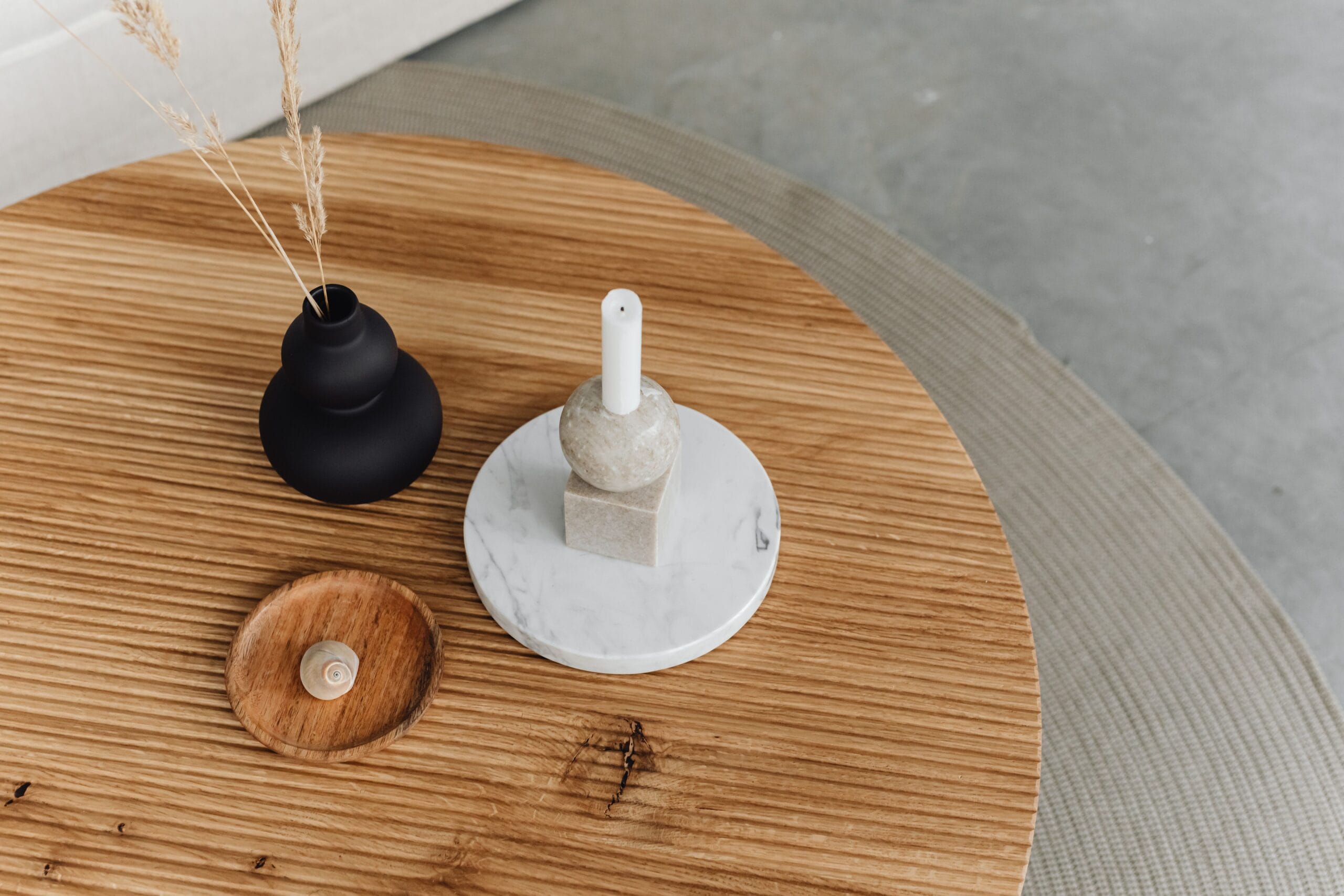
How to choose a coffee table is a question many homeowners ask when finishing their living room. The coffee table may seem like a small detail, but it plays an important role in both the appearance and function of the space. The right table provides a practical surface for everyday use while helping connect the seating area into one balanced arrangement. Choosing the wrong size or style can make even a well decorated living room feel awkward.
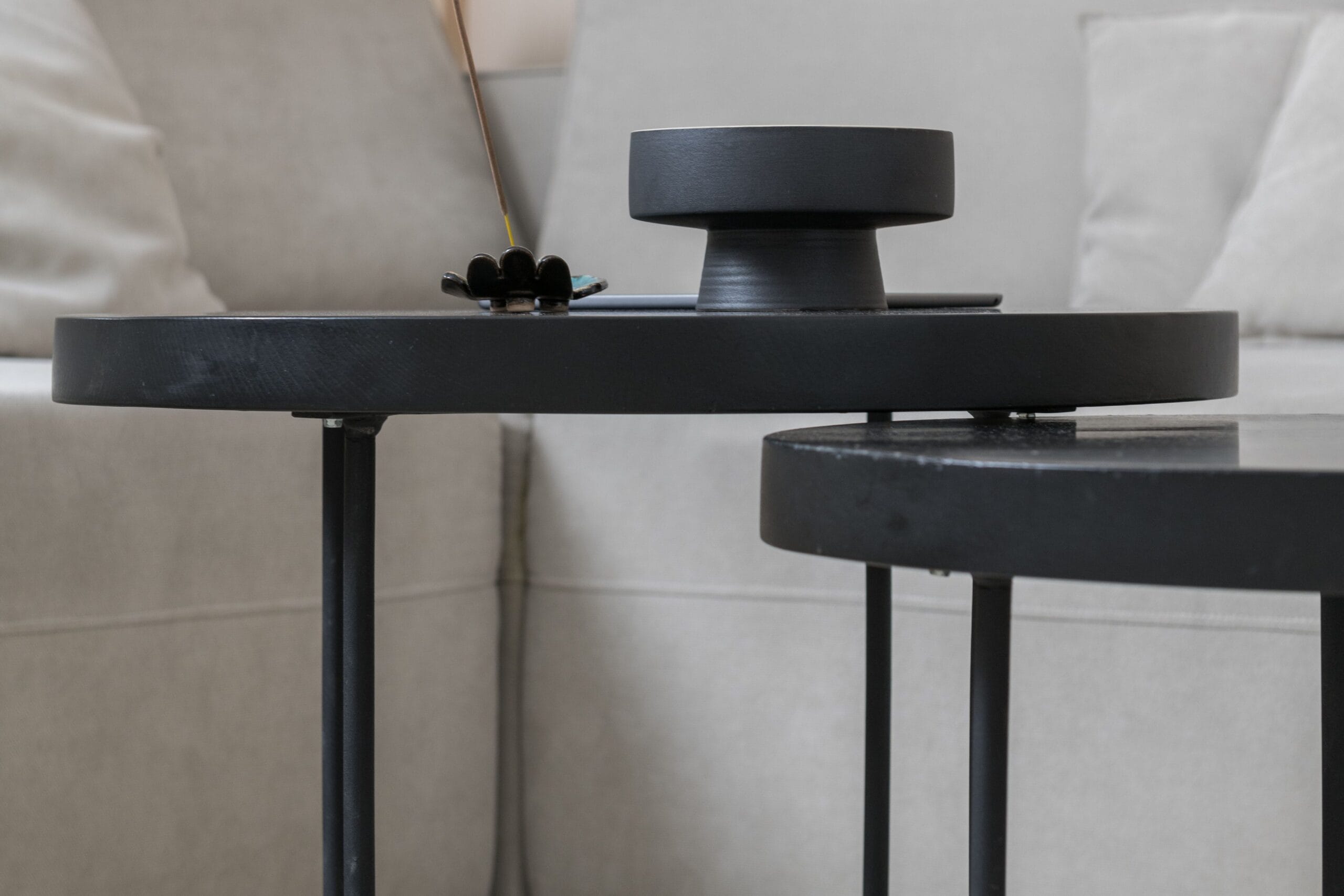
A coffee table should complement the room instead of competing with it. Its size, shape, material, and placement should all work with your sofa, chairs, and overall layout. By focusing on a few key design principles, you can find a coffee table that looks appropriate, improves daily comfort, and remains practical for years to come.
Start With the Right Size
The first step in how to choose a coffee table is selecting the correct size. A table that is too large makes the room feel crowded, while one that is too small can look out of proportion with the surrounding furniture. As a general guide, the coffee table should be about two thirds the length of your sofa and leave enough space for comfortable movement around the seating area. Measuring your living room before shopping helps avoid costly mistakes and ensures the table fits naturally into the layout.
Choose the Best Shape
The shape of the coffee table should reflect both the room layout and how the space is used. Rectangular tables work well with standard sofas and larger seating arrangements, while round or oval tables improve movement in smaller living rooms or homes with children. Square tables often complement sectional sofas by filling the center of the seating area more evenly. Choosing the right shape helps the room feel balanced while making the table easier to use every day.
Match the Material to Your Style
The material of the coffee table has a major influence on the overall appearance of the room. Natural wood creates warmth, glass makes compact spaces feel more open, and stone introduces texture and character. Metal frames work well in modern interiors, while mixed materials suit transitional spaces. Selecting finishes that complement your existing furniture helps the coffee table blend naturally into the room instead of becoming a separate design feature.
Pro Tip
Bring measurements of your sofa and seating area when shopping. Comparing dimensions in the store makes it much easier to choose the right coffee table.

A coffee table should support the way you use your living room. If you regularly entertain guests, a larger surface may be helpful for drinks and snacks. Families may prefer rounded corners or durable finishes that stand up to everyday use. Some homeowners benefit from lift top tables or built in storage for keeping remote controls, books, and blankets organized. Practical features often become just as valuable as appearance over time.
Leave Enough Walking Space
A coffee table should never make movement around the room difficult. Leave comfortable space between the sofa and table while maintaining clear pathways around the seating area. This keeps the room feeling open and allows everyone to move naturally without squeezing between furniture. A well positioned coffee table improves both comfort and functionality.
Storage Tip
Choose a coffee table with shelves or hidden storage if your living room needs extra space for everyday essentials without adding more furniture.
Balance the Coffee Table With Other Furniture
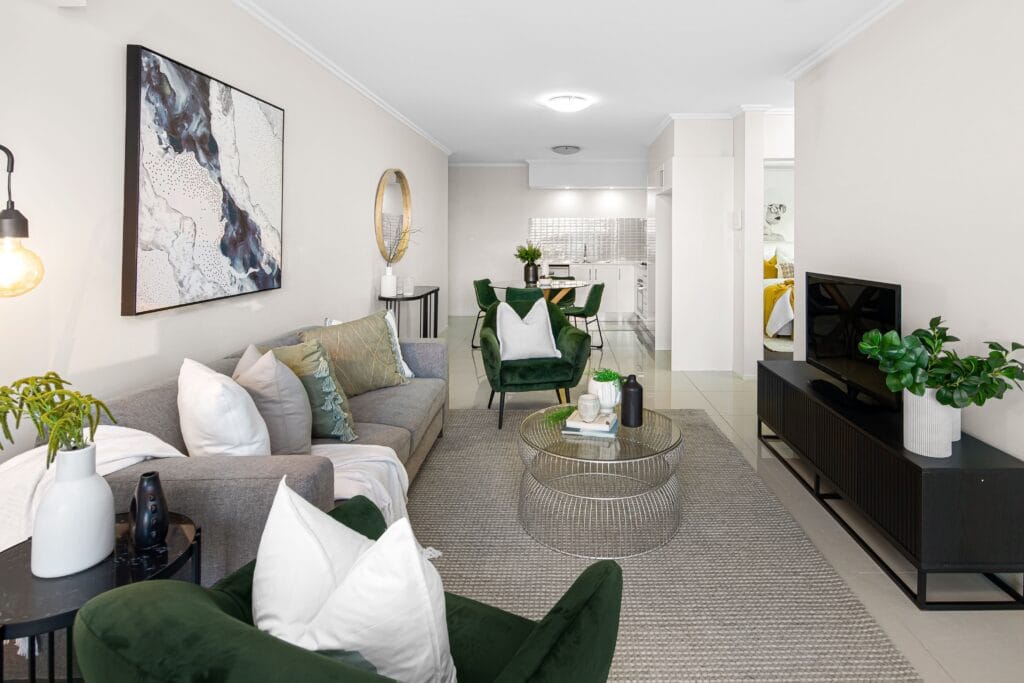
A coffee table should feel proportional to the rest of the room instead of becoming the dominant feature. When how to choose a coffee table is based on balance rather than appearance alone, the living room feels much more cohesive. Pair the table with side tables, accent chairs, and a properly sized rug so every piece works together. Keeping similar proportions throughout the seating area helps the room look organized while allowing each furniture piece to stand out naturally.
Consider the Table Height
The height of a coffee table affects both comfort and functionality. A table that sits much higher or lower than the sofa cushions can feel awkward to use every day. In most living rooms, a coffee table that is close to the seat height of the sofa creates the most comfortable arrangement. Paying attention to height is one of the simplest ways to improve how the room functions without changing the overall design.
Quick Fix
If your current coffee table feels too small, place it on a larger area rug and add a decorative tray. This simple update helps it feel more substantial without replacing the furniture.
Keep Styling Simple
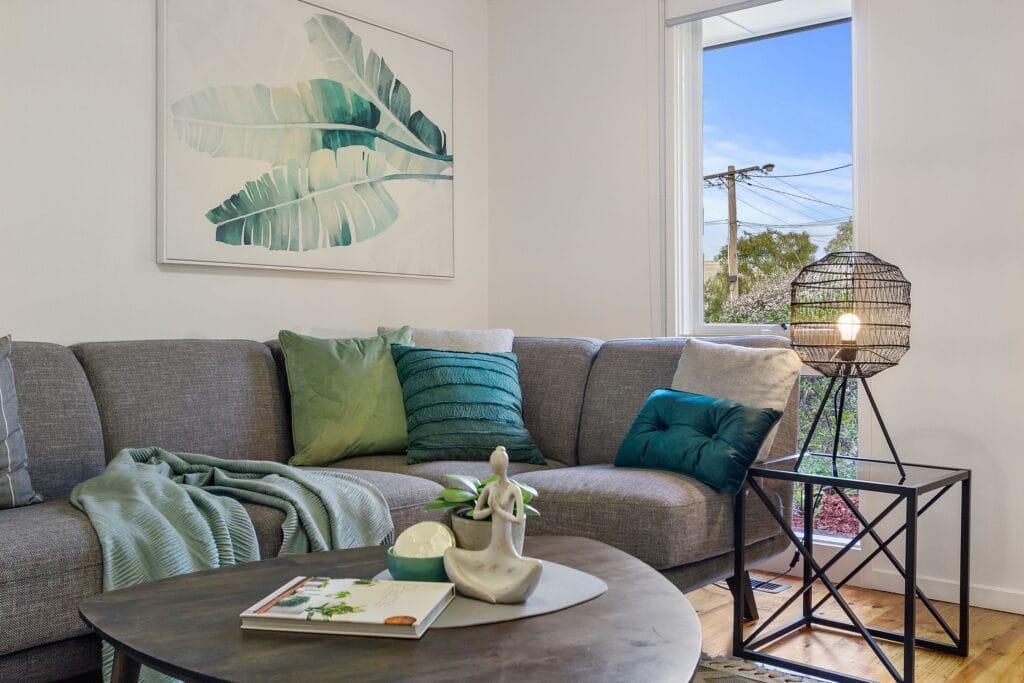
Once you know how to choose a coffee table, styling it becomes much easier. Instead of covering every inch with decorative objects, display only a few carefully selected items such as books, candles, a small plant, or a ceramic bowl. Leaving open space keeps the table practical for everyday use while creating a cleaner and more timeless appearance. A simple arrangement often looks more refined than an overcrowded display.
Think About Long Term Use
A coffee table is used every day, so it should remain practical as your needs change over time. Durable materials, quality construction, and timeless finishes usually outlast short lived design trends. Choosing a style that complements your existing furniture also makes it easier to update the rest of the living room without replacing the table. Thinking beyond current trends helps ensure your investment continues to work for many years.
Budget Option
Solid wood veneer, engineered wood, and durable mixed material tables often provide a similar appearance to premium options while costing much less.
Frequently Asked Questions
How do I choose the right coffee table size?
When learning how to choose a coffee table, start by measuring your sofa and seating area. A coffee table is generally most balanced when it is about two thirds the length of the sofa and leaves enough room for comfortable movement.
Should a coffee table match the TV stand?
No. The furniture should coordinate rather than match exactly. Similar colors, materials, or finishes usually create a more natural and timeless appearance.
What shape coffee table is best?
Rectangular tables suit most standard sofas, while round and oval tables work well in smaller spaces or homes where easier movement is important. Square tables often pair well with sectional seating.
Is a storage coffee table worth it?
Yes. Storage coffee tables provide space for blankets, books, remote controls, and other everyday items, helping keep the living room organized without adding extra furniture.
Bottom Line
Understanding how to choose a coffee table is about balancing size, shape, material, and functionality with the rest of your living room. The right table should complement your seating arrangement, support everyday activities, and fit naturally within the overall layout.
By measuring your space, selecting the correct proportions, and choosing a design that matches your lifestyle, you can find a coffee table that remains both practical and timeless. A thoughtfully chosen coffee table brings the seating area together and helps create a living room that feels comfortable, organized, and inviting every day.