
Arranging living room furniture does not have to feel complicated. A well planned layout can make a room feel larger, improve traffic flow, and create comfortable spaces for relaxing or entertaining. Instead of placing furniture wherever it fits, the goal is to create a balanced arrangement where every piece has a purpose and the room feels connected from one area to another.
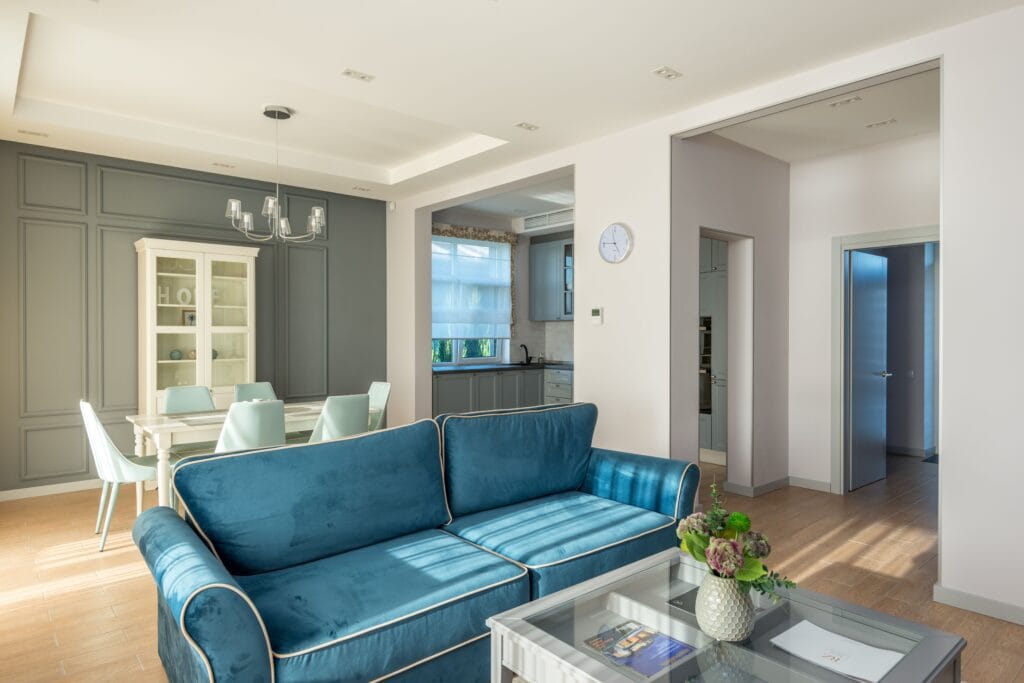
The best furniture layouts begin with understanding how you actually use your living room. Some homes are designed for family movie nights, while others are used mainly for conversation, reading, or entertaining guests. Building the layout around your daily routine helps create a living room that looks organized while remaining practical enough for everyday life.
Start With a Focal Point
The first step in arranging living room furniture is identifying the room’s natural focal point. This may be a fireplace, large window, television, built in shelving, or a statement piece of artwork. Once the focal point has been chosen, arrange the largest furniture pieces so they naturally face or complement it. Creating a clear visual center helps the room feel more organized while preventing furniture from looking randomly placed.
Place the Largest Furniture First
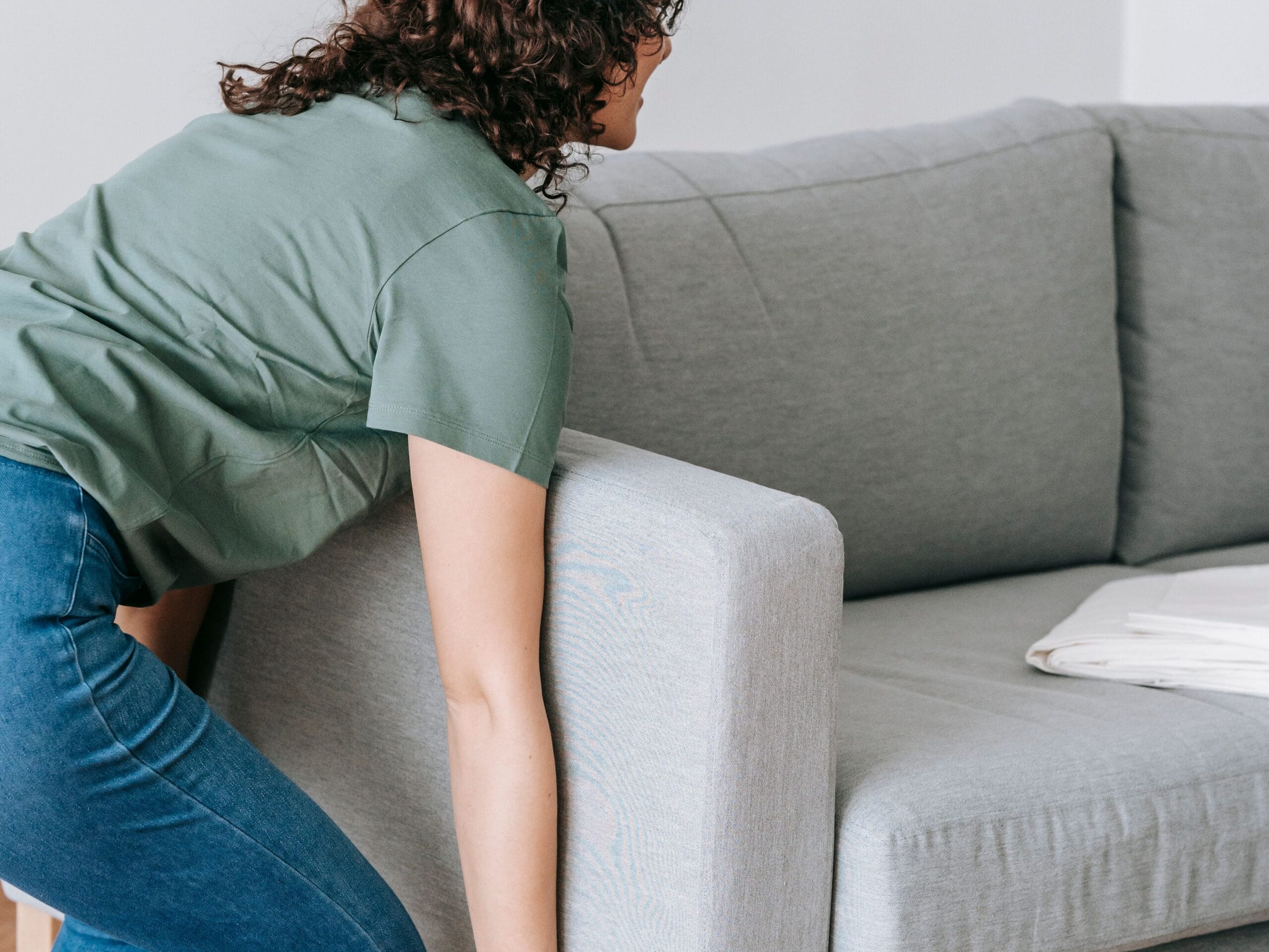
The sofa is usually the biggest piece in the room, making it the best place to begin the layout. Position the sofa before adding coffee tables, accent chairs, or side tables so the overall arrangement develops naturally. In larger rooms, the sofa can help divide the space into separate zones, while in smaller rooms it should maximize seating without blocking movement. Many successful approaches to arranging living room furniture begin with finding the ideal location for the sofa.
Create Comfortable Conversation Areas
Arrange seating so people can comfortably talk without raising their voices across the room. Accent chairs should face the sofa or sit at a gentle angle to encourage conversation while maintaining an open layout. Keeping seating grouped together creates a welcoming atmosphere that works equally well for family gatherings and entertaining guests. The goal is to create connections between furniture instead of leaving pieces isolated around the room.
Pro Tip
Before moving heavy furniture, outline its position using painter’s tape on the floor. This simple step helps you visualize the layout before lifting anything.
Use the Right Size Area Rug
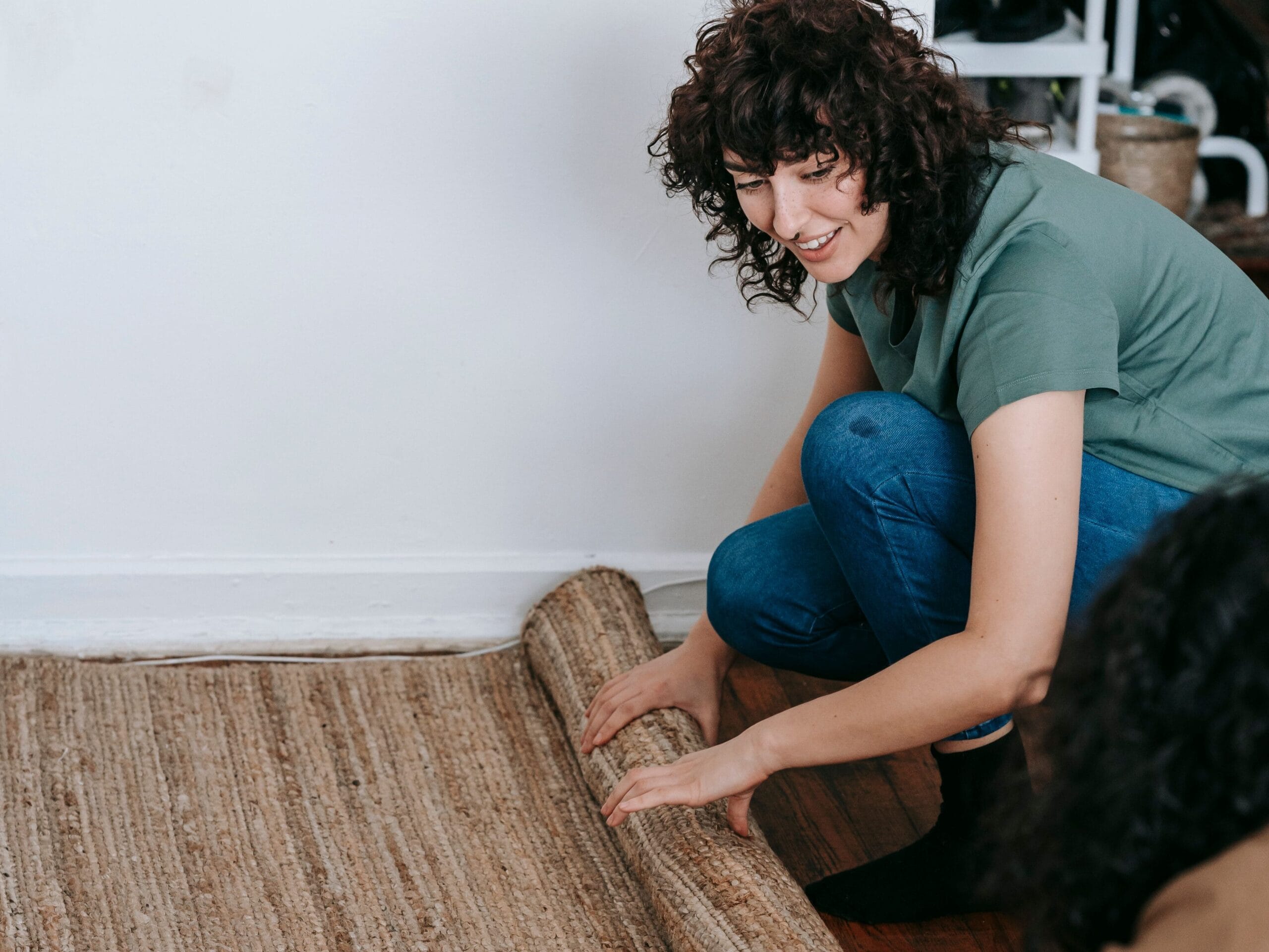
A properly sized rug helps connect every furniture piece while defining the seating area. Position the front legs of sofas and chairs on the rug whenever possible to create a more cohesive arrangement. Small rugs often make rooms feel disconnected, while larger rugs visually anchor the furniture and help the living room appear more spacious. Choosing the right rug is one of the easiest ways to improve the overall layout.
Leave Clear Walking Paths
Comfortable walkways are just as important as comfortable seating. Leave enough space between furniture so people can move naturally throughout the room without squeezing between tables or chairs. Clear circulation helps the living room feel open while making the layout more practical for everyday life. Well planned arranging living room furniture always balances seating with easy movement.
Quick Fix
Pull furniture a few inches away from the walls instead of pushing everything against them. This often creates a more balanced and inviting layout.
Balance the Room Visually
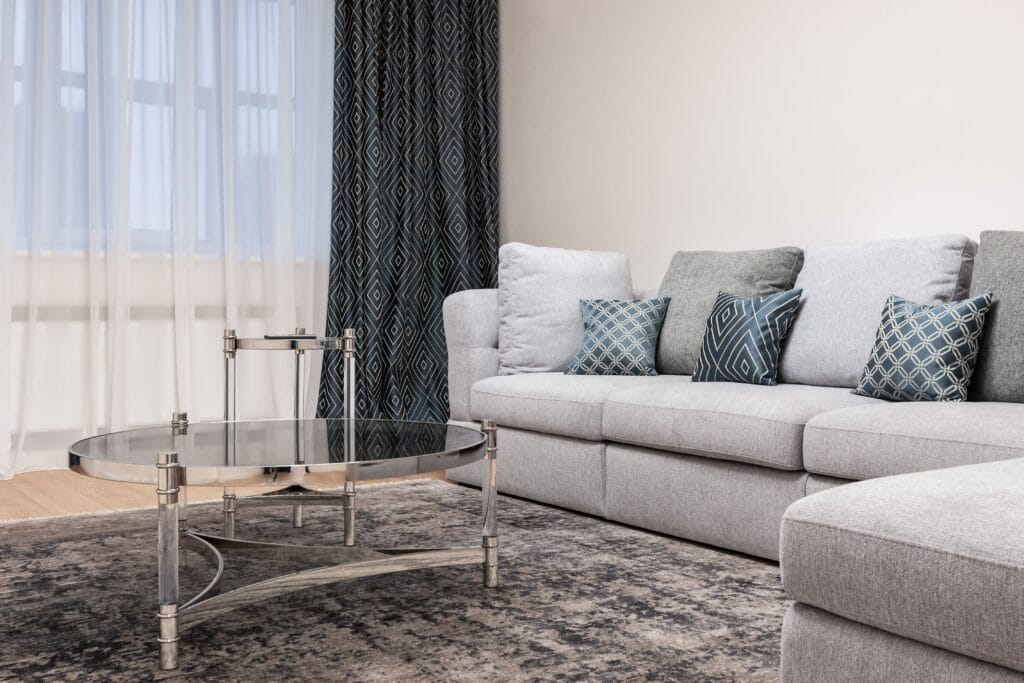
When arranging living room furniture, balance is just as important as comfort. Avoid placing every large furniture piece on one side of the room, as this can make the layout feel uneven. Instead, spread visual weight throughout the space by pairing a large sofa with accent chairs, a console table, or shelving on the opposite side. Mixing furniture of different heights and sizes also creates a more natural arrangement while helping the room feel complete without becoming overcrowded.
Choose Furniture That Fits the Space
Oversized furniture can quickly overwhelm a small living room, while pieces that are too small may leave a large room feeling empty. Measure the space before buying new furniture and choose pieces that leave enough room for comfortable movement. A sofa, coffee table, and accent chairs should work together without blocking walkways or making the seating area feel cramped. Successful arranging living room furniture starts with selecting furniture that matches the size of the room rather than forcing oversized pieces into the layout.
Storage Tip
Choose coffee tables, ottomans, or console tables with built in storage to reduce clutter while keeping everyday essentials close at hand.
Add Lighting Around the Seating Area
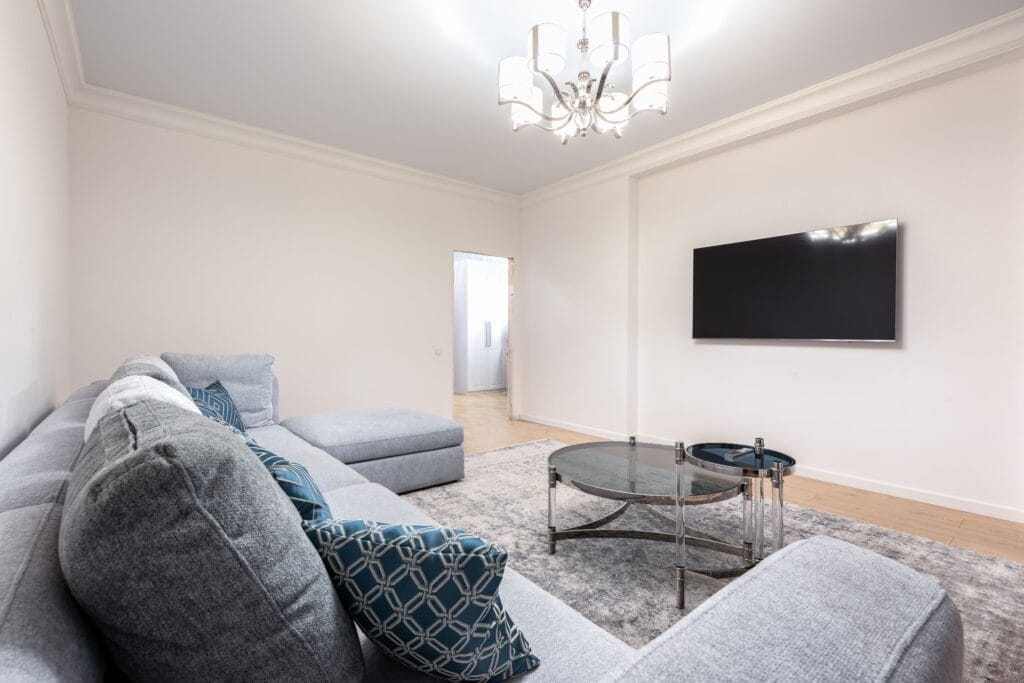
Lighting helps define the furniture arrangement while making the room feel warm and welcoming. Combine table lamps, floor lamps, and wall lighting instead of relying only on one ceiling fixture. Layered lighting creates a comfortable atmosphere for reading, relaxing, and entertaining while highlighting the main seating area. Position lamps where they are both practical and visually balanced with the surrounding furniture.
Keep Decorations Balanced
Accessories should complement the furniture instead of competing with it. Use artwork, plants, cushions, and decorative objects to add personality while leaving enough open space for the room to breathe. Avoid filling every table or shelf, as too many decorative items can make even a well planned layout feel crowded. A few carefully chosen pieces often have a greater impact than a large collection of accessories.
Time Saver
Live with a new furniture arrangement for a few days before making changes. Small adjustments often become obvious after using the room during your normal daily routine.
Frequently Asked Questions
What is the best way of arranging living room furniture?
The best approach to arranging living room furniture is to start with a focal point, position the sofa first, create comfortable conversation areas, and maintain clear walkways throughout the room.
Should all living room furniture face the television?
No. If possible, arrange seating to encourage conversation while allowing a comfortable view of the television. The layout should support how you use the room every day.
How much space should be left between furniture?
Most living rooms feel comfortable with enough space to walk easily between furniture while keeping seating close enough for conversation. The exact distance depends on the room size and furniture dimensions.
How do you make a small living room feel bigger?
Choose appropriately sized furniture, leave open walkways, use a large area rug, and avoid overcrowding the room with unnecessary pieces or decorations.
Bottom Line
Arranging living room furniture is about creating a layout that feels comfortable, balanced, and practical for everyday life. By starting with a focal point, choosing furniture that fits the room, maintaining clear walkways, and balancing the overall layout, you can create a space that works just as well for relaxing as it does for entertaining.
The most successful living rooms are designed around how people actually live. When every furniture piece has a purpose and the layout supports your daily routine, the room becomes easier to enjoy, maintain, and use throughout the year.