

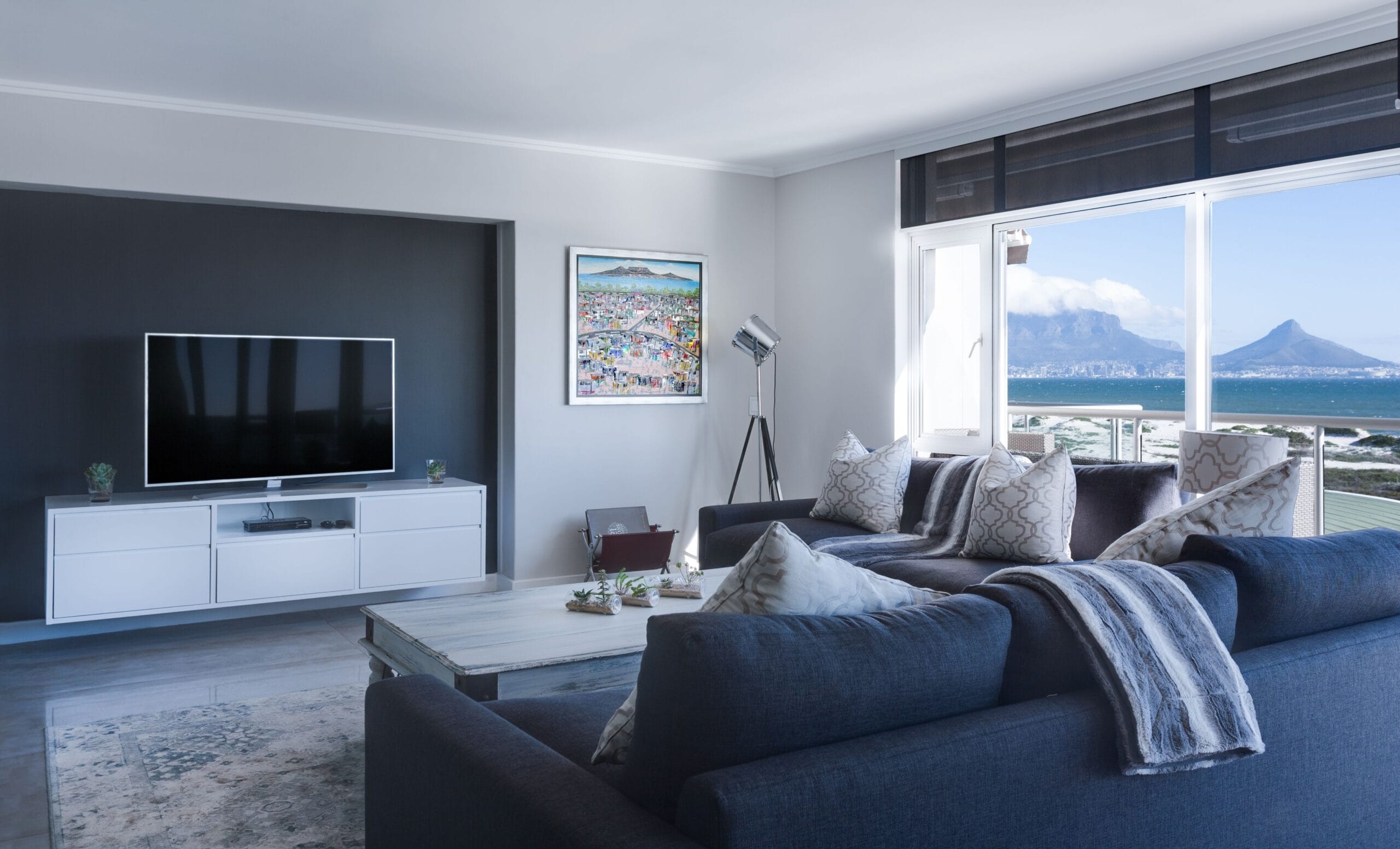
The right coastal furniture can make your home feel relaxed, bright, and welcoming without relying on obvious beach themed decorations. Instead of filling rooms with seashells and nautical accents, this style focuses on natural materials, comfortable seating, light wood finishes, and soft colors inspired by the coast. The result is an interior that feels calm and lived in while remaining timeless enough to work in many different homes.
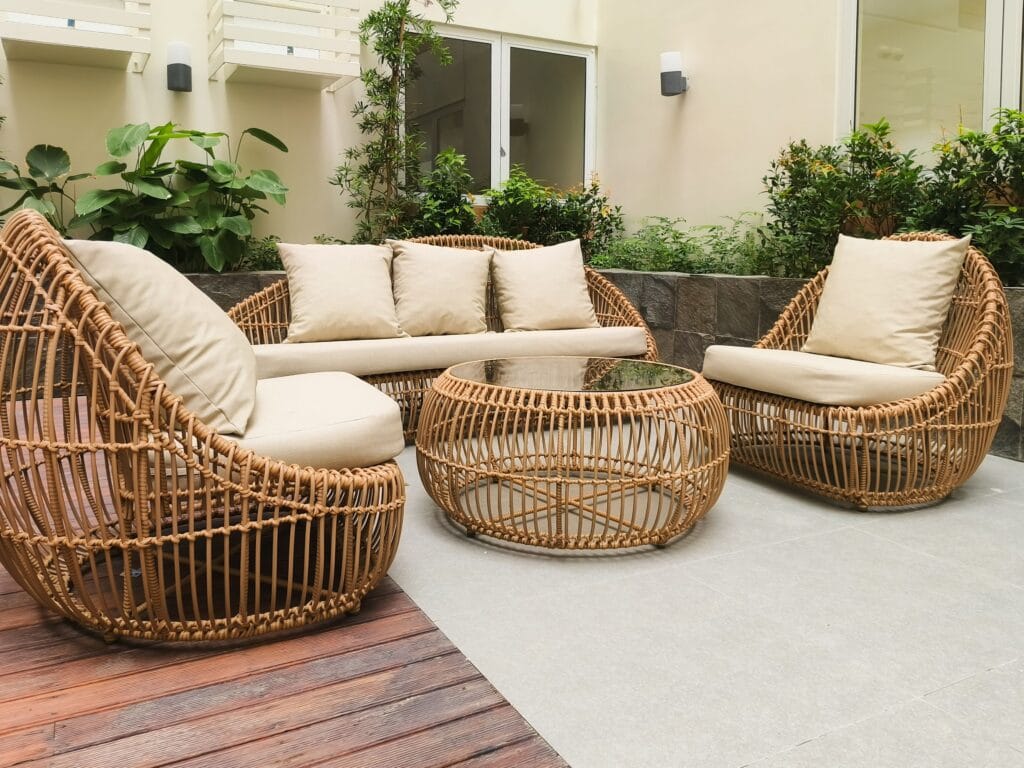
Creating a coastal inspired space is about choosing furniture that feels comfortable as well as practical. Pieces should encourage everyday living while allowing natural light, texture, and open space to become part of the overall design. Whether you live near the ocean or far inland, the right furniture can bring the same easygoing atmosphere into your home.
Choose Light Wood Furniture
The foundation of coastal furniture often begins with light or medium toned wood that reflects natural light and creates an open atmosphere. Oak, ash, maple, pine, and whitewashed finishes all work well because they add warmth without making a room feel heavy. Dining tables, coffee tables, media consoles, and sideboards in natural wood create a timeless look that pairs easily with soft fabrics and neutral colors. Visible wood grain also adds texture, helping the room feel relaxed rather than overly polished.
Prioritize Comfortable Upholstered Seating
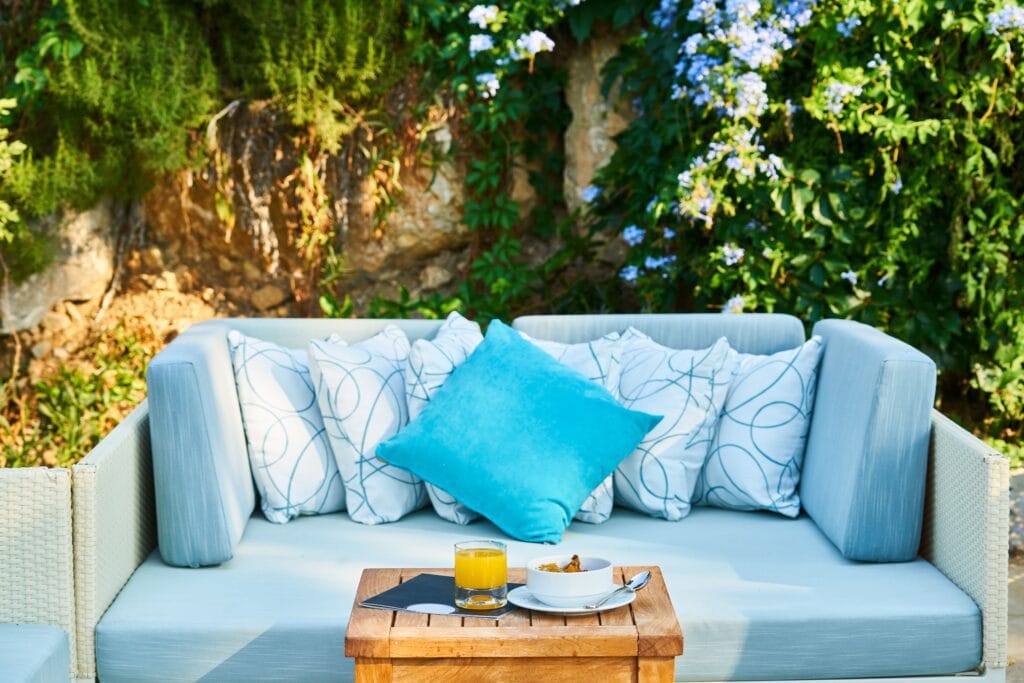
Comfort is one of the defining features of coastal interiors. Sofas and armchairs should feel inviting enough for long conversations, afternoon naps, or quiet evenings with family. Upholstery in linen, cotton, or durable performance fabrics works particularly well because these materials create a casual appearance while remaining practical for everyday use. Neutral shades such as white, cream, beige, sand, and soft gray help brighten the room while making it easy to introduce seasonal accents through cushions and throws.
Mix Natural Woven Materials
Natural woven textures are an essential part of coastal furniture because they introduce warmth and subtle contrast without overwhelming the space. Rattan chairs, wicker baskets, cane cabinet doors, woven benches, and seagrass stools all add character while maintaining the relaxed atmosphere associated with coastal interiors. Mixing these materials with wood and soft upholstery creates depth that prevents the room from feeling flat while keeping the overall palette calm and balanced.
Pro Tip
Repeat natural materials such as wood, rattan, and woven baskets throughout the room. Using the same textures in several places creates a more cohesive coastal look.
Keep Furniture Simple and Functional
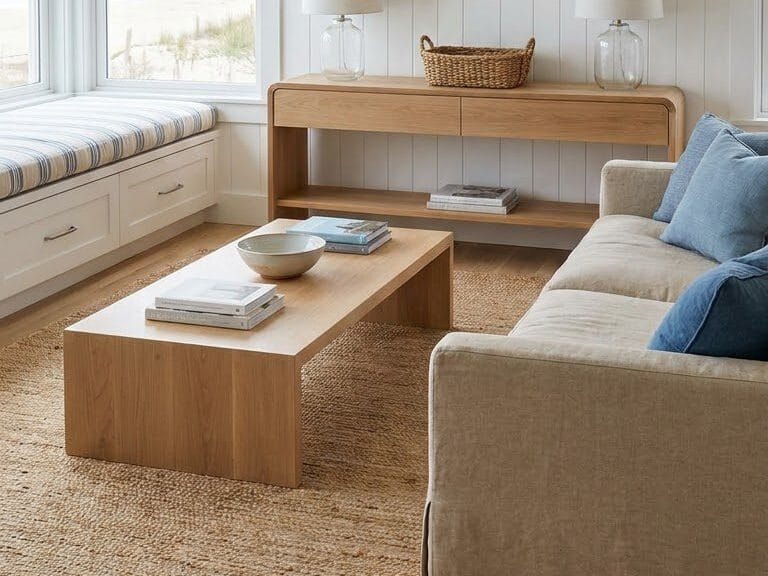
Coastal interiors are known for their uncluttered appearance, so furniture should have clean lines and practical functions instead of excessive ornamentation. Choose pieces that provide comfortable seating, useful storage, and generous surfaces while avoiding overly decorative details. A simple coffee table, streamlined console, or storage bench often contributes more to the room than highly carved furniture. This restrained approach allows natural materials and thoughtful styling to become the main focus.
Add Slipcovered Pieces
Slipcovered sofas and dining chairs are a classic feature of many coastal homes because they combine comfort with a relaxed appearance. Their soft silhouettes help the room feel approachable while removable covers make everyday maintenance easier. Neutral slipcovers also pair well with light wood furniture and woven accents, creating a timeless combination that remains comfortable throughout every season. They work especially well in family homes where practicality is just as important as style.
Quick Fix
Replace dark throw pillows with linen or cotton covers in lighter neutral shades. This simple update can instantly make existing furniture feel more coastal without replacing major pieces.
Add Open Shelving and Display Pieces
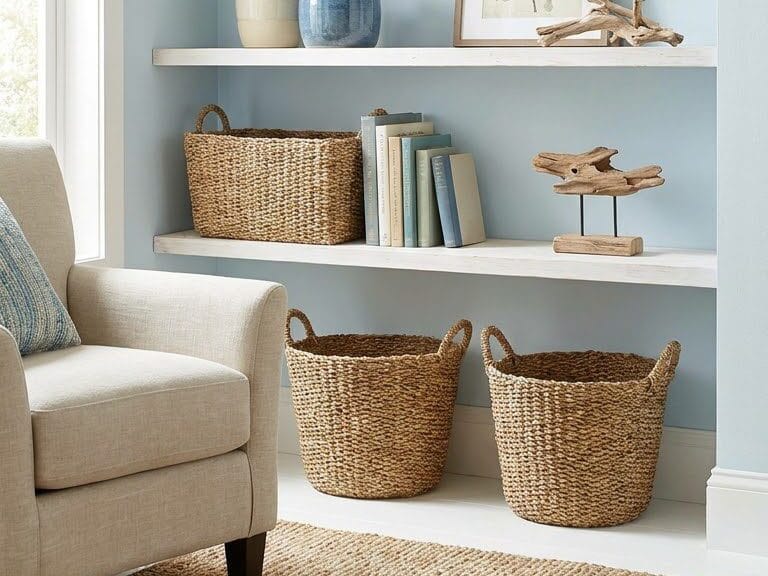
Open shelving complements coastal furniture by creating an airy appearance while providing space to display a few carefully chosen accessories. Style shelves with woven baskets, ceramic vases, books, framed artwork, and natural wood accents instead of filling every surface. Leaving some empty space between decorative pieces helps the room feel lighter and allows each item to stand out naturally. This balanced approach keeps the home organized while supporting the relaxed atmosphere that defines coastal interiors.
Use Furniture With Built In Storage
Storage furniture helps maintain the clean, uncluttered look that coastal homes are known for. Coffee tables with drawers, storage benches, sideboards, and media consoles keep everyday items out of sight while preserving an open and welcoming space. Choosing storage pieces in light wood or painted finishes ensures they blend seamlessly with the rest of the room. Hidden storage also makes it easier to maintain the calm appearance that gives coastal interiors their effortless charm.
Storage Tip
Keep decorative accessories to a minimum and use hidden storage for everyday items. A clutter free room always makes coastal furniture stand out more naturally.
Layer Soft Textures
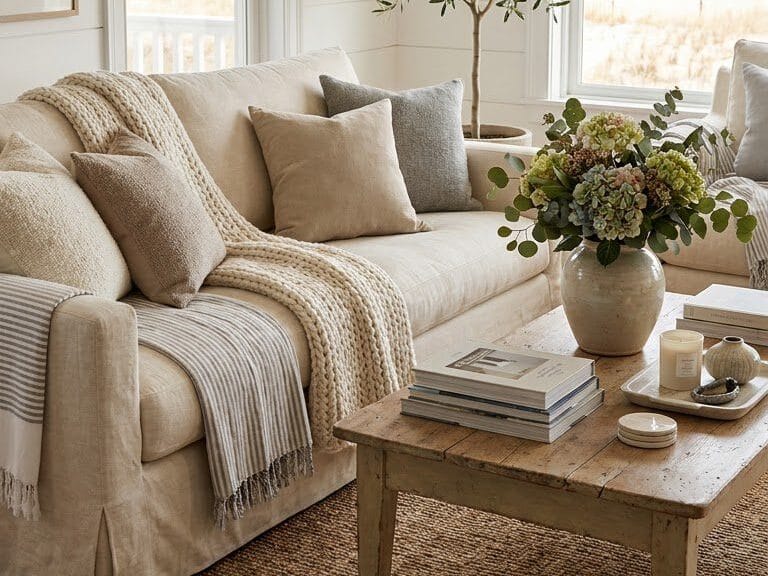
Soft textures make coastal interiors feel comfortable without relying on bold colors or heavy patterns. Linen curtains, cotton throws, woven rugs, and textured cushions introduce warmth while maintaining the relaxed character of the room. Mixing different natural fabrics creates subtle depth and keeps the furniture from feeling too uniform. Choosing soft neutral tones also allows sunlight to reflect around the space, making the home feel brighter and more open throughout the day.
Finish With Simple Natural Décor
The final layer of a coastal interior should feel collected rather than overly themed. Decorative bowls, ceramic pottery, driftwood inspired accents, glass vases, and leafy plants all work beautifully with coastal furniture because they reinforce the connection to nature without appearing overly decorative. Limiting accessories to a few meaningful pieces prevents the room from feeling busy while allowing the furniture and natural materials to remain the main focus.
Quick Fix
Remove a few unnecessary decorative items from tables and shelves. Giving your furniture more visual breathing room instantly creates a lighter and more relaxed coastal atmosphere.
Frequently Asked Questions
What is coastal furniture?
Coastal furniture features natural materials, light wood finishes, comfortable upholstery, and simple designs that create a relaxed and airy atmosphere inspired by coastal living.
What colors work best with coastal furniture?
Soft white, cream, beige, sand, light gray, pale blue, and muted green pair beautifully with coastal furniture because they reflect natural light and maintain a calm appearance.
What materials are commonly used in coastal furniture?
Wood, linen, cotton, rattan, wicker, cane, seagrass, and natural stone are popular materials because they add warmth and texture while supporting a relaxed design style.
Can coastal furniture work outside beach homes?
Yes. Coastal furniture works well in any home because its emphasis on natural materials, comfortable seating, and timeless design creates a welcoming atmosphere regardless of location.
Bottom Line
Coastal furniture brings together comfort, natural materials, and timeless design to create interiors that feel bright, relaxed, and welcoming every day. Light wood finishes, woven textures, soft upholstery, and practical storage all contribute to a home that feels open without sacrificing warmth or functionality.
Focus on choosing furniture that is both comfortable and practical while keeping the overall design simple and uncluttered. A thoughtfully furnished coastal home captures the peaceful feeling of a seaside retreat and creates a space that remains inviting throughout every season.