
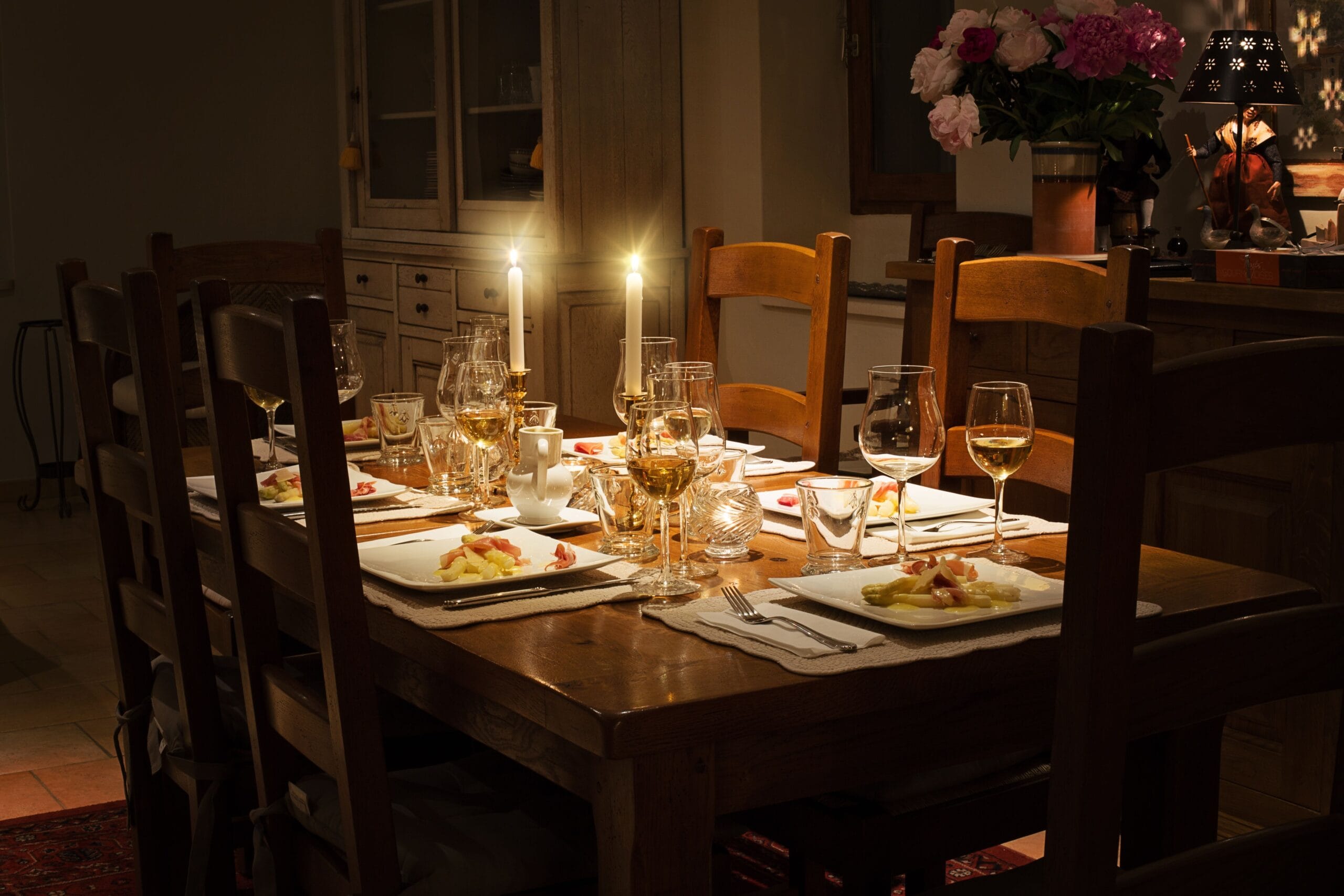
A dark moody dining room creates a warm, intimate setting that encourages people to slow down and enjoy meals together. Deep colors, layered textures, and thoughtful lighting give the room a sense of depth while making it feel comfortable rather than overwhelming. Whether your dining room is large or compact, the right design choices can create an atmosphere that feels timeless and welcoming.
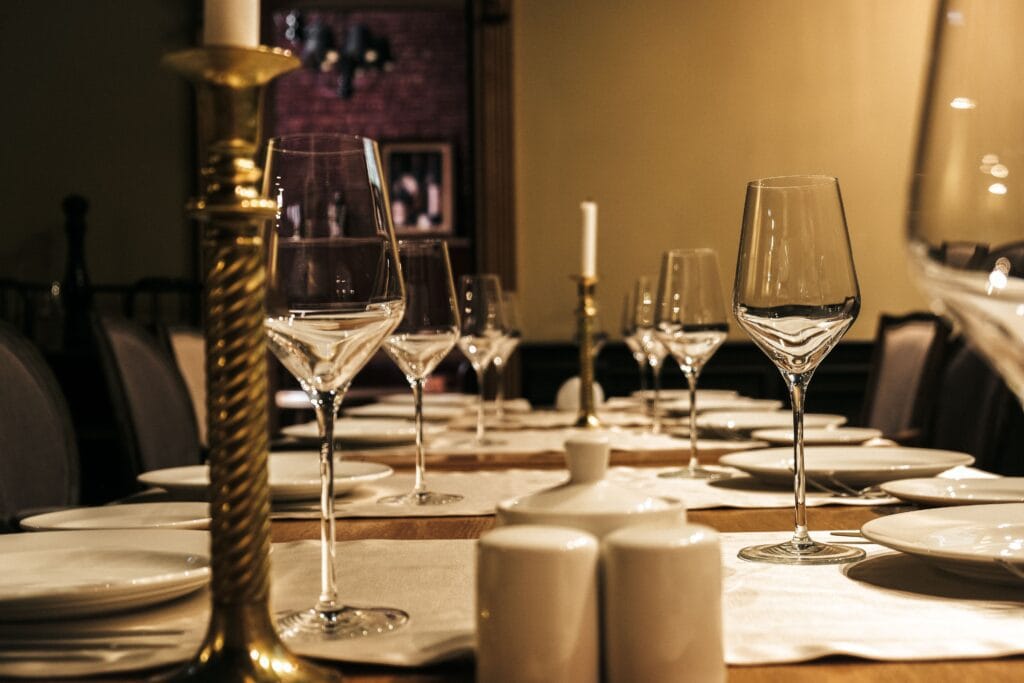
Creating a darker interior is not simply about painting the walls black. The balance between color, lighting, furniture, and natural materials is what makes the room feel inviting instead of heavy. By layering finishes and choosing pieces that complement one another, you can achieve a dining room that feels refined while remaining practical for everyday use.
Choose Deep Wall Colors
The foundation of a dark moody dining room begins with rich wall colors that create depth and character. Charcoal, deep green, navy, chocolate brown, and warm black all work well because they provide a dramatic backdrop without making the room feel flat. Pairing darker walls with lighter ceilings or natural wood accents helps maintain balance while allowing the space to feel enclosed in a comfortable way. Matte finishes often enhance the moody atmosphere by absorbing light instead of reflecting it.
Layer Different Lighting Sources
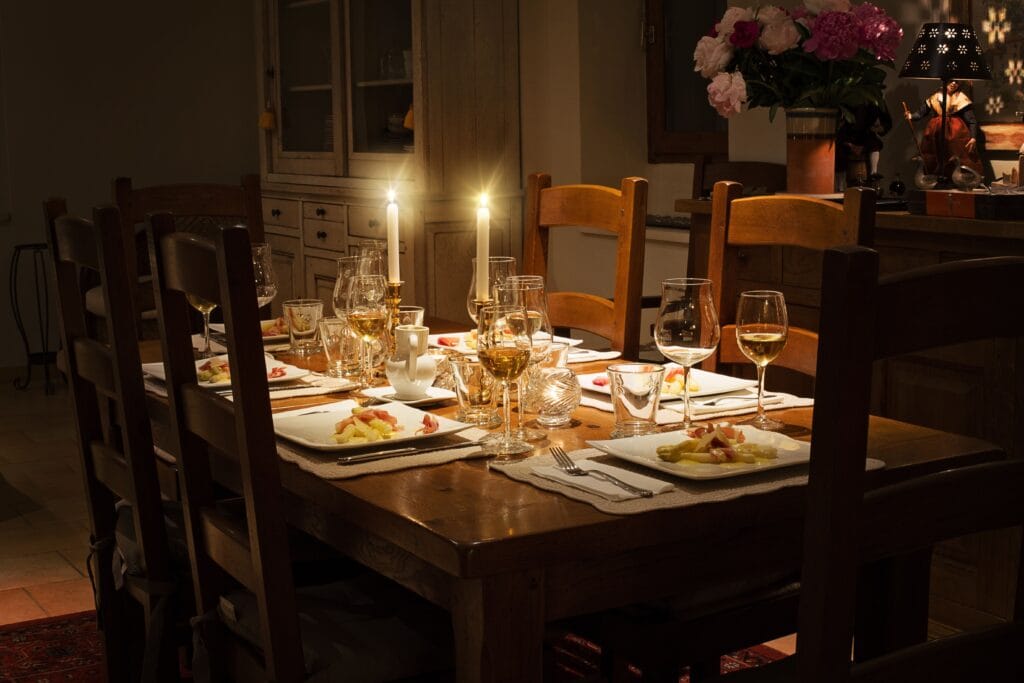
Lighting has a major influence on how a dark dining room feels. Instead of relying only on one ceiling fixture, combine a statement pendant light with wall sconces, table lamps, or candles to build warmth throughout the room. Warm white lighting softens darker colors while highlighting wood grain, fabrics, and decorative details. Using dimmers allows you to adjust the atmosphere for everyday meals, family gatherings, or evening entertaining without changing the overall design.
Add Warm Wood Furniture
Natural wood helps balance darker colors by introducing warmth and texture into the room. Walnut, oak, reclaimed wood, and stained finishes pair beautifully with deep wall colors while making the dining space feel more welcoming. A solid wood dining table often becomes the centerpiece of the room, while matching or complementary chairs complete the overall design. Combining natural materials with darker finishes prevents the space from feeling cold while giving it a timeless appearance.
Pro Tip
Test paint samples on different walls before making a final decision. Dark colors often look different throughout the day as natural and artificial lighting changes.
Mix Soft Textures
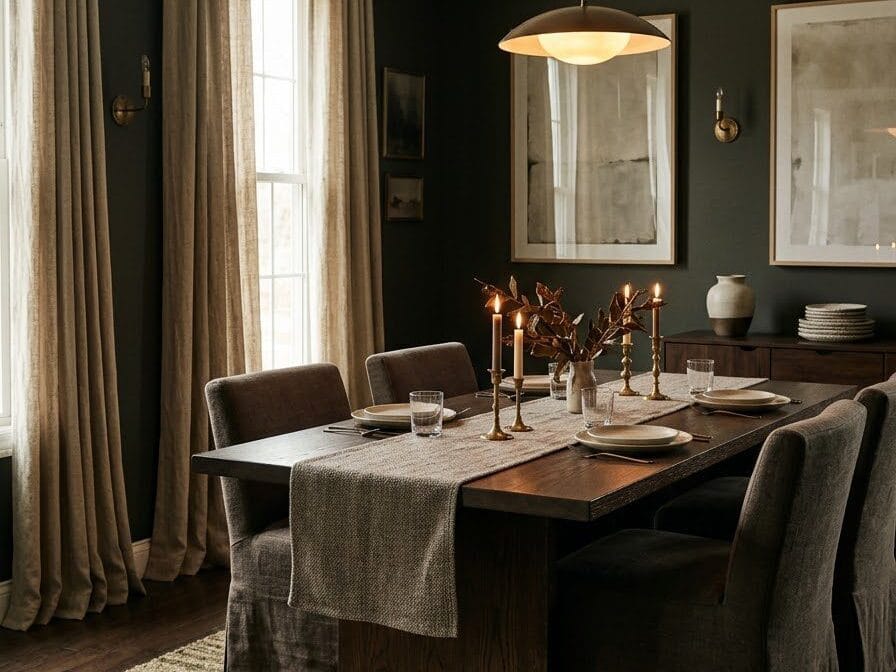
Layering fabrics is one of the easiest ways to make a moody dining room feel comfortable. Upholstered dining chairs, linen curtains, woven rugs, and textured table runners soften the harder surfaces found in wood furniture and flooring. Choosing fabrics in neutral or earthy shades helps maintain a calm appearance while adding depth without introducing unnecessary patterns. The combination of rich colors and soft textures creates a dining room that feels inviting throughout every season.
Use Black Accents Thoughtfully
Black accents help strengthen the overall design when they are repeated throughout the room. Light fixtures, picture frames, candle holders, cabinet hardware, and mirror frames can all reinforce the darker palette without overwhelming the space. Rather than filling the room with black furniture, balance these accents with natural wood, stone, or lighter fabrics to create contrast. Repeating black finishes in several areas helps the design feel cohesive and intentional.
Quick Fix
Replace bright daylight bulbs with warm white bulbs. This simple change immediately makes a dark moody dining room feel warmer and more comfortable.
Display Simple Decorative Pieces

Decor plays an important role in completing a dark moody dining room, but less is often more. A ceramic vase filled with seasonal branches, a stack of books, framed artwork, or a few candle holders can add personality without making the table or sideboard feel crowded. Choosing natural materials such as stone, wood, glass, and ceramic keeps the space feeling timeless while allowing the darker colors to remain the main focus. A few carefully selected accessories usually create a stronger impression than filling every surface with decorations.
Use Artwork to Add Depth
Artwork helps break up darker walls while adding character to the dining room. Landscape paintings, vintage prints, black and white photography, or abstract artwork with earthy tones all complement a moody color palette. Hanging one larger piece instead of several smaller frames often creates a cleaner and more balanced appearance. Position artwork where it can be appreciated from the dining table, allowing it to become part of the overall atmosphere without competing with other design features.
Pro Tip
Choose frames that coordinate with your lighting and hardware finishes. Repeating the same finish throughout the room helps create a more unified design.
Add Greenery for Contrast

Plants introduce freshness and natural color that beautifully balances darker interiors. A large floor plant in one corner, a simple centerpiece of leafy branches, or a few small potted plants on a sideboard can soften deep wall colors while making the room feel more welcoming. Neutral planters made from ceramic, terracotta, or stone work especially well because they complement both modern and traditional dining rooms without distracting from the overall design.
Balance Dark Colors With Lighter Elements
A successful dark moody dining room should feel rich without becoming overwhelming. Introducing lighter elements through upholstered chairs, curtains, rugs, ceilings, or natural stone surfaces prevents the room from feeling too enclosed. This contrast also reflects more light around the space, helping highlight architectural details and furniture. Balancing dark and light materials creates a dining room that feels comfortable throughout the day while maintaining its dramatic atmosphere in the evening.
Quick Fix
If your dining room feels too dark, add a lighter rug or upholstered dining chairs before repainting the walls. Small changes in texture and color can noticeably brighten the space while preserving the moody atmosphere.
Frequently Asked Questions
What colors work best in a dark moody dining room?
A dark moody dining room works well with charcoal, deep green, navy, chocolate brown, and warm black paired with natural wood and soft neutral accents.
How do you make a dark dining room feel inviting?
Layer warm lighting, natural wood furniture, textured fabrics, greenery, and a few carefully chosen decorative pieces to balance the darker colors.
Is dark paint suitable for a small dining room?
Yes. Dark paint can make a small dining room feel more intimate and comfortable when paired with good lighting and lighter accents that create balance.
What lighting is best for a moody dining room?
Warm white lighting combined with pendant lights, wall sconces, table lamps, or candles creates a comfortable atmosphere while highlighting the room’s colors and textures.
Bottom Line
A dark moody dining room combines rich colors, natural materials, layered lighting, and thoughtful details to create a space that feels warm and welcoming. When each element is balanced carefully, darker interiors can feel just as comfortable as lighter ones while adding depth and character to everyday dining.
Focus on building the room gradually by combining timeless furniture, warm lighting, soft textures, and carefully chosen accessories. A well designed moody dining room creates an atmosphere that encourages people to gather, relax, and enjoy spending time together for years to come.