
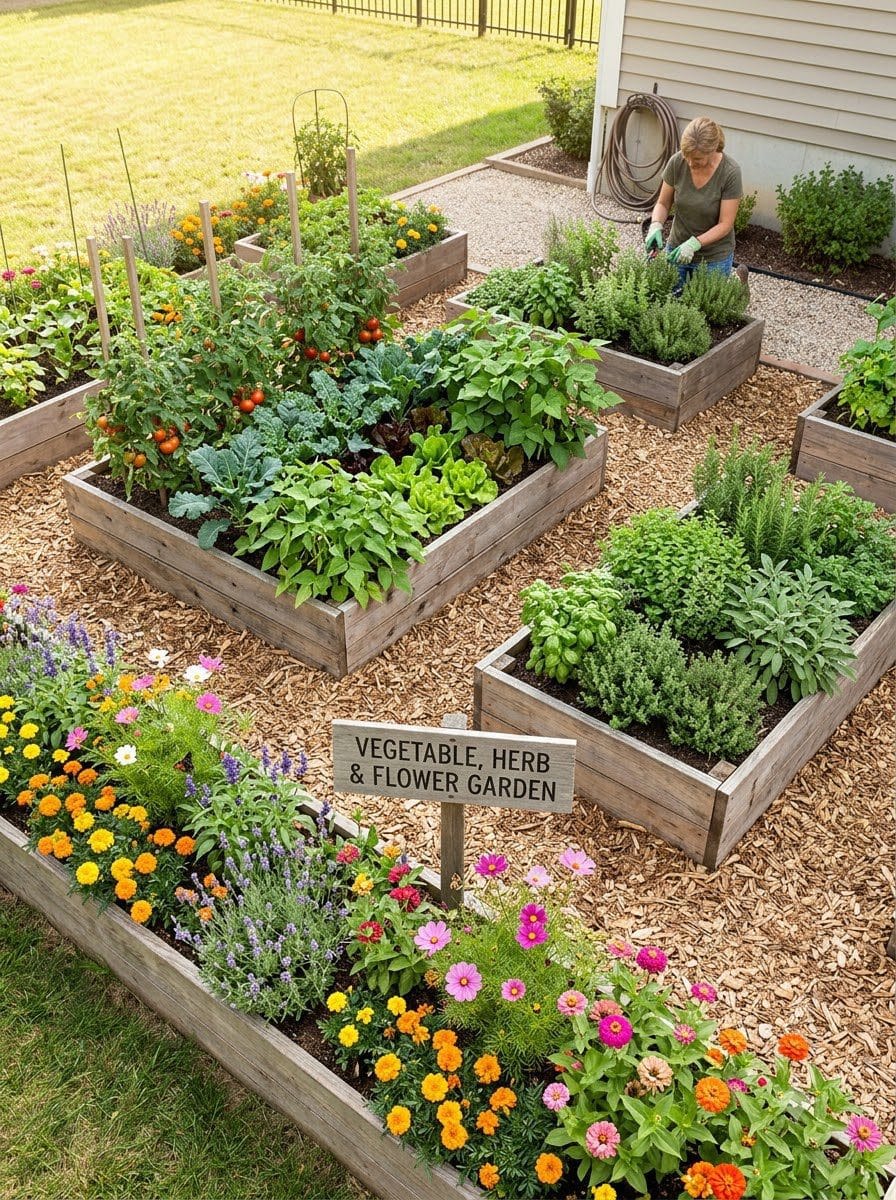
A raised garden bed layout can make a garden more productive by using available space more efficiently while keeping plants easier to maintain. Instead of placing beds wherever there is room, a thoughtful layout considers sunlight, walking paths, plant spacing, and future growth. The result is a garden that feels organized, supports healthier plants, and makes everyday gardening much more enjoyable.
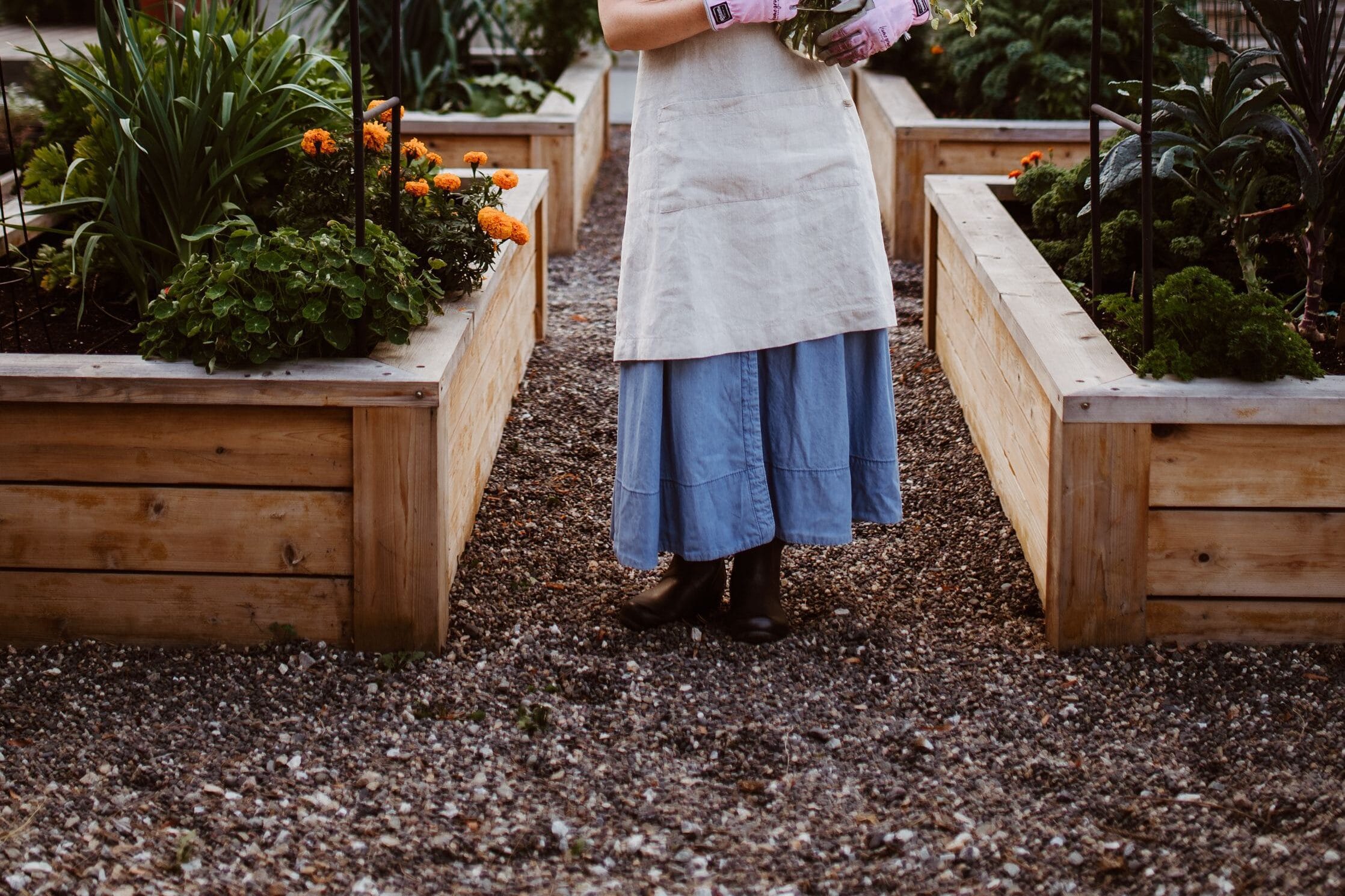
Whether you have a compact backyard or a larger growing area, planning the layout before building your beds can save time and prevent common mistakes. With the right arrangement, you can fit more plants into the available space while still leaving enough room to walk, water, harvest, and maintain the garden comfortably.
Position Beds for Maximum Sunlight
The most successful raised garden bed layout begins by placing beds where they receive the amount of sunlight needed for your plants. Most vegetables grow best with at least six to eight hours of direct sunlight each day, so observe how sunlight moves across your yard before deciding where each bed should go. Avoid positioning taller beds or trellises where they cast unnecessary shade over smaller plants. Planning around sunlight from the beginning helps improve plant growth while reducing the need to move beds or change the layout later.
Leave Comfortable Walking Paths
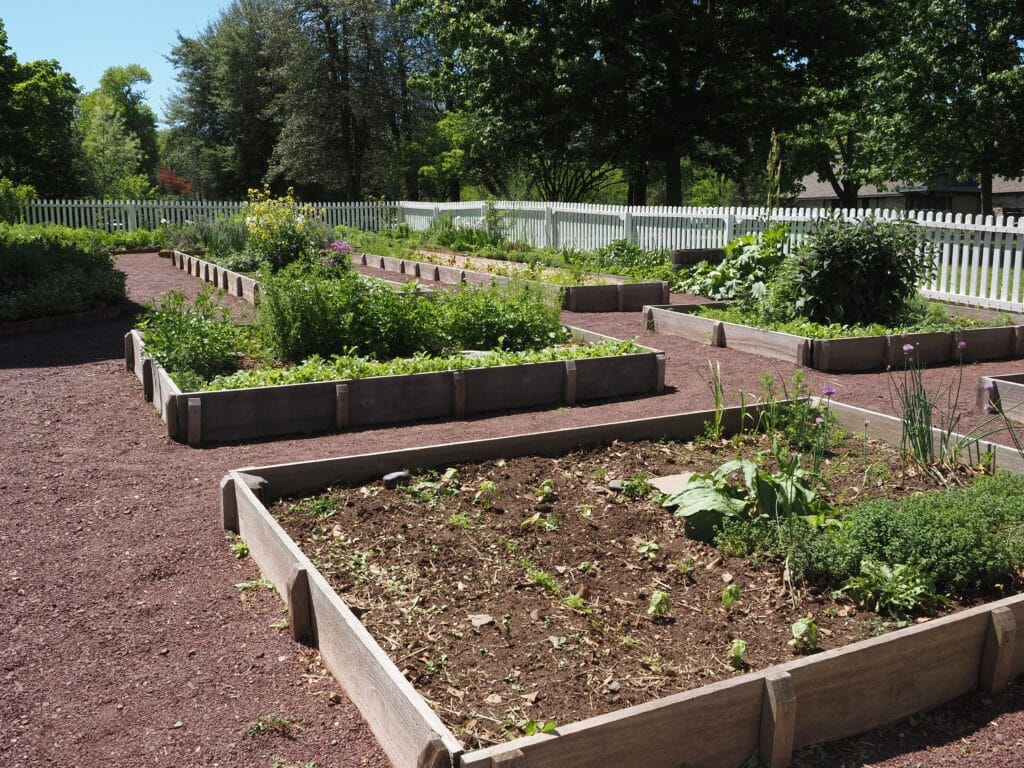
Walkways are just as important as the beds themselves because they allow easy access for watering, pruning, harvesting, and weeding. Leave enough space between beds to move comfortably with a watering can, wheelbarrow, or garden cart without stepping into the soil. Gravel, mulch, brick, or stepping stones all make practical pathway materials while helping define the overall garden layout. Well planned paths also improve drainage and keep the growing areas cleaner throughout the gardening season.
Group Plants With Similar Needs
Keeping plants with similar watering, sunlight, and soil requirements together makes the garden much easier to maintain. Vegetables that need frequent watering should share the same bed, while drought tolerant herbs can occupy another. Organizing beds this way simplifies your daily routine because each section of the garden can be cared for according to its specific needs. It also reduces wasted water and helps create healthier growing conditions for every plant.
Garden Tip
Leave enough room around every bed to reach the center without stepping into the soil. This helps prevent soil compaction and makes maintenance much easier.
Use Vertical Growing Space
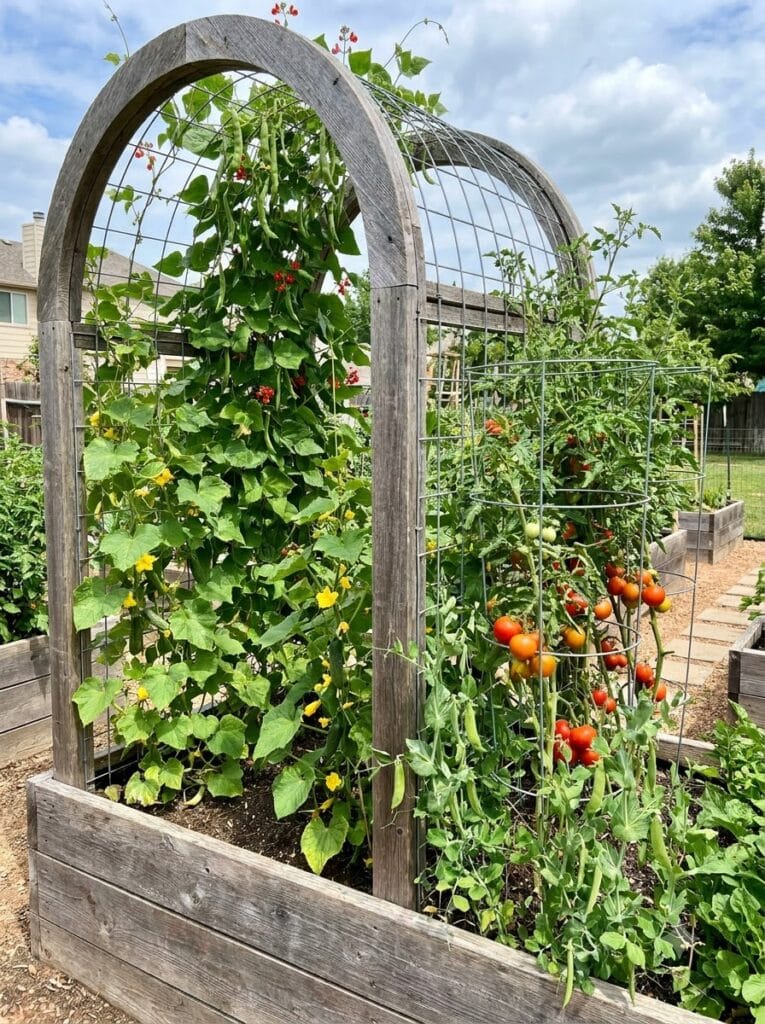
Adding trellises, arches, or vertical supports allows a raised garden bed layout to produce more without increasing its footprint. Climbing vegetables such as beans, cucumbers, peas, and tomatoes can grow upward instead of spreading across valuable bed space. Vertical growing also improves air circulation, keeps fruit cleaner, and makes harvesting easier. Planning for these supports before planting ensures they fit naturally into the overall layout without blocking sunlight from nearby beds.
Arrange Beds in Simple Rows
Straight rows create one of the easiest layouts to build, maintain, and expand over time. Aligning raised beds in parallel rows provides consistent pathways while making watering systems and irrigation easier to install. This layout also creates a balanced appearance that works well in both small and large gardens. If you plan to add more beds later, simple rows make future expansion much easier without redesigning the entire garden.
Pro Tip
Mark the layout with rope or garden hoses before building the beds. Walking through the planned pathways helps you confirm that everything feels comfortable before construction begins.
Separate Vegetables, Herbs, and Flowers
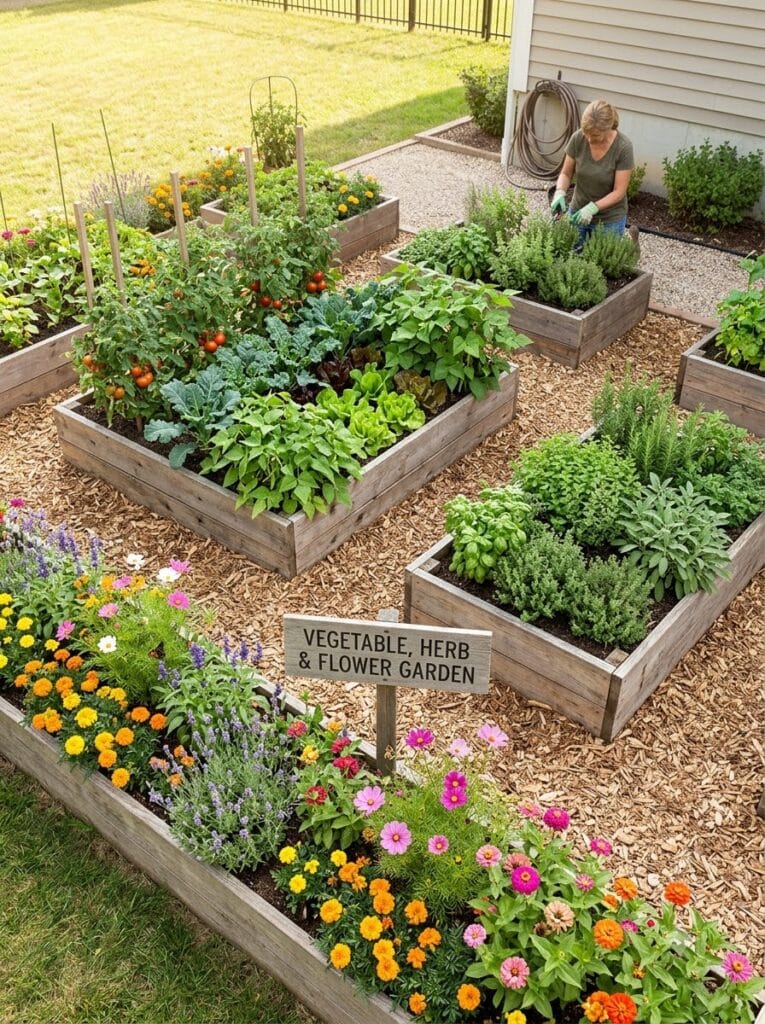
A well planned raised garden bed layout becomes easier to manage when different types of plants are grouped into dedicated beds. Vegetables, herbs, and flowers often have different watering schedules, growing habits, and maintenance needs, so keeping them separate simplifies routine care. This approach also makes crop rotation easier from one season to the next while giving every bed a clear purpose. If space allows, placing flowering plants around the edges of the garden can also attract beneficial pollinators that support healthier vegetable crops.
Plan for Easy Watering
Watering should be convenient no matter where you stand in the garden. Position raised beds so every one can be reached easily with a hose or irrigation system without dragging equipment across planting areas. Installing drip irrigation or soaker hoses between rows also becomes much simpler when the layout follows a consistent pattern. Planning water access before planting reduces daily effort while helping plants receive more even moisture throughout the growing season.
Time Saver
Install drip irrigation before filling your raised beds with plants. It saves time throughout the growing season and delivers water directly to the roots where it is needed most.
Leave Room for Future Expansion
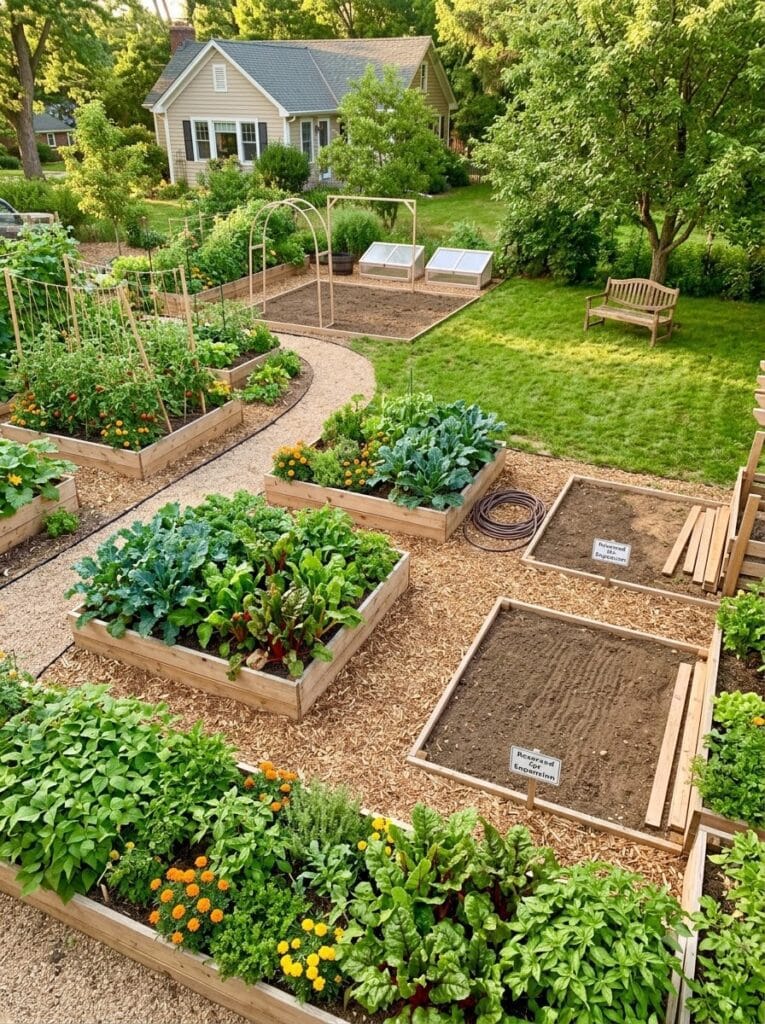
Many gardeners discover they want additional growing space after their first successful season. Leaving a little open space within your raised garden bed layout makes it much easier to add another bed, compost bin, greenhouse, or seating area later without disrupting the existing design. Planning for future growth also allows you to adapt the garden as your interests change, whether that means growing more vegetables, adding flowers, or experimenting with new crops.
Keep the Layout Simple to Maintain
The most productive gardens are often the simplest to care for. Avoid creating unnecessary corners, narrow pathways, or complicated bed shapes that make mowing, watering, and harvesting more difficult. Straightforward layouts reduce maintenance while making the entire garden feel more organized and accessible. Choosing a practical design from the beginning allows you to spend more time growing healthy plants and less time working around an inefficient layout.
Garden Tip
Review your garden layout at the end of each growing season. Small adjustments based on how you actually use the space can make next year’s garden even more productive.
Frequently Asked Questions
What is the best raised garden bed layout?
The best raised garden bed layout provides plenty of sunlight, comfortable pathways, efficient watering, and enough space between beds for easy maintenance and harvesting.
How far apart should raised garden beds be?
Most pathways work well at about 2 to 3 feet wide, providing enough room to walk comfortably and move gardening tools between the beds.
Should raised garden beds face a certain direction?
In many gardens, positioning beds from north to south helps plants receive more even sunlight throughout the day, although the ideal orientation depends on your yard and surrounding structures.
How many raised beds should a beginner have?
Starting with two to four raised beds is usually enough for beginners. This provides plenty of growing space while keeping watering, weeding, and harvesting manageable.
Bottom Line
A thoughtful raised garden bed layout helps you make better use of available space while creating a garden that is easier to maintain and more productive throughout the growing season. Careful placement, practical pathways, efficient watering, and room for future expansion all contribute to healthier plants and a more enjoyable gardening experience.
By planning the layout before building your raised beds, you can create a garden that grows with your needs and remains functional for years to come. A simple, organized design often produces better results than a crowded layout that becomes difficult to maintain.