

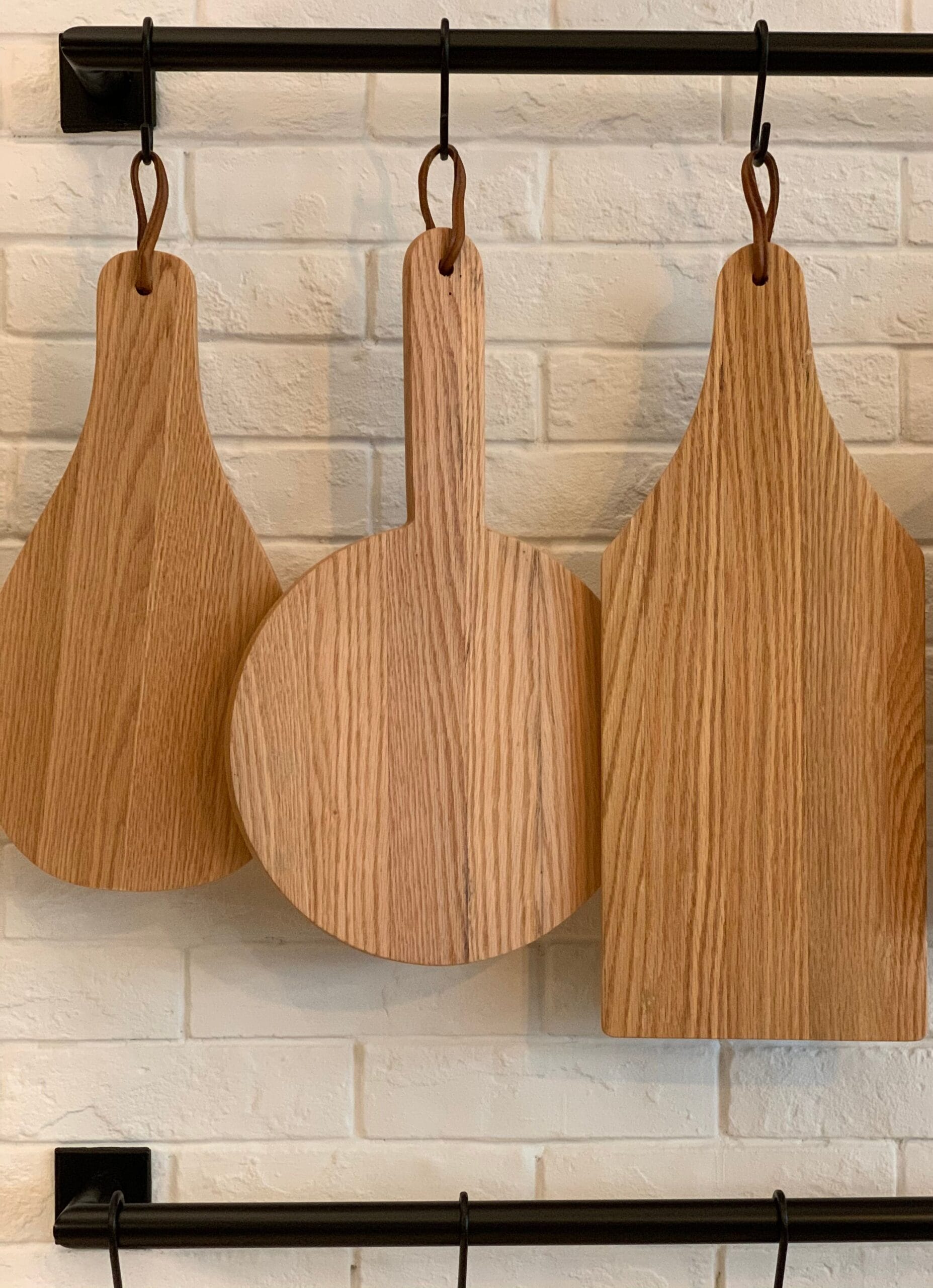
The best place to store cutting boards is somewhere that keeps them easy to grab, easy to dry, and out of the way. Too often, cutting boards end up stacked behind heavy pans, squeezed into crowded cabinets, or left on the countertop where they add unnecessary clutter. A better storage system not only saves space but also makes everyday cooking much more convenient.
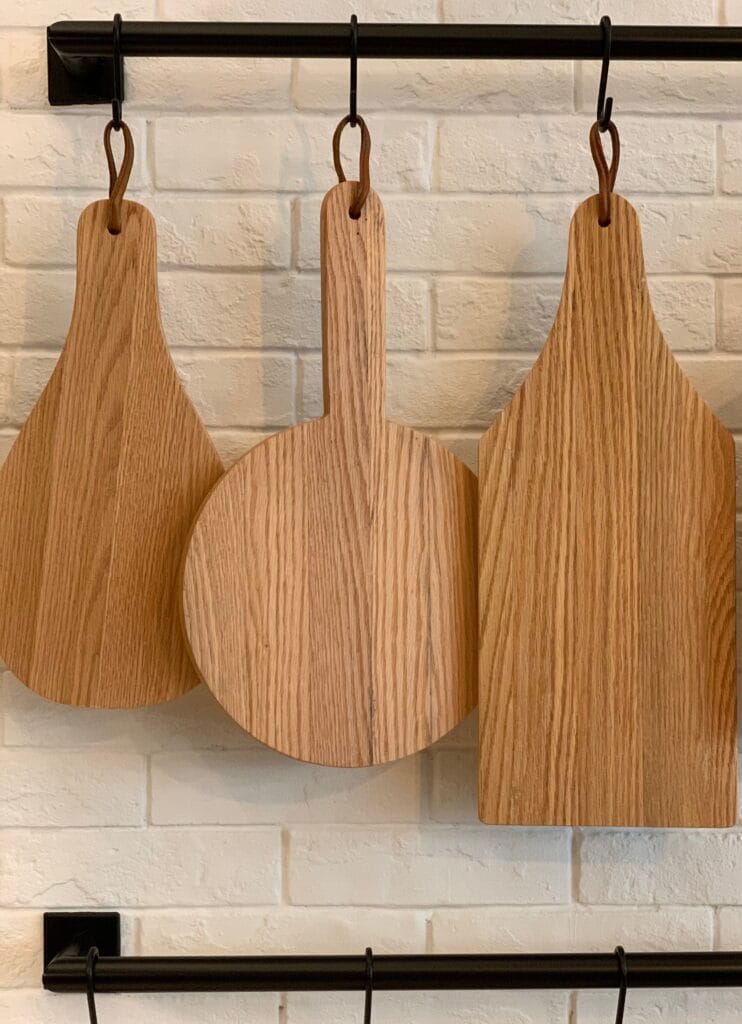
The good news is that you do not need a larger kitchen to keep cutting boards organized. With a few simple storage ideas, you can make better use of cabinets, drawers, and unused spaces while keeping every board within easy reach.
Store Cutting Boards Vertically
Standing cutting boards upright instead of stacking them flat is one of the easiest ways to save space. A vertical organizer allows you to grab the board you need without lifting several others first, while also helping boards dry more evenly after washing.
Turn an Empty Cabinet Into a Cutting Board Station
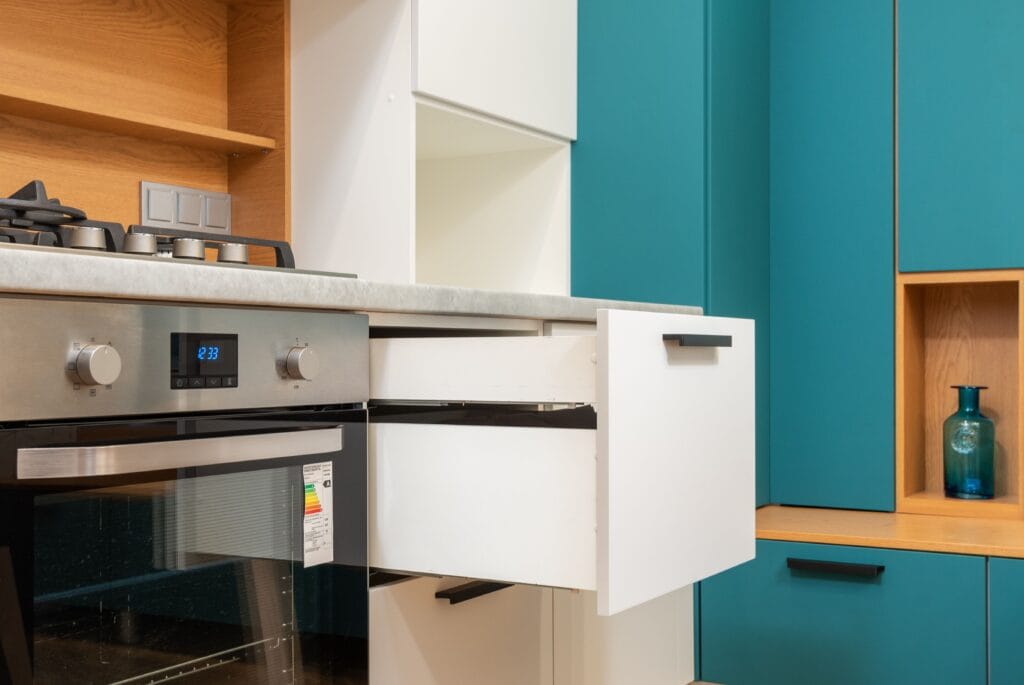
If you have one cabinet with extra room, dedicate a small section to cutting boards only. Adding a few simple dividers keeps each board separated, prevents scratches, and stops everything from falling over whenever the cabinet door is opened.
Make Use of Narrow Spaces
The slim gap beside a refrigerator, pantry, or cabinet is often wasted. A narrow pull out organizer or vertical rack can turn this overlooked area into convenient storage for cutting boards, baking trays, and cooling racks without taking up additional floor space.
Pro Tip
Always store cutting boards completely dry. Putting away damp boards can trap moisture and shorten their lifespan over time.
Use the Inside of Cabinet Doors
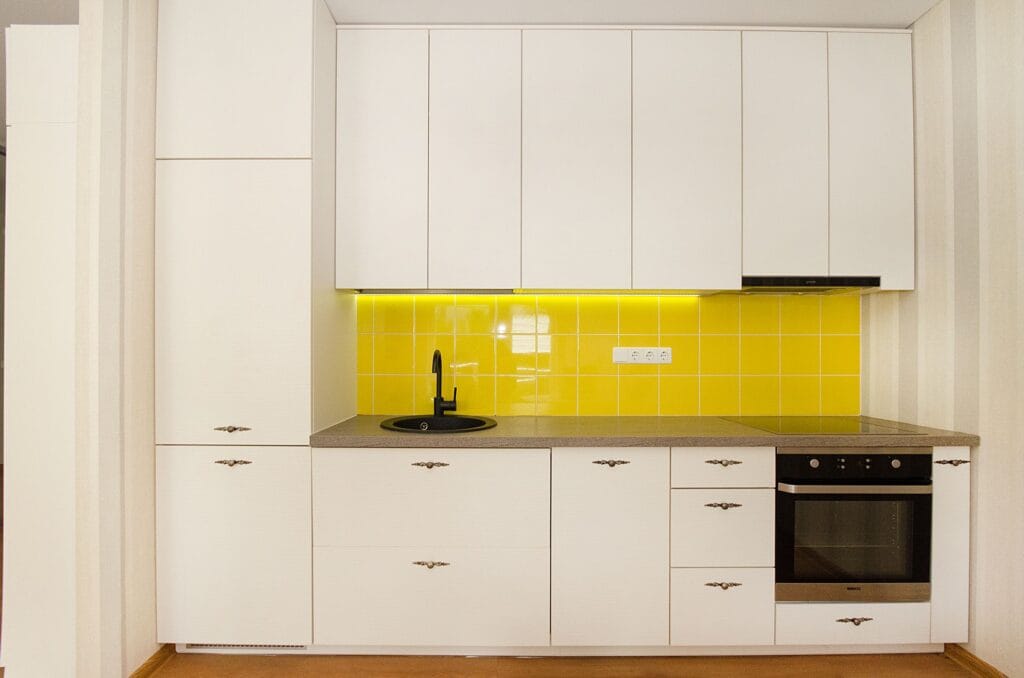
The inside of a cabinet door can hold lightweight cutting boards without taking away shelf space. A slim rack or holder keeps boards upright and easy to reach while making better use of storage that would otherwise remain empty.
Keep Cutting Boards Close to Your Prep Area
The best storage location is usually close to where you prepare food. Keeping cutting boards near the countertop where you chop vegetables or prepare meals saves time and makes it easier to return them to the same place after every use.
Choose a Countertop Holder for Everyday Use
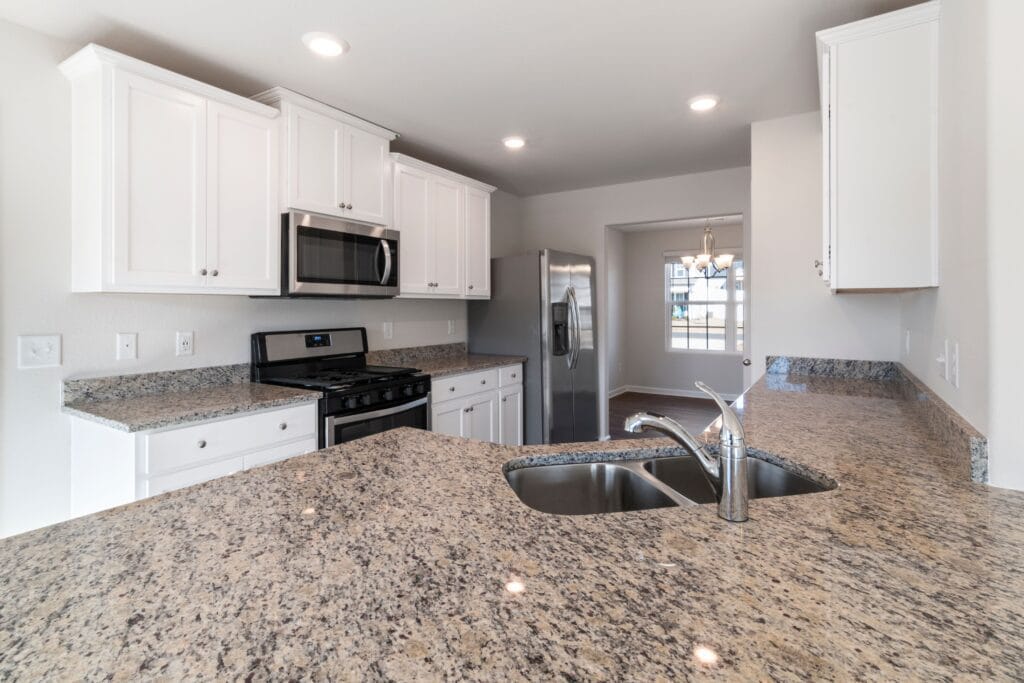
If you reach for the same cutting board every day, a compact countertop holder can be the most practical option. It keeps the board upright, allows air to circulate, and takes up very little space while keeping your favorite board within easy reach.
Storage Tip
Keep your everyday cutting boards nearby and move specialty serving boards or oversized boards to higher cabinets until you need them.
Add Dividers to Deep Drawers
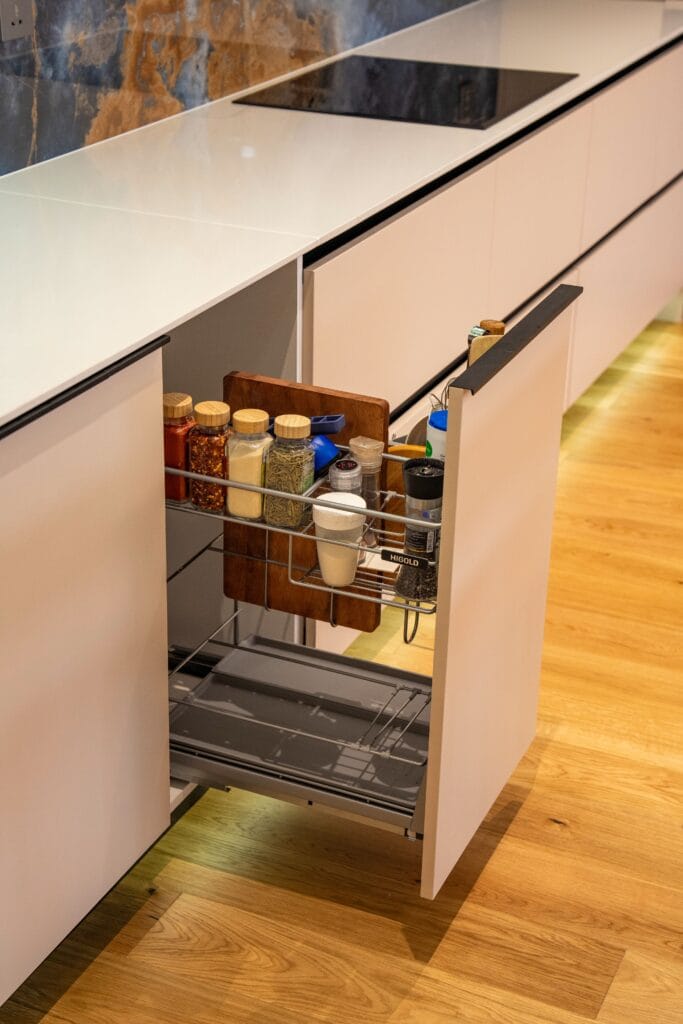
Deep drawers are useful for storing cutting boards, but they can quickly become disorganized if everything slides around. Simple drawer dividers keep each board standing separately, making it easier to find the right size without creating a messy pile.
Use a Rolling Cart if Cabinet Space Is Limited
If your kitchen is short on cabinet space, a slim rolling cart can provide extra storage for cutting boards along with baking sheets, trays, and kitchen towels. It can be tucked beside a cabinet or moved wherever you need additional workspace.
Avoid Stacking Too Many Boards Together
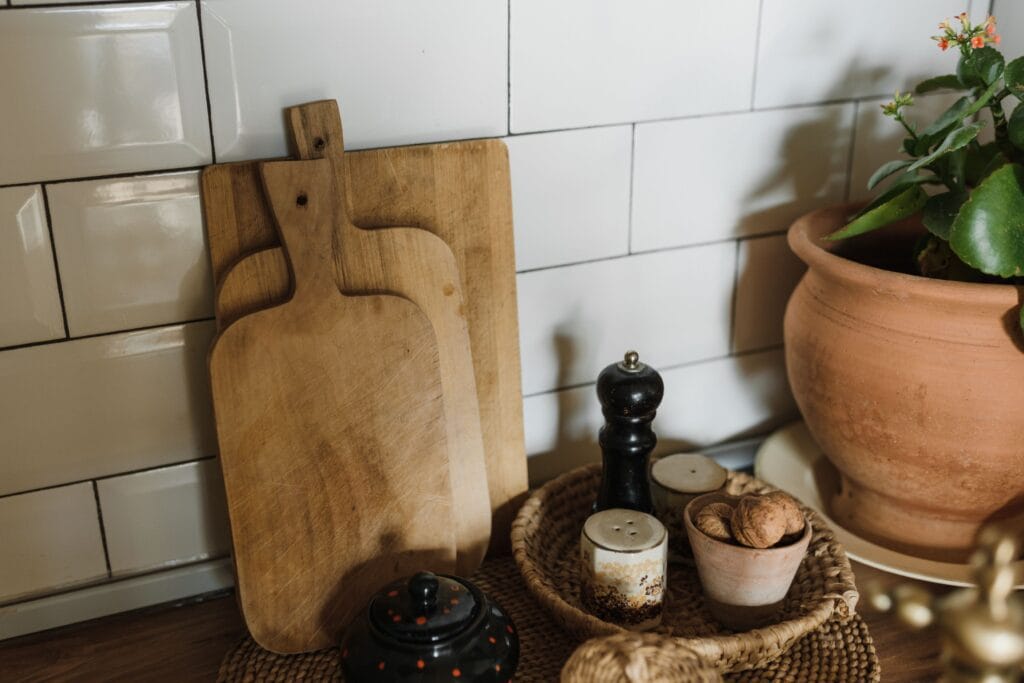
Stacking several cutting boards on top of each other may seem convenient, but it makes the bottom boards difficult to reach and can trap moisture between them. Keeping only a few boards in each storage area makes them easier to access and helps them stay in better condition.
Pro Tip
If you own several cutting boards, consider keeping only two or three in your main prep area. Store seasonal, oversized, or serving boards somewhere less accessible until you need them.
Declutter Before Adding Storage Organizers
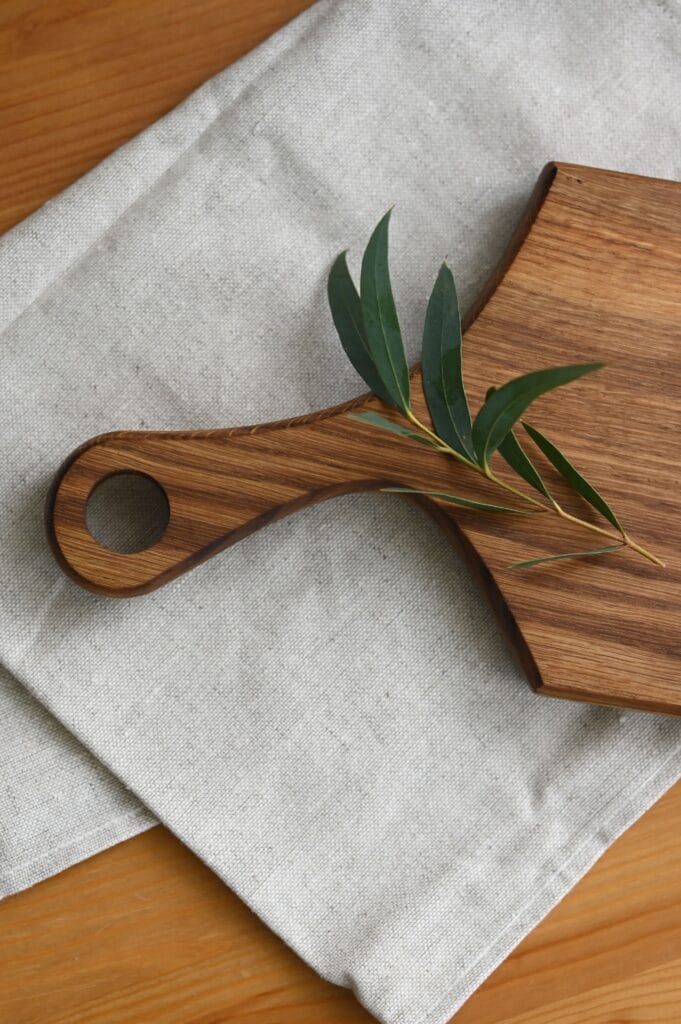
Before buying racks or organizers, take a look at how many cutting boards you actually use. Many kitchens have duplicate boards that rarely leave the cabinet. Removing items you no longer need often creates enough space without buying additional storage products.
Keep the Storage System Simple
The best place to store cutting boards is the one that makes them easy to put away every time. Whether you choose a vertical rack, cabinet divider, drawer organizer, or countertop holder, keeping the system simple makes it much more likely that your kitchen will stay organized in the long run.
Storage Tip
Clean and dry your cutting boards before putting them away, and avoid storing them tightly packed together. A little airflow helps prevent trapped moisture and keeps them ready for the next use.
Frequently Asked Questions
What is the best place to store cutting boards?
The best place to store cutting boards is close to your food preparation area using vertical storage, cabinet dividers, or a drawer organizer. This keeps them easy to reach while using space efficiently.
Is it better to store cutting boards vertically or flat?
Vertical storage is usually the better option because each board is easier to remove, takes up less space, and allows better air circulation after cleaning.
Can I store cutting boards in a drawer?
Yes. Deep drawers work well as long as you use dividers to keep the boards upright and prevent them from sliding into one another.
Should cutting boards be stored on the countertop?
If you use the same board every day, a compact countertop holder is a practical choice. Otherwise, storing cutting boards inside a cabinet or drawer helps keep countertops free of clutter.
Bottom Line
Finding the best place to store cutting boards is less about buying expensive organizers and more about using your existing kitchen space wisely. Vertical storage, cabinet dividers, drawer organizers, and countertop holders all make cutting boards easier to access while keeping the kitchen neat.
Choose a storage method that fits the way you cook, keep your most frequently used boards within easy reach, and avoid overcrowding your cabinets. A simple storage system will save space, reduce clutter, and make everyday meal preparation much more efficient.