

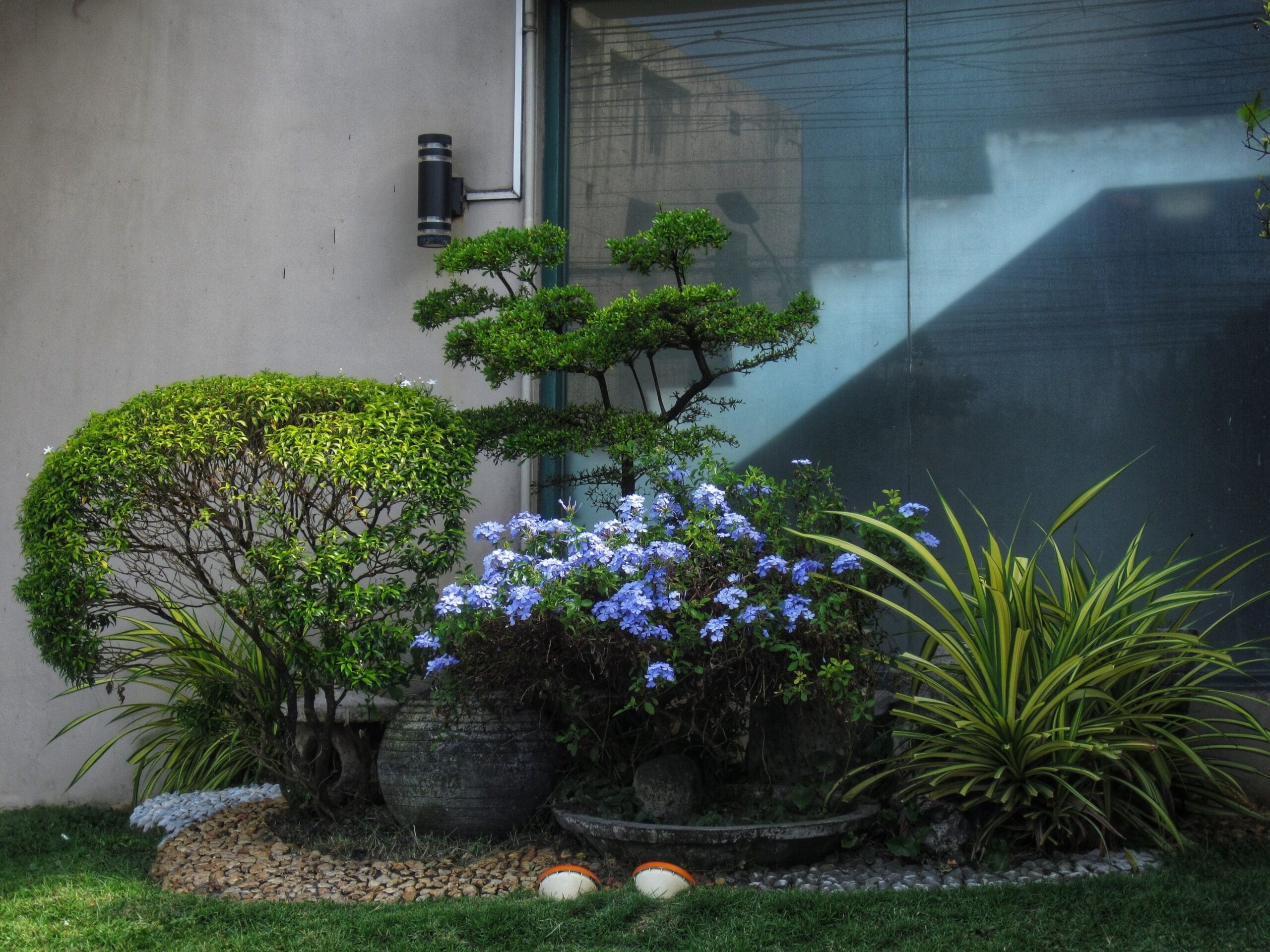
Small garden ideas can help you create a relaxing outdoor space even if you have little gardening experience. Starting with a small garden is often easier than managing a large one because it requires less maintenance, fewer plants, and a smaller budget. With the right approach, you can grow flowers, herbs, vegetables, or decorative plants without feeling overwhelmed.
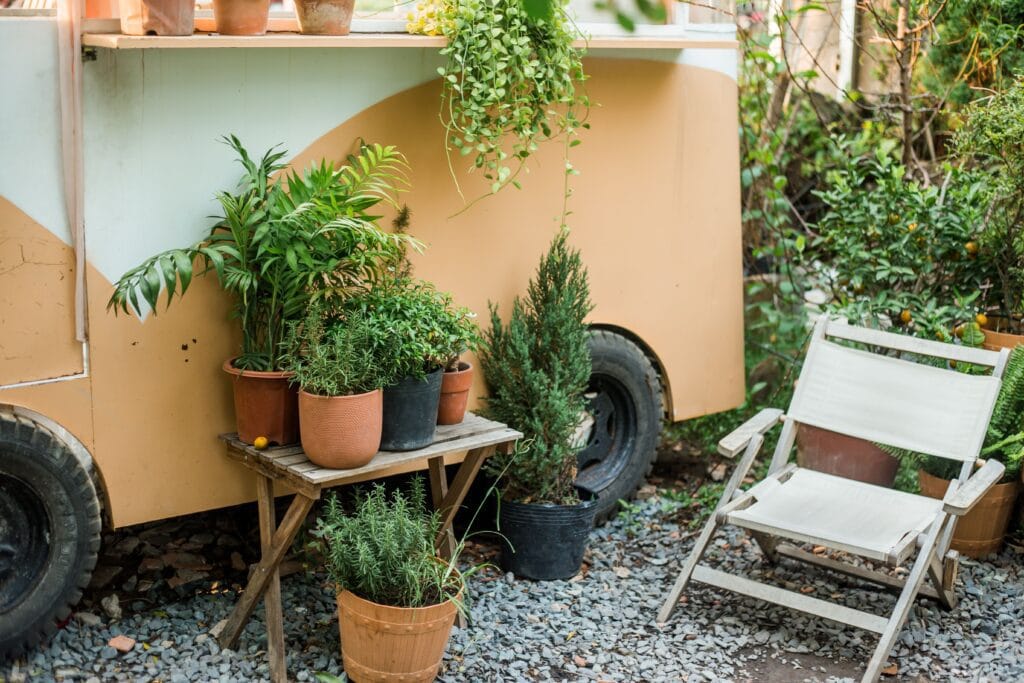
You do not need professional landscaping skills or expensive equipment to build a garden you enjoy. By choosing simple projects and easy-to-grow plants, you can create a space that looks organized, stays manageable, and becomes more rewarding as your confidence grows.
Start With a Small Garden Bed
Many beginners make the mistake of planting too much at once. A small garden bed is easier to water, weed, and maintain while giving you enough space to learn basic gardening skills. Starting small also allows you to understand what grows well in your yard before expanding later.
Grow Plants That Are Easy to Maintain
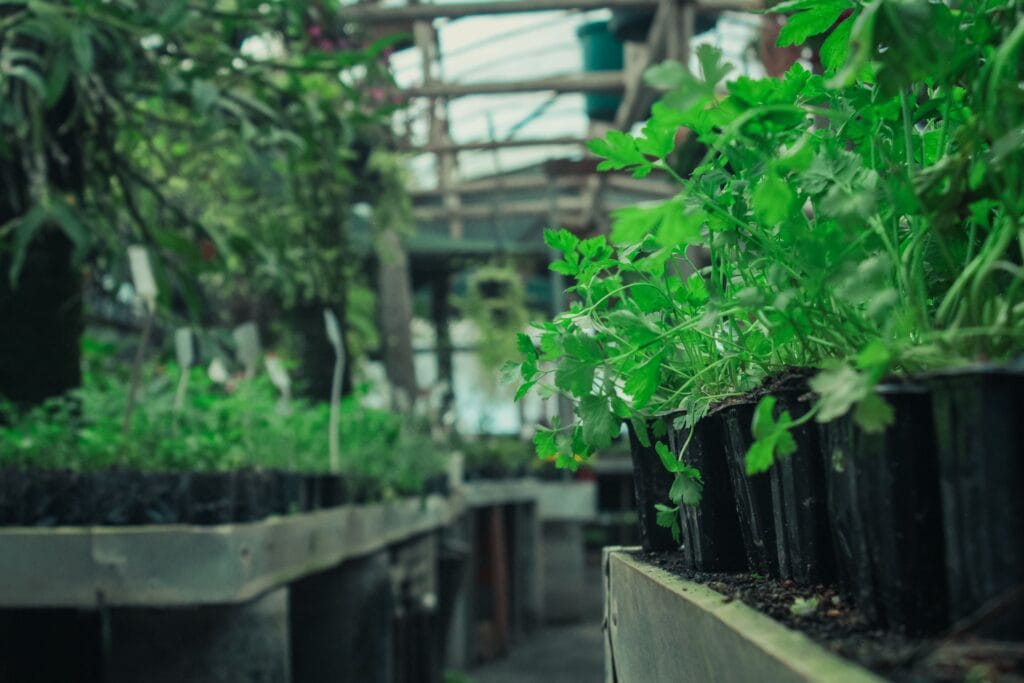
Choose plants that naturally grow well in your local climate and do not require constant care. Herbs such as basil, mint, and rosemary are beginner friendly, while flowers like marigolds and zinnias provide long lasting color with minimal effort. Low maintenance plants help build confidence because they are more forgiving of small mistakes.
Use Raised Garden Beds
Raised garden beds make gardening easier by improving drainage, reducing weeds, and creating better soil conditions. They are also more comfortable to work with because you spend less time bending over. Even one small raised bed can produce vegetables, herbs, or flowers throughout the growing season.
Pro Tip
Read the plant tag before buying anything. It tells you how much sunlight, water, and space the plant needs, helping you avoid common beginner mistakes.
Add Container Plants
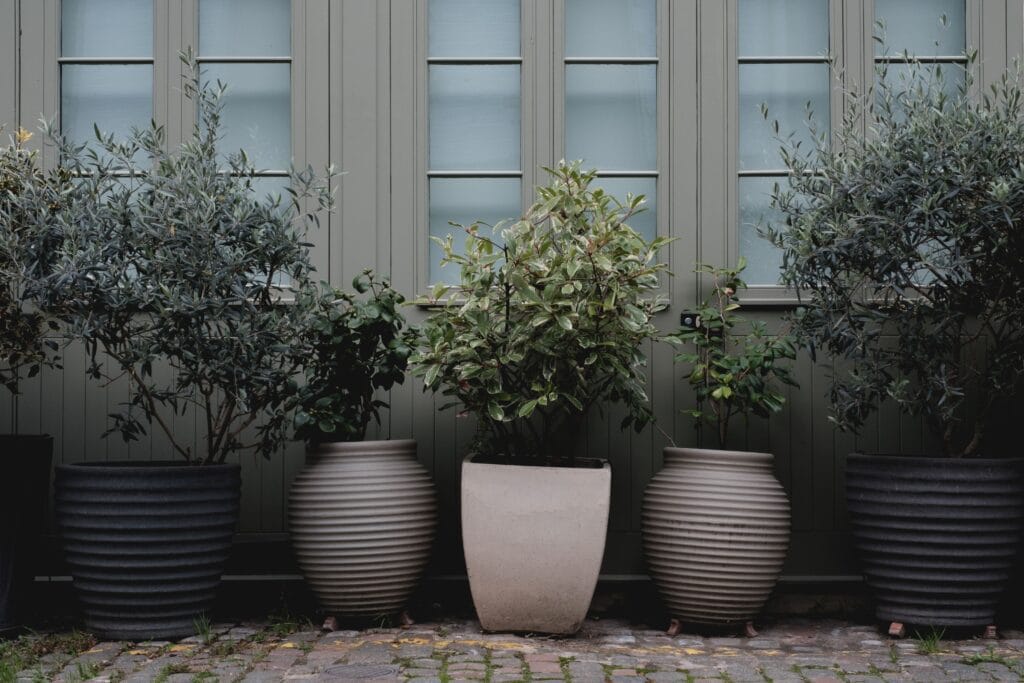
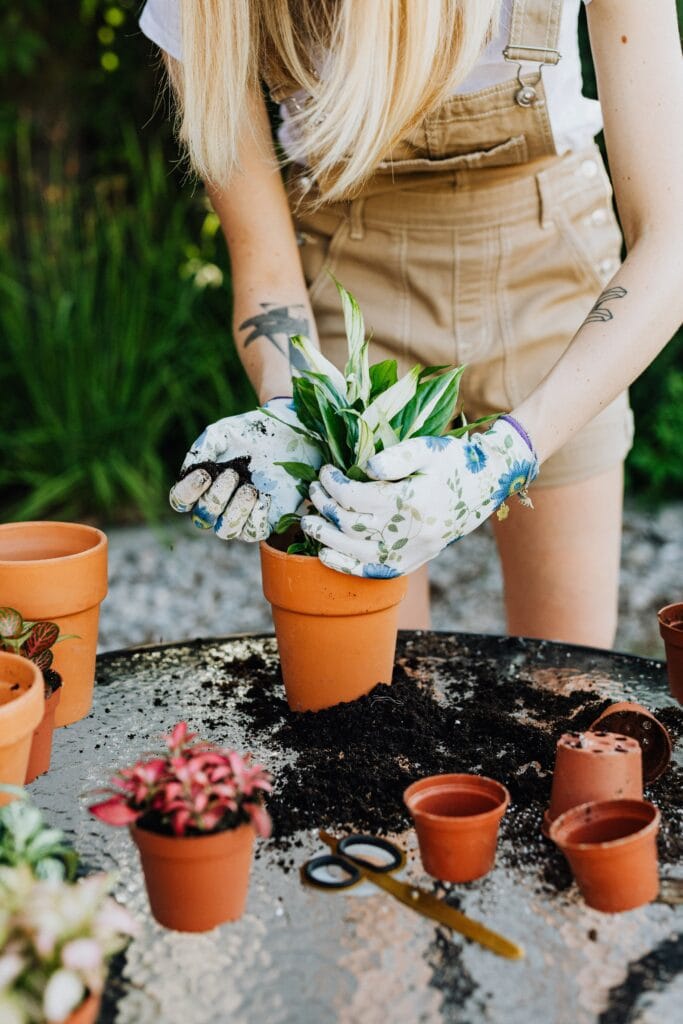
If you have limited outdoor space, containers are an excellent place to begin. Pots can be placed on patios, balconies, or along walkways, allowing you to experiment with different plants before committing to larger garden beds. They are also easy to move if sunlight conditions change.
Create Simple Garden Paths
A few stepping stones, gravel, or mulch paths help separate planting areas while making the garden easier to maintain. Defined walkways prevent soil from becoming compacted and give the entire space a cleaner appearance.
Choose Mulch Over Bare Soil
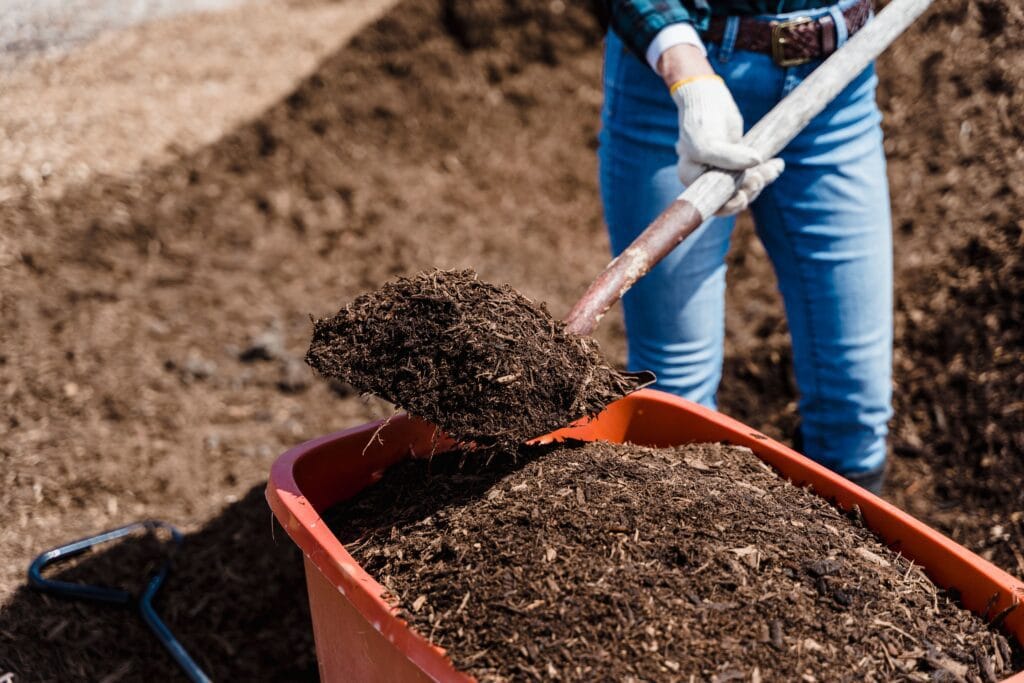
Mulch helps the garden retain moisture, reduces weeds, and gives flower beds a more finished look. Wood chips, bark mulch, or shredded leaves are all affordable options that improve both the appearance and health of your garden.
Budget Option
Buy smaller plants instead of mature ones. They cost less, adapt more easily to your garden, and often grow quickly with proper care.
Plant Flowers in Groups
Planting flowers in small clusters creates a fuller appearance than scattering individual plants throughout the garden. Grouping the same varieties together also makes the space look more organized and creates a stronger visual impact.
Add a Comfortable Place to Sit
A simple bench or chair allows you to enjoy your garden while observing how your plants grow. Having a dedicated place to sit also makes the space feel more inviting and encourages you to spend more time caring for it.
Grow Herbs You Will Actually Use
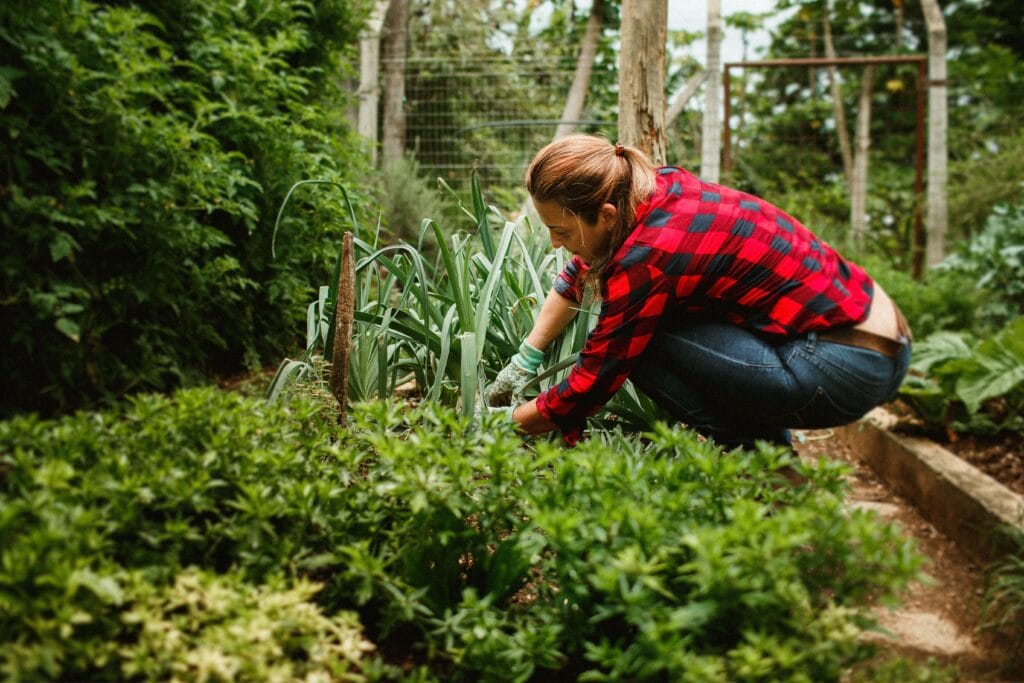
One of the most rewarding small garden ideas for beginners is growing herbs that you can use in everyday cooking. Basil, parsley, chives, mint, and thyme are all relatively easy to care for and grow well in both garden beds and containers. Harvesting fresh herbs regularly also encourages healthy new growth and gives you a practical reason to spend time in your garden.
Water the Right Way
Many beginner gardeners lose plants because they water too often or not enough. Instead of watering every day, check the soil by touching it a few inches below the surface. If it feels dry, give the plants a deep watering rather than a light sprinkle. Watering early in the morning also helps reduce evaporation and allows leaves to dry before evening.
Pro Tip
Spend a few minutes in your garden every day instead of doing all the work on weekends. Regularly checking your plants helps you spot weeds, pests, or dry soil before they become bigger problems.
Add Simple Garden Borders
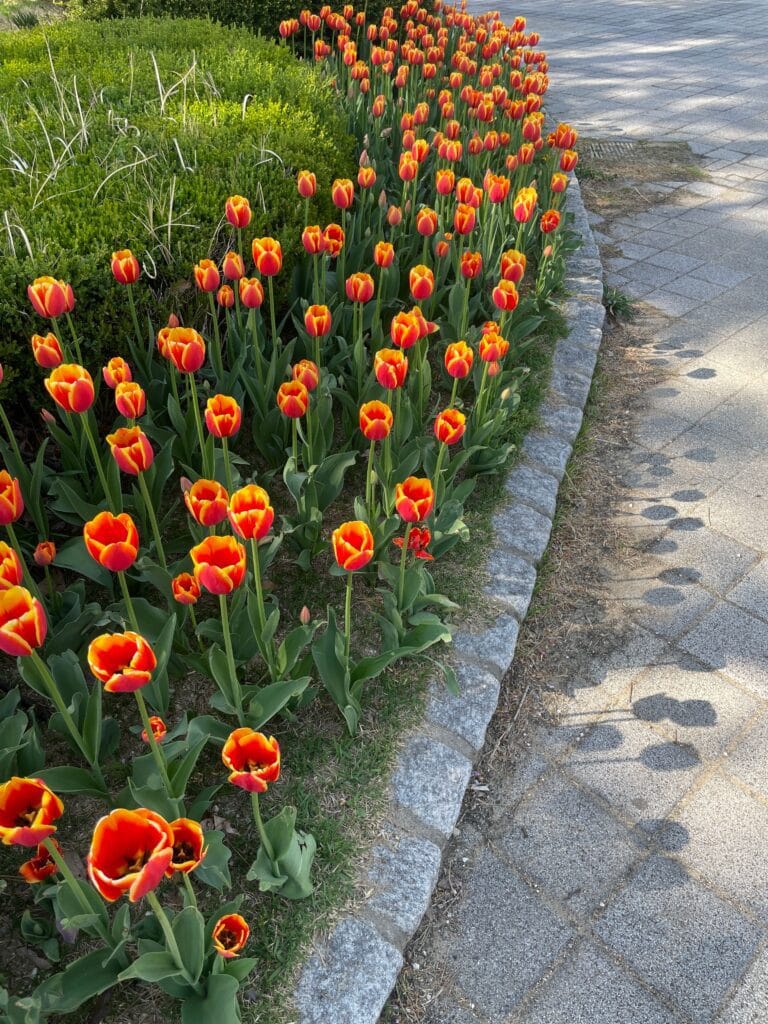
Garden borders help define planting areas and make even a small garden look more organized. Bricks, natural stones, wood edging, or inexpensive landscape edging create clean lines that separate flower beds from grass or walkways. This small improvement gives the garden a more finished appearance without requiring much effort.
Leave Room for Plants to Grow
It is easy to overcrowd a new garden because young plants look much smaller than they will later in the season. Follow the recommended spacing on each plant label so every plant has enough room to grow, receive sunlight, and circulate air properly. Giving plants enough space also reduces the risk of disease and makes maintenance easier.
Keep the Design Simple
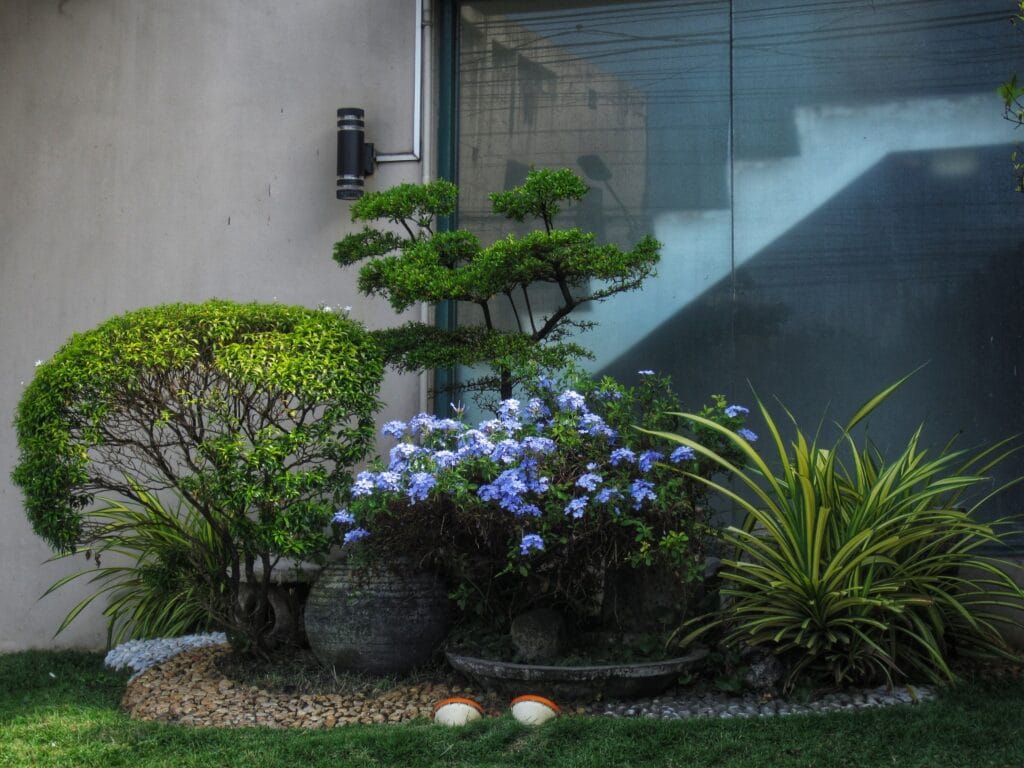
A beginner garden does not need dozens of plant varieties or complicated landscaping features. Choosing a few complementary plants and repeating them throughout the space creates a cleaner, more balanced look. A simple layout is easier to maintain and gives you the confidence to expand your garden over time.
Budget Option
Visit local plant sales, community garden events, or ask friends and neighbors if they have extra plant divisions. Many gardeners are happy to share healthy plants, helping you grow your garden without spending much money.
Frequently Asked Questions
What is the easiest garden for beginners?
A small garden with easy to grow herbs, hardy flowers, and low maintenance shrubs is one of the best choices for beginners because it requires less time and fewer gardening skills.
How do I start a small garden with no experience?
Start with one small garden bed or a few containers, choose beginner friendly plants, improve the soil, and learn how much sunlight and water each plant needs before adding more.
What are the easiest plants to grow in a small garden?
Herbs such as basil, mint, parsley, and rosemary are excellent beginner choices. Marigolds, zinnias, lavender, and succulents are also popular because they are relatively easy to maintain.
What is the biggest mistake beginner gardeners make?
Planting too much too soon is one of the most common mistakes. Starting with a small, manageable garden allows you to build experience while making maintenance much easier.
Bottom Line
The best small garden ideas for beginners focus on keeping things simple. Starting with a manageable space, choosing easy to grow plants, and creating a basic layout will help you enjoy gardening instead of feeling overwhelmed by it.
You do not need a large yard or an expensive landscape design to build a garden you love. With a little patience and regular care, even a small outdoor space can become a thriving garden that grows more rewarding every season.