Kitchen storage mistakes can make even a large kitchen feel cramped, disorganized, and difficult to use. Many people assume they need more cabinets or expensive organization products when the real issue is often how existing storage is being used. A kitchen can have plenty of storage space and still feel cluttered if items are stored inefficiently.
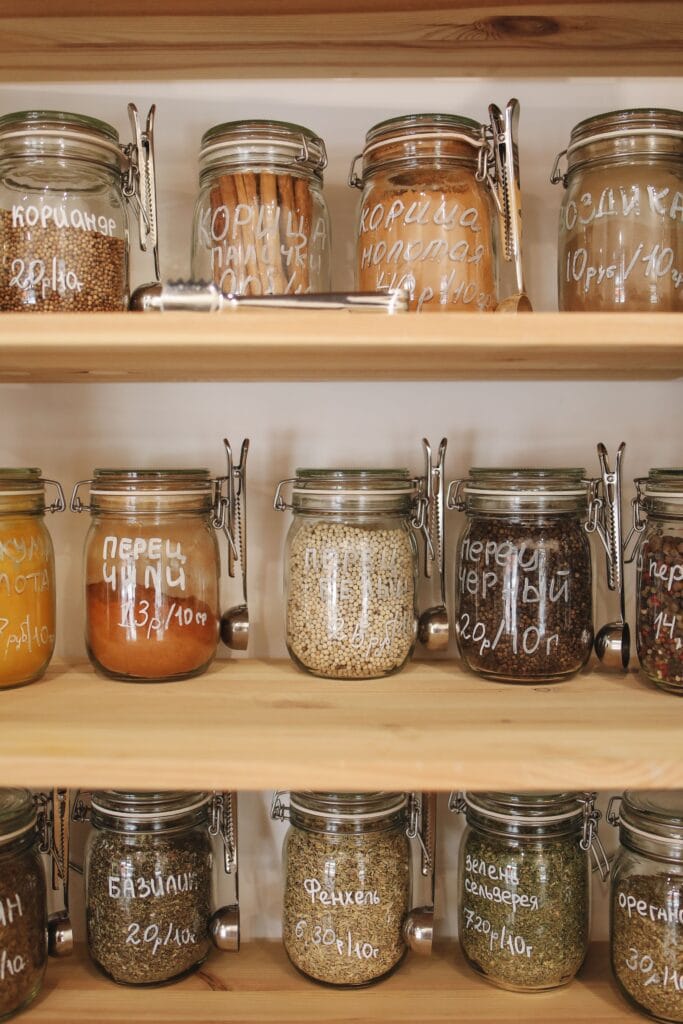
The challenge is that bad storage habits develop slowly. A few extra containers get pushed into a cabinet, a drawer becomes a dumping ground for random gadgets, and frequently used items end up buried behind things that rarely get touched. Before long, finding what you need becomes frustrating and valuable space goes to waste. Avoiding a few common mistakes can make the kitchen feel more organized without adding a single cabinet.
Storing Things Where They Are Not Used
One of the most common kitchen storage mistakes is organizing items based on available space instead of daily habits. Cooking utensils end up across the room from the stove, coffee supplies are scattered throughout multiple cabinets, and food prep tools are stored far from the area where they are actually needed. This forces unnecessary movement around the kitchen and makes everyday tasks feel less efficient.
A better approach is to create storage zones based on how you use the kitchen. Keep cooking tools near the stove, food preparation items near the main workspace, and coffee supplies together in one area. When storage supports your routine, the kitchen becomes easier to navigate and maintain.
Overfilling Cabinets
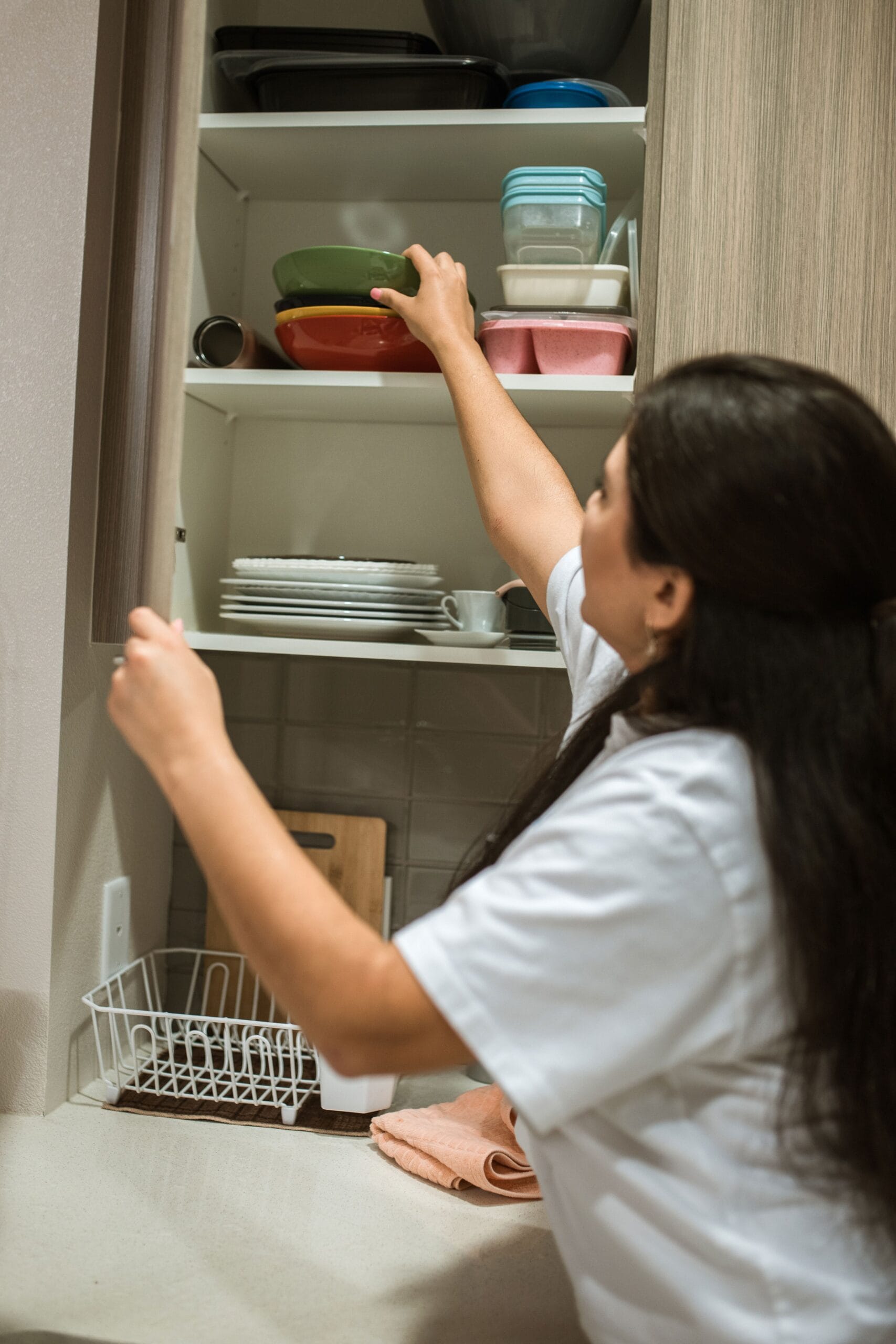
Many homeowners treat every inch of cabinet space as storage space, but cramming cabinets full often creates more problems than it solves. When shelves are packed tightly, it becomes difficult to see what you own, items get forgotten in the back, and retrieving one thing often requires moving several others first.
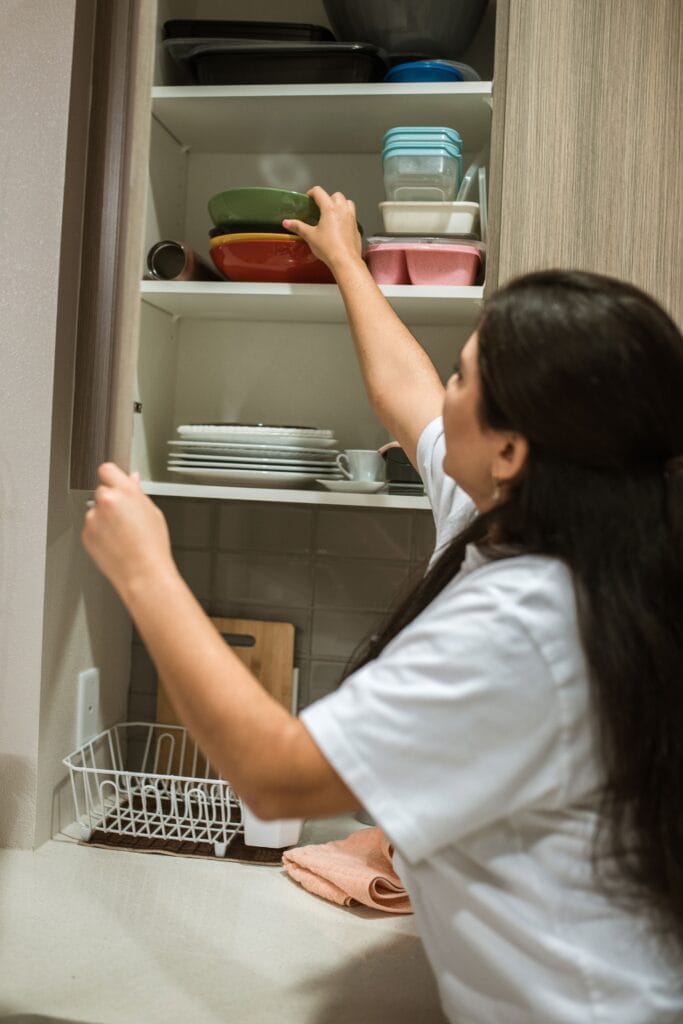
Leaving some breathing room inside cabinets improves accessibility and helps prevent duplicate purchases. You are more likely to use what you already have when everything is visible and easy to reach. A slightly emptier cabinet is often more functional than one packed to capacity.
Pro Tip
If items regularly fall out when you open a cabinet door, it is usually a sign that the storage area is holding more than it comfortably should.
Ignoring Vertical Space
Many kitchens have unused space above shelves, inside cabinet doors, and along walls. When vertical storage opportunities are ignored, valuable storage potential goes to waste. This often leads to crowded countertops and overflowing cabinets even though additional space is available.
Shelf risers, stackable organizers, wall mounted racks, and hooks can help maximize storage without taking up more floor space. Using vertical space effectively is especially important in smaller kitchens where every inch matters. Looking upward often reveals storage opportunities that are easy to overlook.
Keeping Too Many Duplicate Items
Duplicate kitchen items can quietly consume a surprising amount of storage. Extra water bottles, multiple sets of measuring cups, stacks of reusable containers without matching lids, and duplicate utensils often take up space while rarely being used.
Keeping a reasonable backup is practical, but excessive duplicates create unnecessary clutter. Reviewing kitchen items occasionally helps identify what is actually needed and what is simply occupying valuable storage space. Less crowded storage areas are easier to organize and maintain over time.
Using Countertops as Permanent Storage
Countertops should primarily be workspaces, yet many kitchens use them as overflow storage. Small appliances, snack baskets, paper towels, vitamins, cooking supplies, and miscellaneous household items often remain on display because cabinet space feels limited. The result is a kitchen that appears cluttered and offers less room for food preparation.
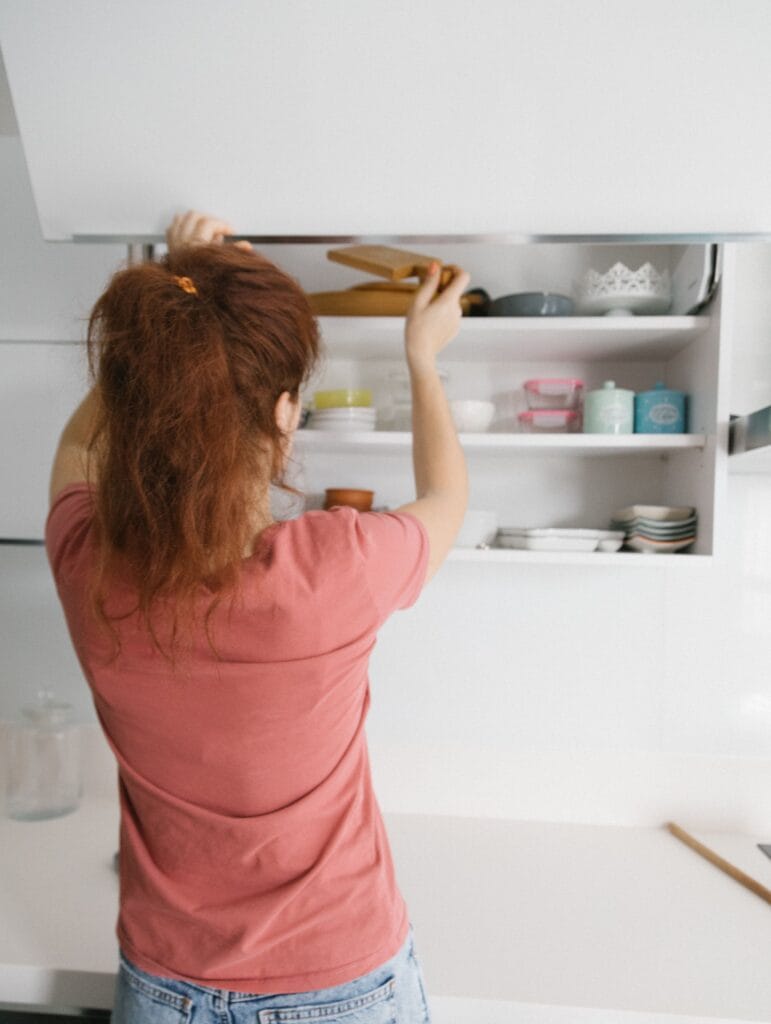
Removing nonessential items from countertops immediately improves both function and appearance. Even clearing a small section of counter space can make the kitchen feel larger and more organized. Open workspace is one of the most valuable forms of kitchen storage because it supports daily tasks.
Buying Organizers Before Decluttering
Storage products are useful, but they are often purchased before the real problem is addressed. Many people buy bins, baskets, dividers, and containers without first deciding what should stay and what should go. Organizing clutter simply creates organized clutter.
Decluttering should always come before purchasing storage solutions. Once unnecessary items have been removed, it becomes much easier to see what type of organization system is actually needed. This approach also prevents spending money on products that may not solve the problem.
Budget Option
Reuse containers, baskets, and trays you already own before purchasing new organizers. Many storage challenges can be solved using items already available around the house.
Forgetting About Deep Cabinets
Deep cabinets often seem like a storage advantage, but they can become frustrating when items disappear into the back and are forgotten. This leads to wasted food, duplicate purchases, and overcrowded shelves because nobody remembers what is already stored there.
Pull out bins, clear containers, and simple baskets can help make deep storage areas more accessible. Bringing items forward improves visibility and reduces the chances of useful products getting lost behind newer purchases. The easier it is to see something, the more likely it is to be used.
Storing Rarely Used Items in Prime Locations
Frequently used kitchen items should occupy the easiest to reach storage areas. Unfortunately, many kitchens do the opposite. Holiday serving dishes, specialty appliances, and rarely used cookware often end up in the most accessible cabinets while everyday essentials get pushed into less convenient locations.
Prime storage space should be reserved for items used weekly or daily. Moving occasional use items to higher shelves or less convenient cabinets helps improve the overall flow of the kitchen. Storage becomes more efficient when accessibility matches frequency of use.
Keeping Junk Drawers Under Control
Almost every kitchen has a junk drawer, but problems arise when multiple drawers begin serving the same purpose. Random batteries, takeout menus, pens, rubber bands, instruction manuals, and miscellaneous household items can quickly spread into valuable kitchen storage space.
Having one designated drawer for miscellaneous items is reasonable. Allowing clutter to spread throughout several drawers is where organization begins to break down. Periodically reviewing these spaces helps prevent them from becoming unmanageable.
You can also read our guide on kitchen counter organization by zone if you want to create a kitchen layout that supports both storage and daily efficiency.
Frequently Asked Questions
What is the biggest kitchen storage mistake?
Using storage without considering daily habits is one of the biggest mistakes. Items should be stored near where they are actually used.
Why do my kitchen cabinets always feel full?
Cabinets often feel full because of duplicate items, unused gadgets, overcrowded shelves, and poor organization systems that waste available space.
Should kitchen counters be used for storage?
Only for items that are used frequently. Keeping too many items on the counter reduces workspace and creates visual clutter.
How often should I declutter kitchen storage?
Most kitchens benefit from a quick storage review every few months. Regular decluttering prevents cabinets and drawers from becoming overcrowded.
Bottom Line
Kitchen storage mistakes often have less to do with space and more to do with habits. Overfilled cabinets, crowded countertops, poor item placement, and unnecessary duplicates can make the kitchen feel much less functional than it should be.
Creating a more organized kitchen starts with using storage intentionally. When frequently used items are easy to reach, cabinets have room to breathe, and clutter is kept under control, the entire space becomes easier to cook in, clean, and enjoy every day.